
As production volume increases, liquid storage stops being a simple packaging task. Space utilization, transport efficiency, handling speed, and operational safety all begin to matter at the same time.
This is where many operations encounter hidden inefficiencies.
Traditional drum systems require more labor. More warehouse space is consumed. Transport loading becomes less efficient. Even routine movement inside the facility takes longer than expected.
For chemical manufacturers, coolant suppliers, and industrial distributors, these small inefficiencies compound quickly.
A professional 1000L IBC container supplier provides more than larger containers. The goal is to create a storage and transport system that improves efficiency while maintaining safety and chemical compatibility.
Why 1000L IBC Containers Are Widely Used
Intermediate Bulk Containers (IBCs) have become standard in industrial liquid logistics because they balance high capacity with manageable handling.
Compared with multiple smaller drums, a single 1000L IBC offers:
- Better palletized transport efficiency
- Reduced handling frequency
- Lower packaging cost per liter
- Improved warehouse organization
A reliable 1000L IBC container supplier ensures that these advantages are supported by durable structure and consistent manufacturing quality.
Structural Design: Balancing Strength and Transport Stability
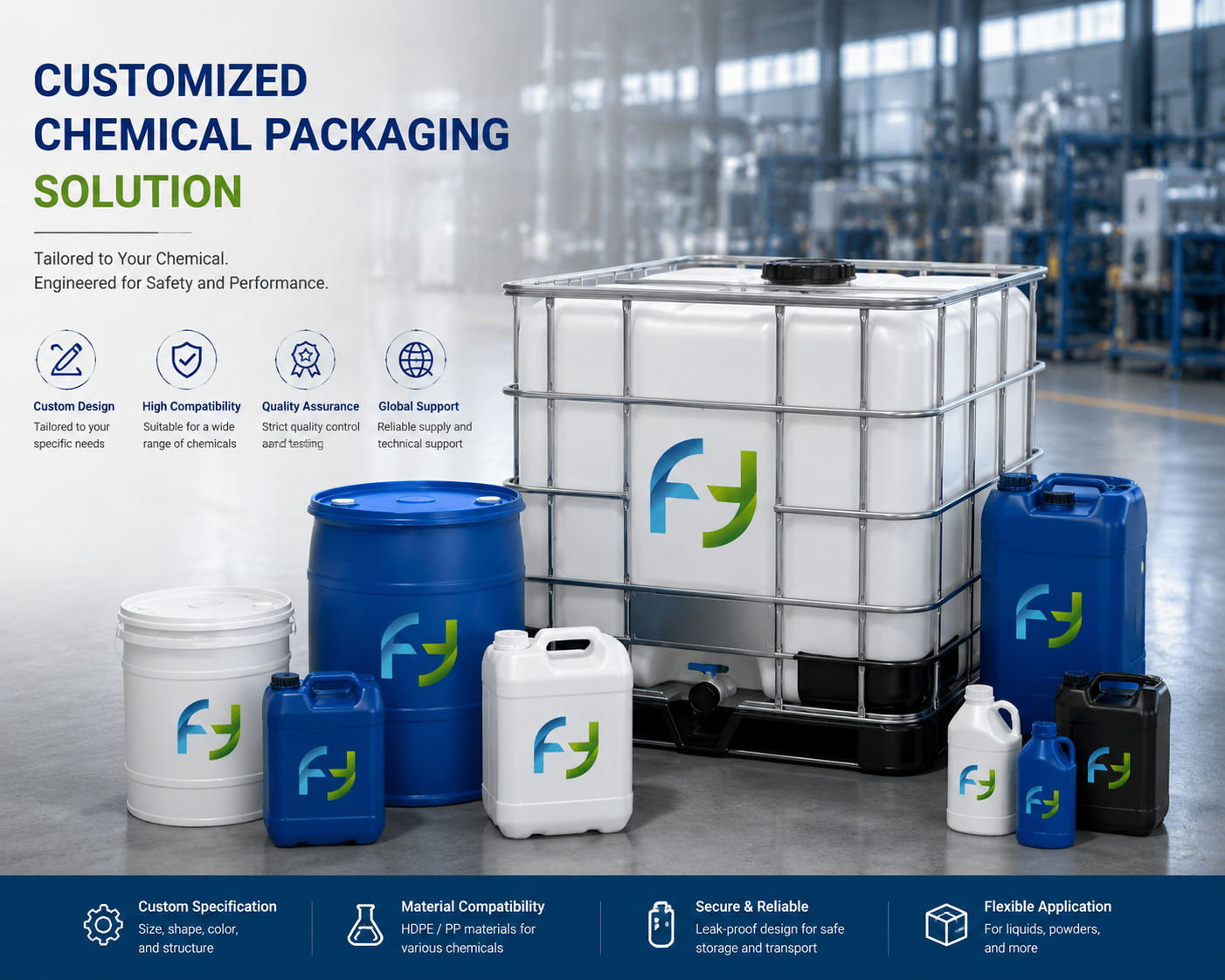
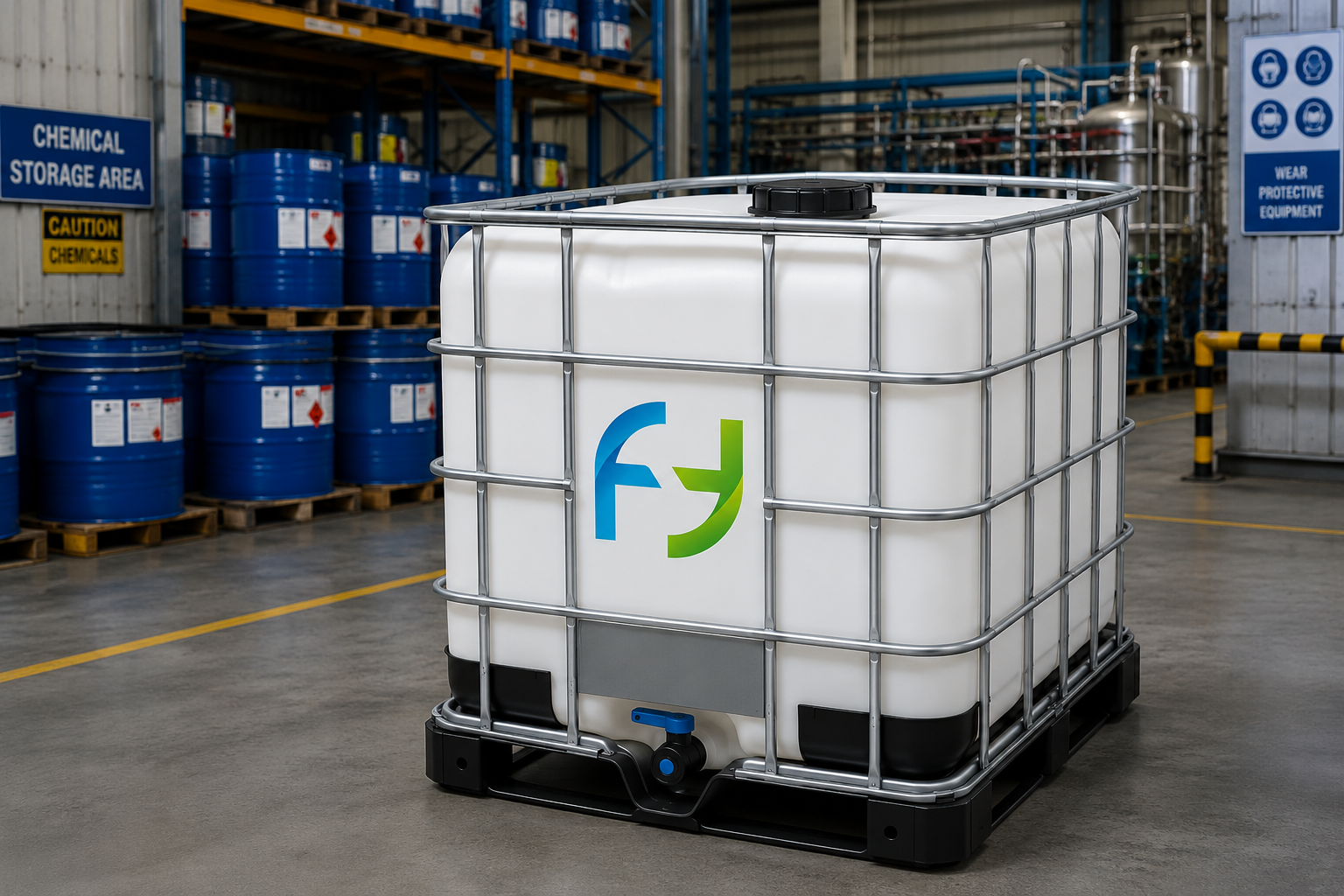
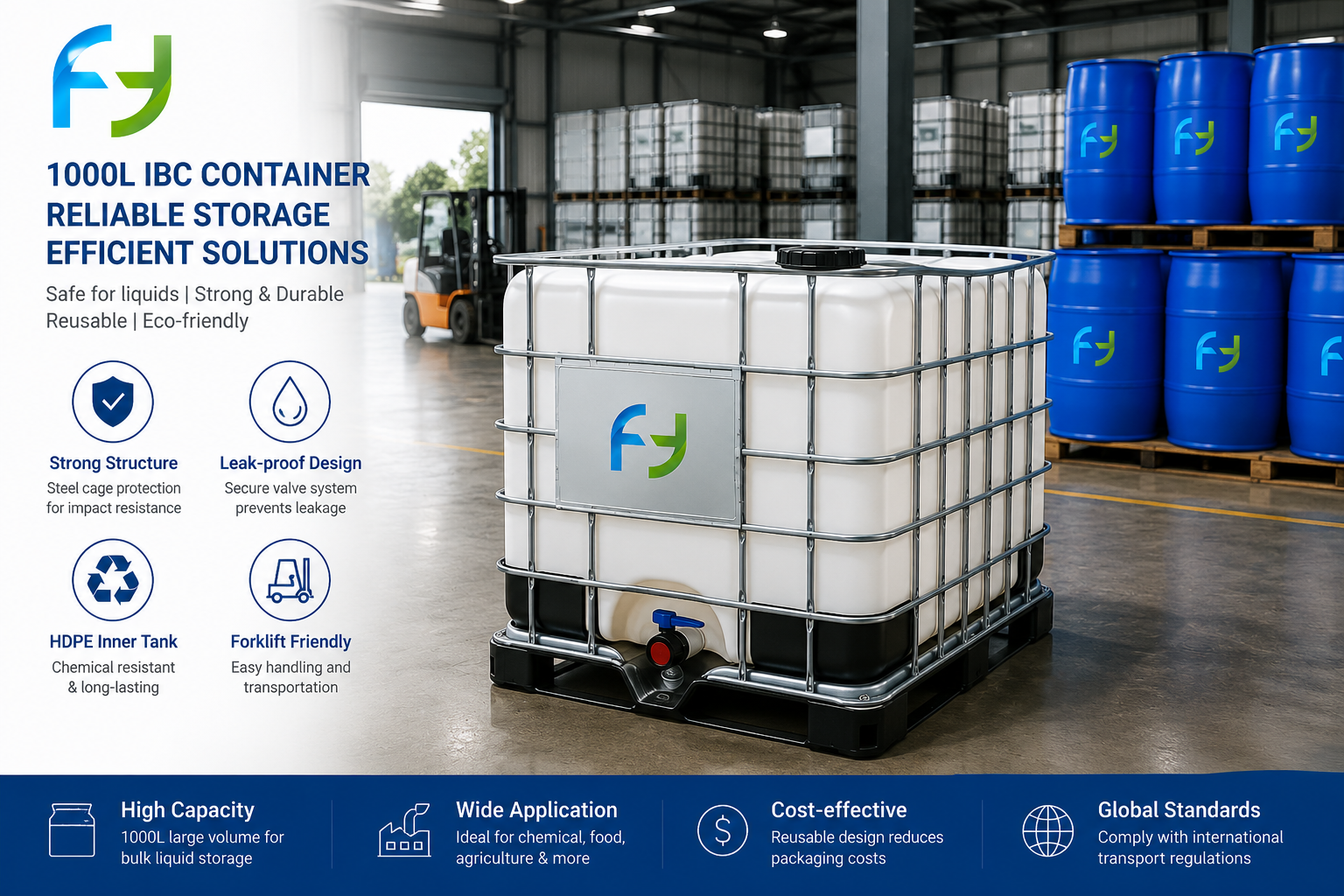
A typical IBC system combines several structural elements:
- Inner HDPE tank for chemical resistance
- External galvanized steel cage for impact protection
- Reinforced pallet base for forklift handling
Each part plays a role in maintaining stability during transport and storage.
A properly engineered container from an experienced 1000L IBC container supplier distributes pressure evenly, reducing the risk of deformation, leakage, or structural instability.
Performance Comparison: IBC Container vs Standard Drum System
| Performance Parameter | 200L Drum System | 1000L IBC Container |
|---|---|---|
| Storage capacity per unit | 200 liters | 1000 liters |
| Space utilization | Moderate | +40–60% improved |
| Handling efficiency | Manual / forklift | Forklift optimized |
| Packaging cost per liter | Higher | Lower (-20–30%) |
| Loading efficiency | Lower | Higher |
| Reusability | Moderate | Multiple cycles |
For high-volume operations, these differences significantly affect logistics efficiency and operational cost.
Material Advantages: Why HDPE Is Commonly Used
The inner tank of an IBC container is usually made from high-density polyethylene (HDPE).
HDPE provides:
- Broad chemical resistance
- Impact durability
- Flexibility without cracking
- Stable performance under temperature variation
However, performance depends heavily on material consistency and molding quality.
A high-quality container from a dependable 1000L IBC container supplier maintains stable wall thickness and long-term durability across production batches.
Application Scenarios Across Industries
1000L IBC containers are widely used in:
- Chemical manufacturing
- Coolant and lubricant storage
- Water treatment solutions
- Industrial cleaning chemicals
- Export liquid logistics
Each application introduces different handling and compatibility requirements.
B2B Considerations: What Industrial Buyers Evaluate
Industrial buyers usually focus on long-term operational reliability rather than appearance alone.
Key evaluation points include:
- Cage weld consistency
- HDPE tank quality
- Valve sealing performance
- Compliance with transport regulations
- Supplier production stability
A dependable 1000L IBC container supplier provides not only containers, but also technical support and documentation.
Common Operational Problems Caused by Low-Quality Containers
Storage and transport issues often begin gradually:
- Slight tank bulging after filling
- Leakage around outlet valves
- Reduced stacking stability
- Steel cage deformation during handling
These issues usually indicate weaknesses in structural design or manufacturing consistency.
Frequently Asked Questions
Q: What liquids can be stored in a 1000L IBC container?
Compatibility depends on chemical composition and concentration.
Q: Are IBC containers reusable?
Yes, many are designed for repeated industrial use cycles.
Q: Can IBC tanks be used for export transport?
Yes, when compliant with required transport regulations.
Efficient Bulk Storage Starts with the Right Container System
Large-volume liquid handling requires more than increased capacity. It requires packaging systems designed for transport efficiency, durability, and operational stability.
Explore IBC Packaging Solutions
You can explore FYeco’s industrial packaging products here:
https://www.fyecosolution.com/products
Discuss Your Storage Requirements
For custom IBC specifications or chemical compatibility guidance, contact FYeco here:
https://www.fyecosolution.com/contact-us