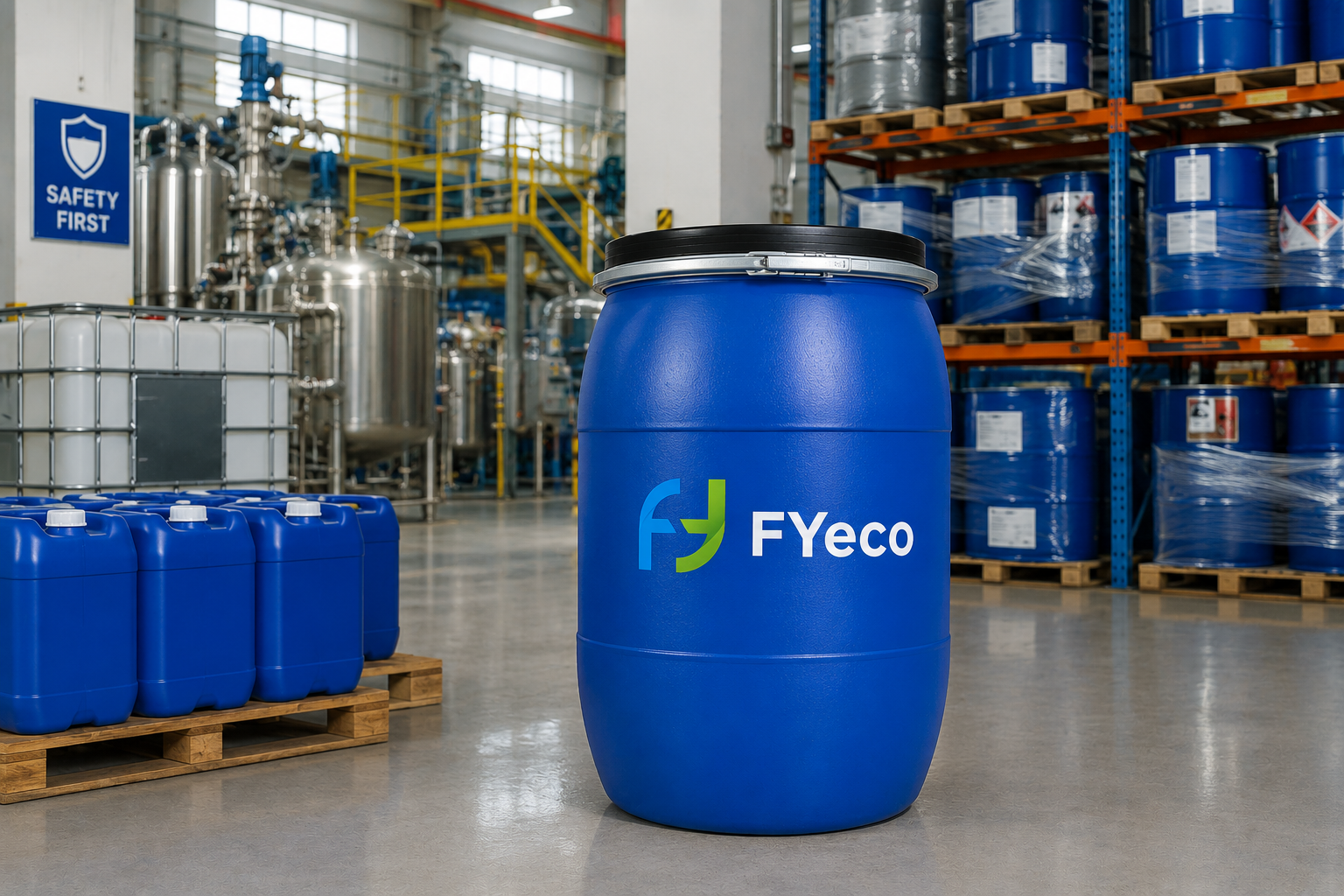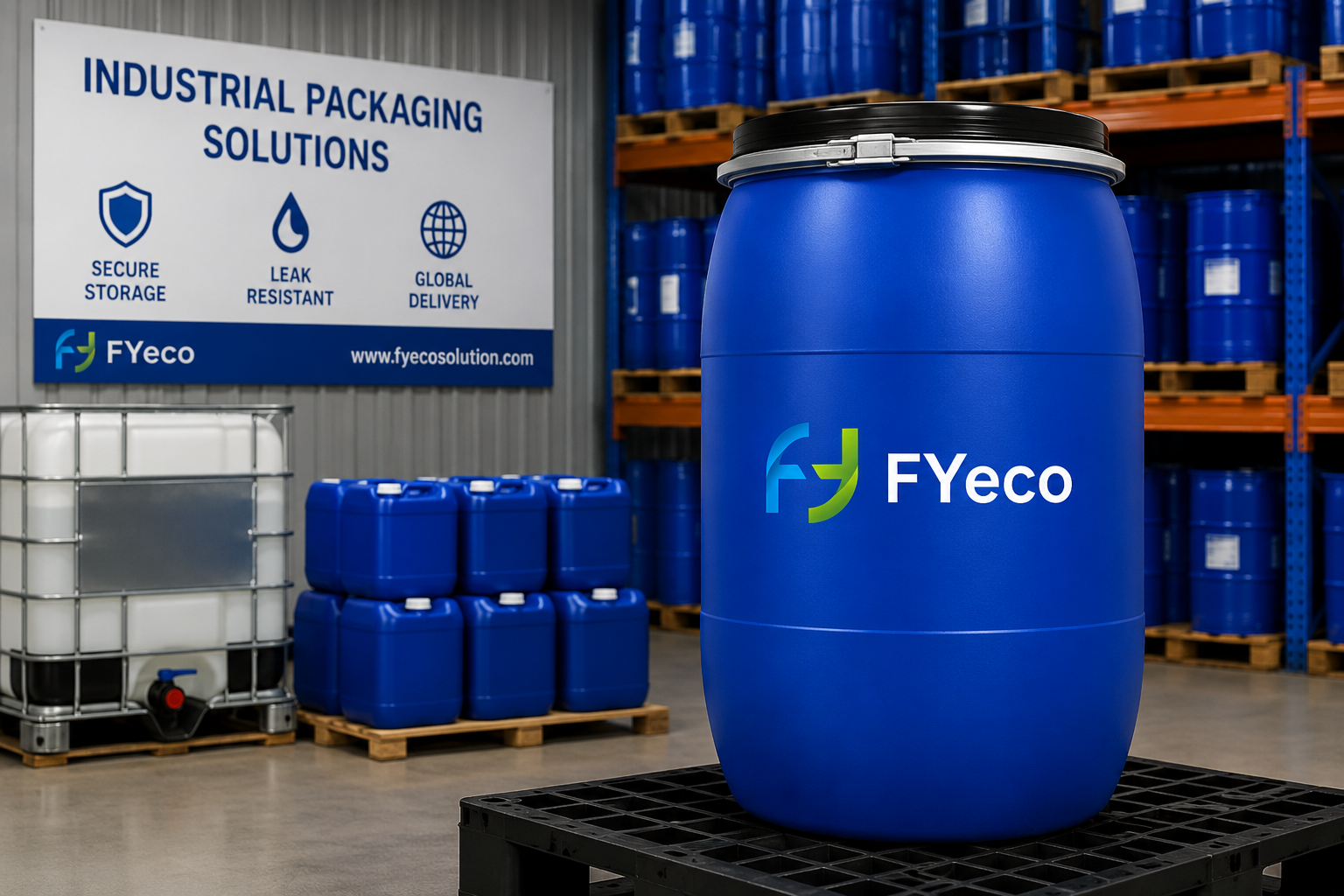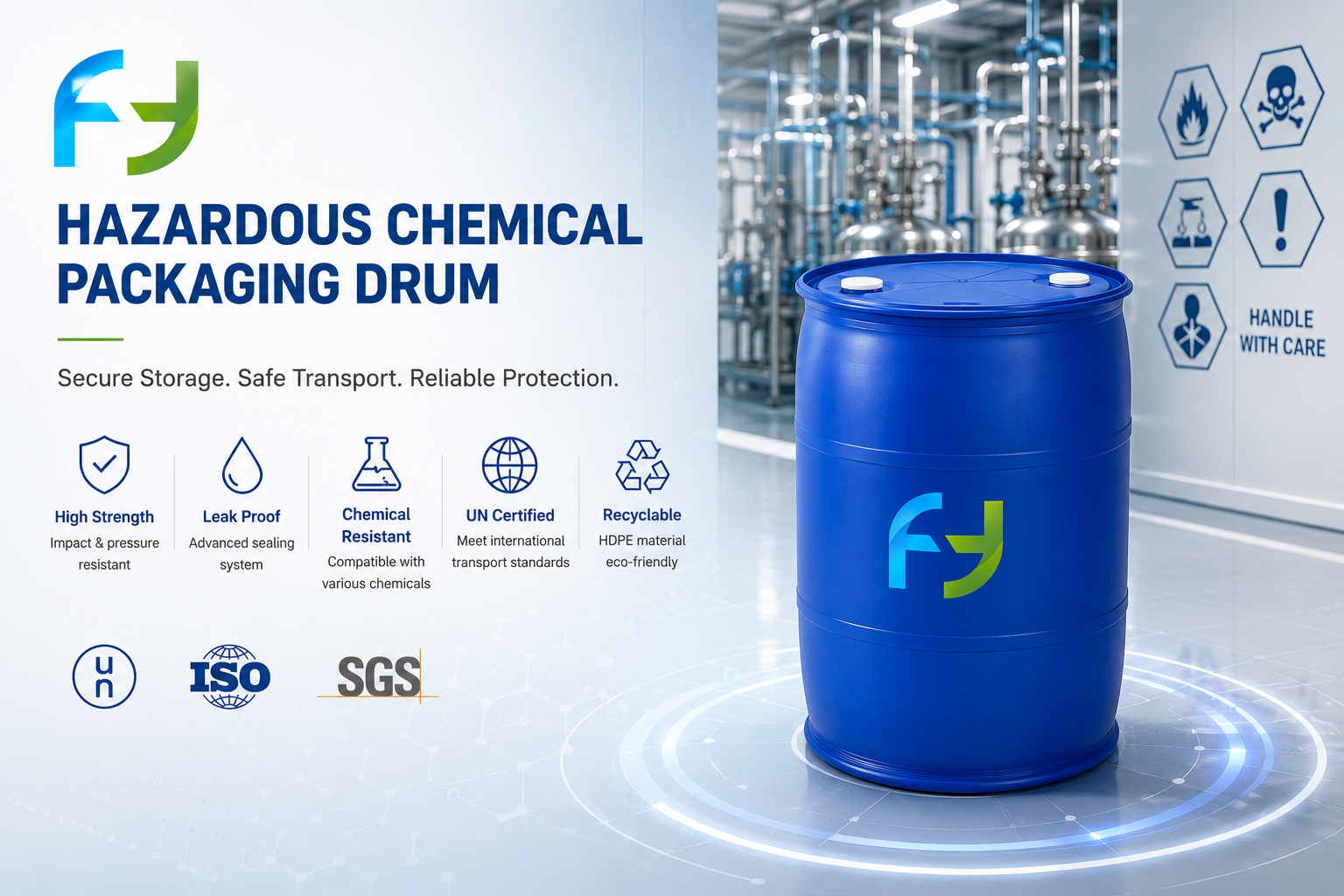

A plastic barrel may look simple from the outside, but in industrial liquid packaging, small weaknesses can quickly become expensive problems. A slightly uneven wall, an unstable lid, or poor sealing around the opening may not be obvious during filling. The issue often appears later—during pallet stacking, forklift handling, sea freight, or long-term warehouse storage.
For chemical producers, coolant suppliers, lubricant brands, and industrial distributors, packaging failure means more than product loss. It can affect shipment schedules, customer trust, export compliance, and warehouse safety. That is why choosing a plastic barrel manufacturer is not only a purchasing decision; it is part of product risk control.
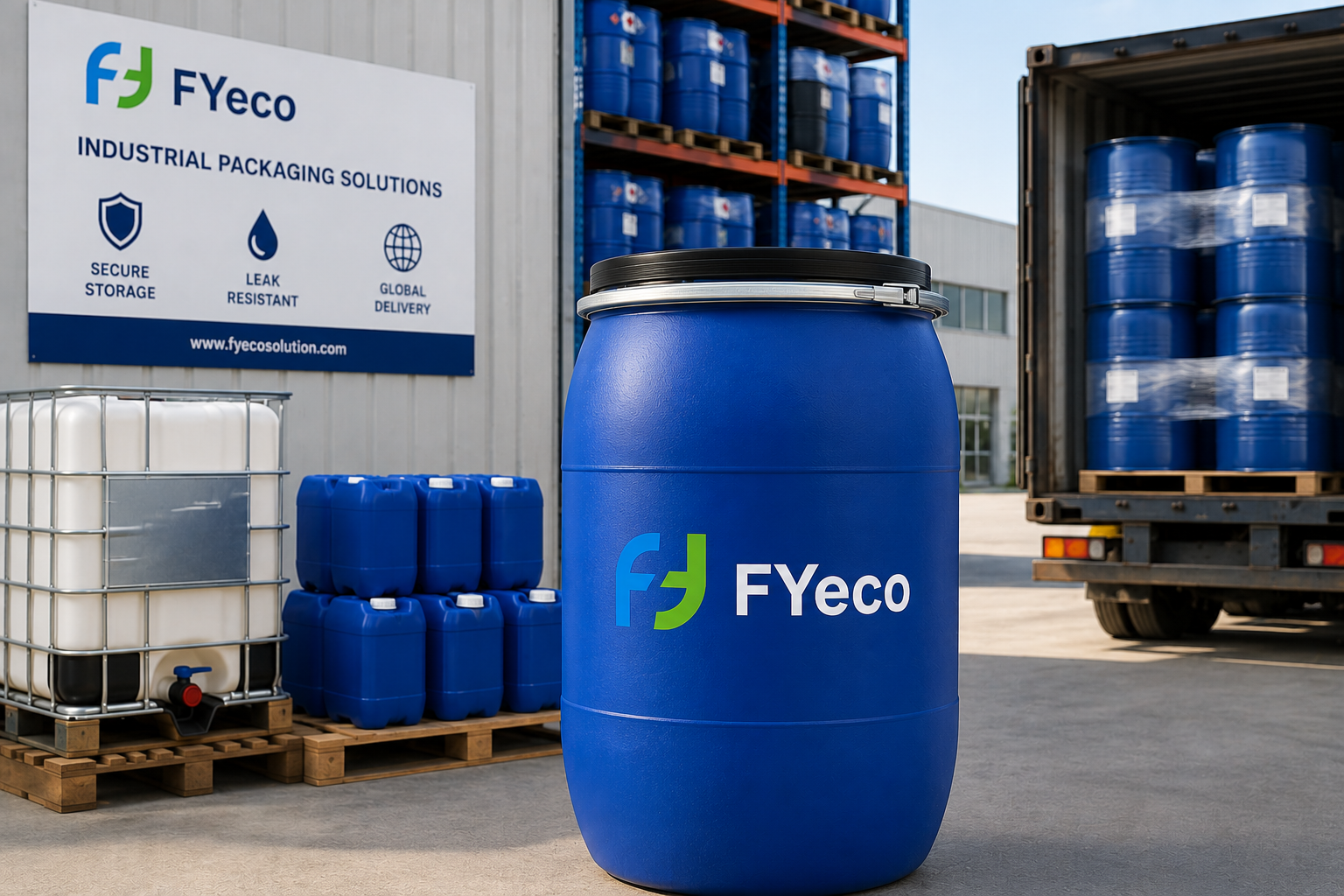
FYeco focuses on industrial packaging solutions designed around real handling conditions. Through HDPE material selection, molding consistency, sealing control, and application-based packaging support, the goal is to help customers reduce leakage risk and improve long-term storage reliability.
Why HDPE Is Widely Used in Plastic Barrel Manufacturing
Most industrial plastic barrels are made from HDPE because the material offers a strong balance between chemical resistance and mechanical durability. It can handle many coolants, additives, water-based chemicals, cleaning liquids, and industrial fluids without becoming brittle under normal operating conditions.
A professional plastic barrel manufacturer controls more than just the raw material. Resin grade, molding temperature, cooling speed, and wall-thickness distribution all influence final performance. If these factors are unstable, the barrel may deform under pressure or weaken during repeated handling.
Key HDPE advantages include:
- Strong resistance to many industrial liquids
- Good impact strength during transport
- Lightweight handling compared with metal drums
- Stable performance under temperature fluctuation
- Recyclable structure for sustainable packaging needs
For B2B buyers, this means better compatibility across production, warehousing, and export logistics.
Structural Design Determines Real Storage Performance
A barrel’s durability does not depend on thickness alone. Structure matters.
Reinforced ribs, stable base geometry, secure lid design, and consistent molding all help distribute pressure during stacking and transport. Without these structural details, even a barrel made from good material may fail under real warehouse conditions.
A reliable plastic barrel manufacturer usually evaluates several design points:
| Design Factor | Why It Matters |
|---|---|
| Uniform wall thickness | Reduces weak stress points |
| Reinforced barrel body | Improves stacking stability |
| Strong base design | Supports pallet storage |
| Secure lid or closure | Helps prevent leakage |
| Smooth internal surface | Reduces contamination risk |
These details are especially important for liquid chemicals, antifreeze products, and export packaging, where containers may remain loaded for weeks during shipping.
Performance Comparison: Standard Barrel vs Industrial-Grade Barrel
| Performance Parameter | Standard Plastic Barrel | Industrial-Grade Plastic Barrel |
|---|---|---|
| Impact resistance | Basic | +40–60% improved |
| Stack load capacity | 2–3 layers | 4–6 layers |
| Leakage risk during transport | 3–5% | <1–2% |
| Chemical resistance | General | Broad industrial compatibility |
| Export transport stability | Moderate | High |
| Typical service life | 1–2 years | 3–5 years |
The difference may not be obvious when the barrel is empty. It becomes clear when it is filled, moved, stacked, and shipped.
How Different Applications Affect Barrel Selection
Different liquids create different packaging demands. Coolant and antifreeze products require clean sealing and stable HDPE compatibility. Cleaning chemicals may need stronger resistance against alkaline or acidic ingredients. Export liquids require better stacking performance and transport durability.
This is why buyers should not select barrels only by size. A qualified plastic barrel manufacturer should help match packaging specifications to the product’s actual use condition.
Common application scenarios include:
- Automotive coolant and antifreeze packaging
- Industrial chemical storage
- Water-based product packaging
- Cleaning liquid transport
- Lubricant and additive storage
- Export liquid logistics
If the barrel is used for sea freight, pallet stacking and lid sealing become especially important. If it is used for long-term storage, chemical compatibility and deformation resistance should be prioritized.
What B2B Buyers Should Check Before Choosing a Supplier
Industrial buyers usually care about price, but experienced buyers look deeper. Packaging cost is only one part of the total risk. A cheap barrel that leaks during transport can cost far more than the price difference saved during procurement.
When evaluating a plastic barrel manufacturer, buyers should check:
- Whether HDPE material quality is consistent
- Whether barrel size and structure match the filling product
- Whether production batches remain stable
- Whether the supplier supports export packaging needs
- Whether technical support is available for compatibility questions
You can learn more about FYeco’s company background and industrial packaging capabilities through the About Us page:
https://fyecosolution.com/about-us
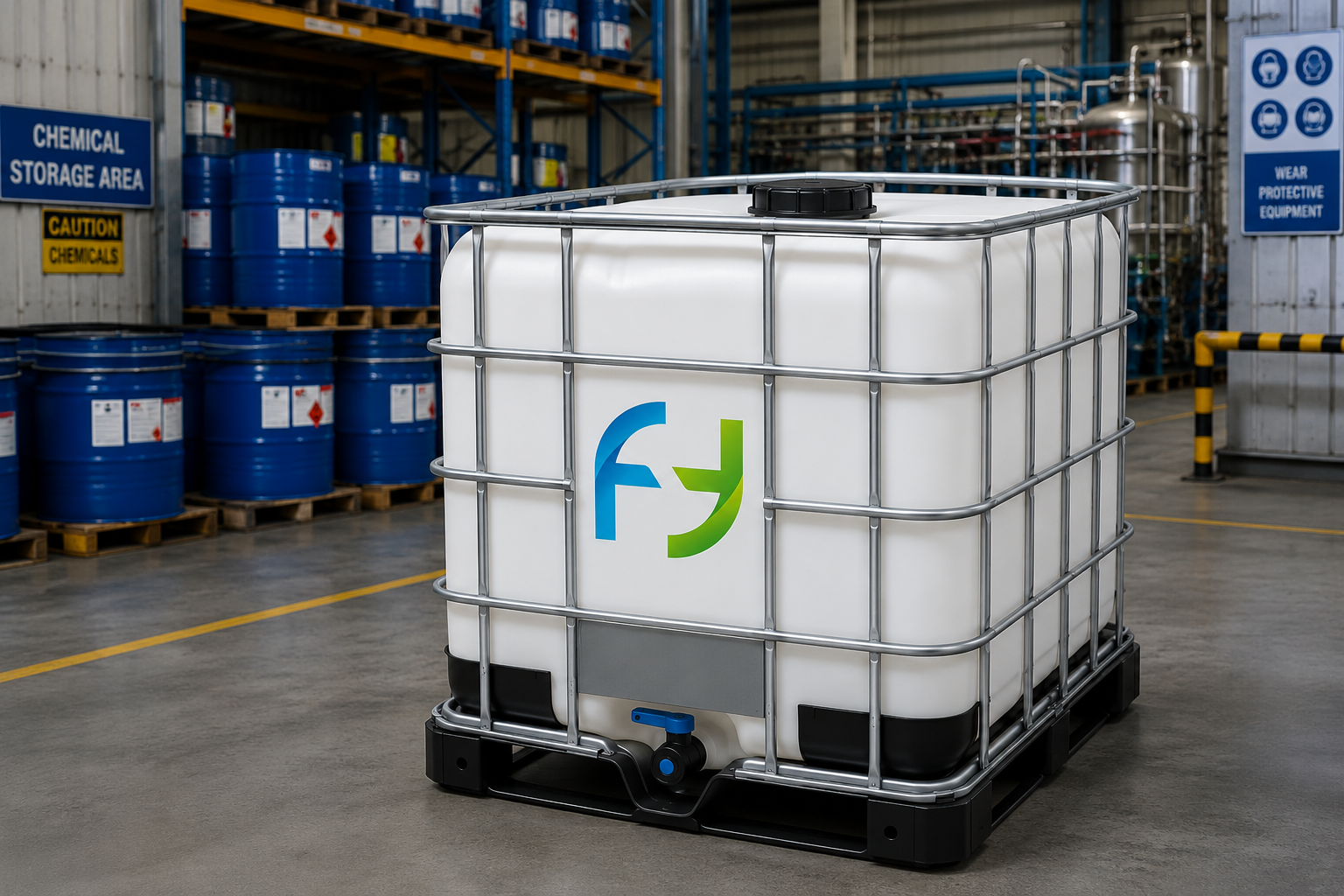
For available packaging products, drum types, and IBC container options, visit the product page:
https://fyecosolution.com/products
Common Problems Caused by Low-Quality Plastic Barrels
Poor-quality barrels usually fail gradually, not suddenly. Operators may notice small signs first: slight bulging, loose lids, surface scratches, or unstable pallet stacking.
Typical issues include:
- Leakage around caps or lids
- Barrel deformation after filling
- Weak stacking performance
- Cracking under temperature change
- Poor consistency between batches
These problems often point to unstable molding, weak closure design, or unsuitable material selection.
For common packaging questions, product compatibility, and storage guidance, you can also refer to FYeco’s FAQ page:
https://www.fyecosolution.com/faqs
Frequently Asked Questions
Q: Can plastic barrels be used for chemical liquids?
Yes. HDPE plastic barrels are widely used for many industrial liquids, but chemical compatibility should always be confirmed before bulk use.
Q: What size plastic barrels are commonly used?
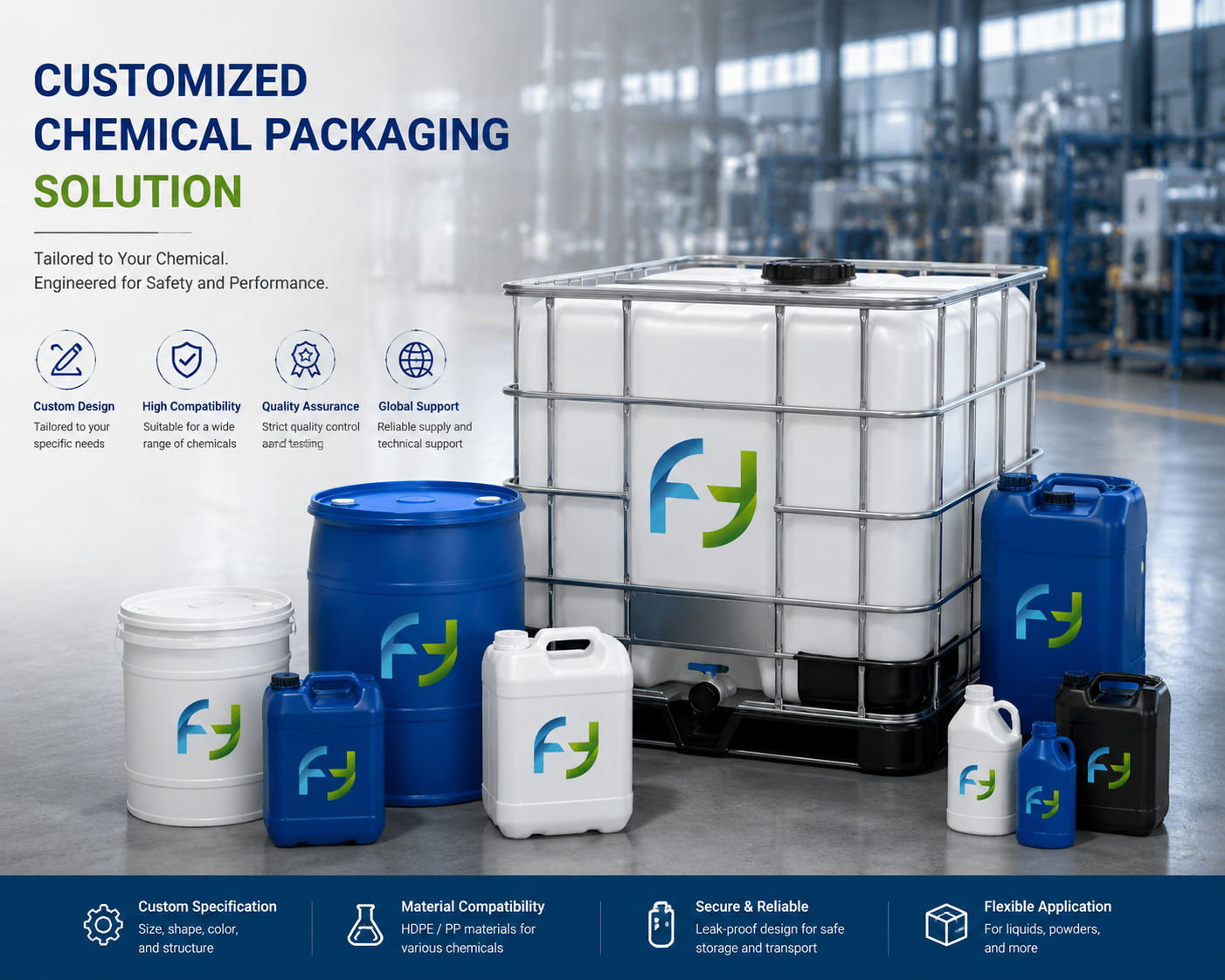
Common sizes include small jerry cans, medium pails, 200L barrels, and IBC containers depending on storage and transport needs.
Q: Are plastic barrels suitable for export transport?
Yes, when the barrel structure, sealing system, and pallet loading design are suitable for long-distance logistics.
Choosing the Right Plastic Barrel Manufacturer Reduces Long-Term Risk
Industrial packaging is not only about holding liquid. It must protect the product through filling, storage, handling, export transport, and final delivery. A reliable plastic barrel manufacturer helps customers reduce leakage risk, improve warehouse efficiency, and maintain consistent packaging quality.
Explore Industrial Packaging Products
If you are sourcing HDPE barrels, chemical drums, or IBC containers for liquid packaging, you can review FYeco’s product range here:
https://fyecosolution.com/products
Discuss Custom Packaging Requirements
For liquid compatibility, export packaging, stackable design, or custom barrel specifications, you can contact FYeco’s team here:
https://fyecosolution.com/contact-us