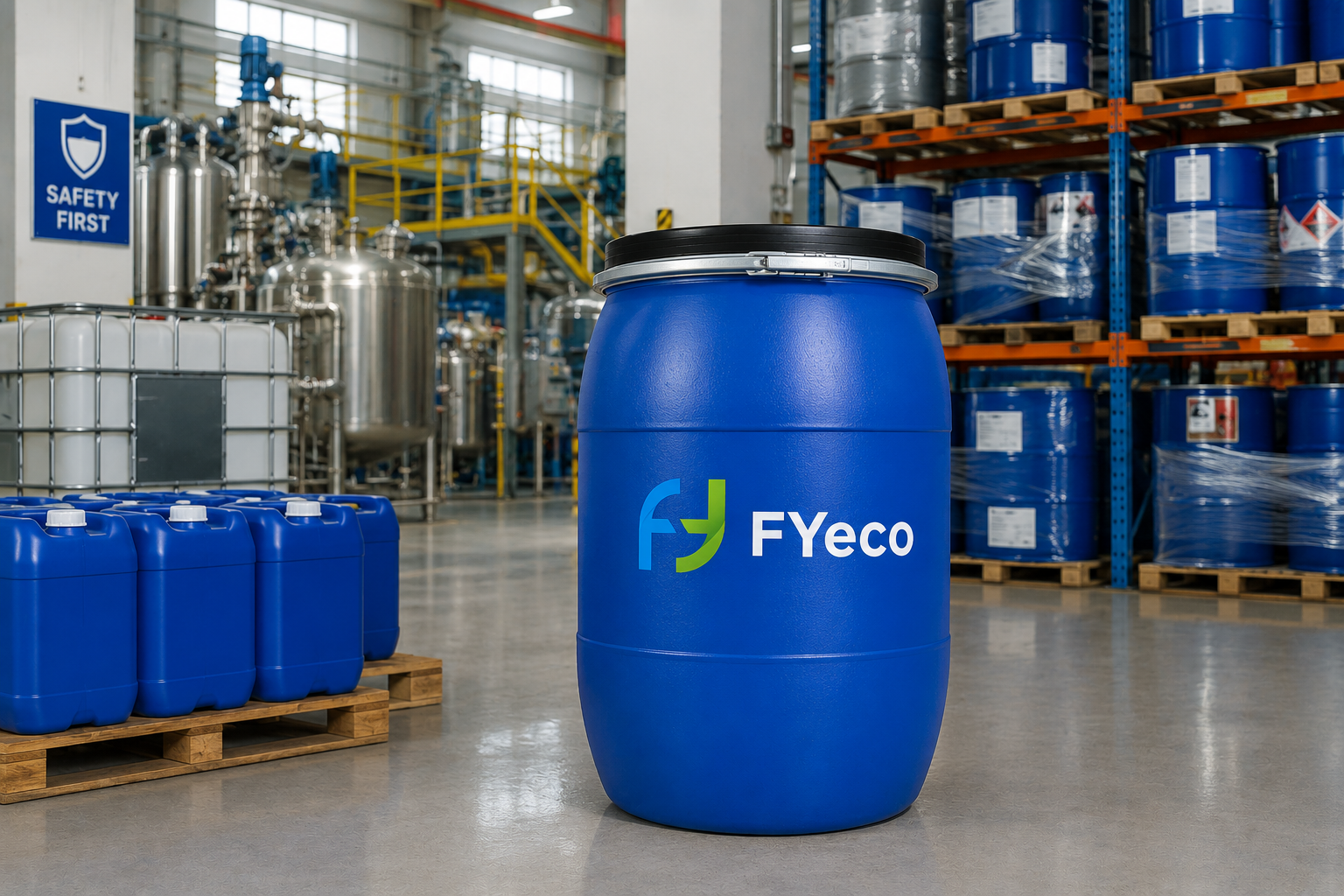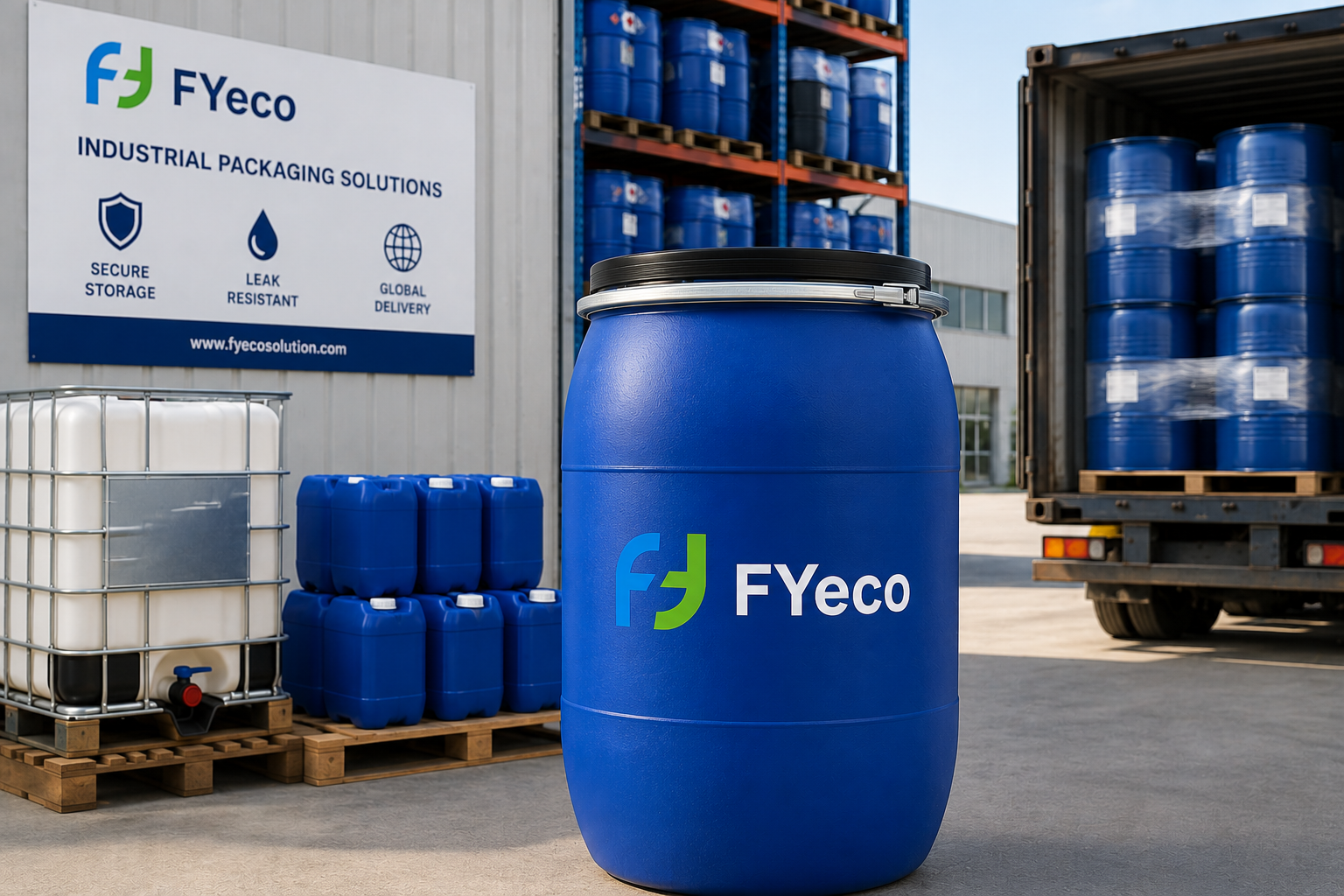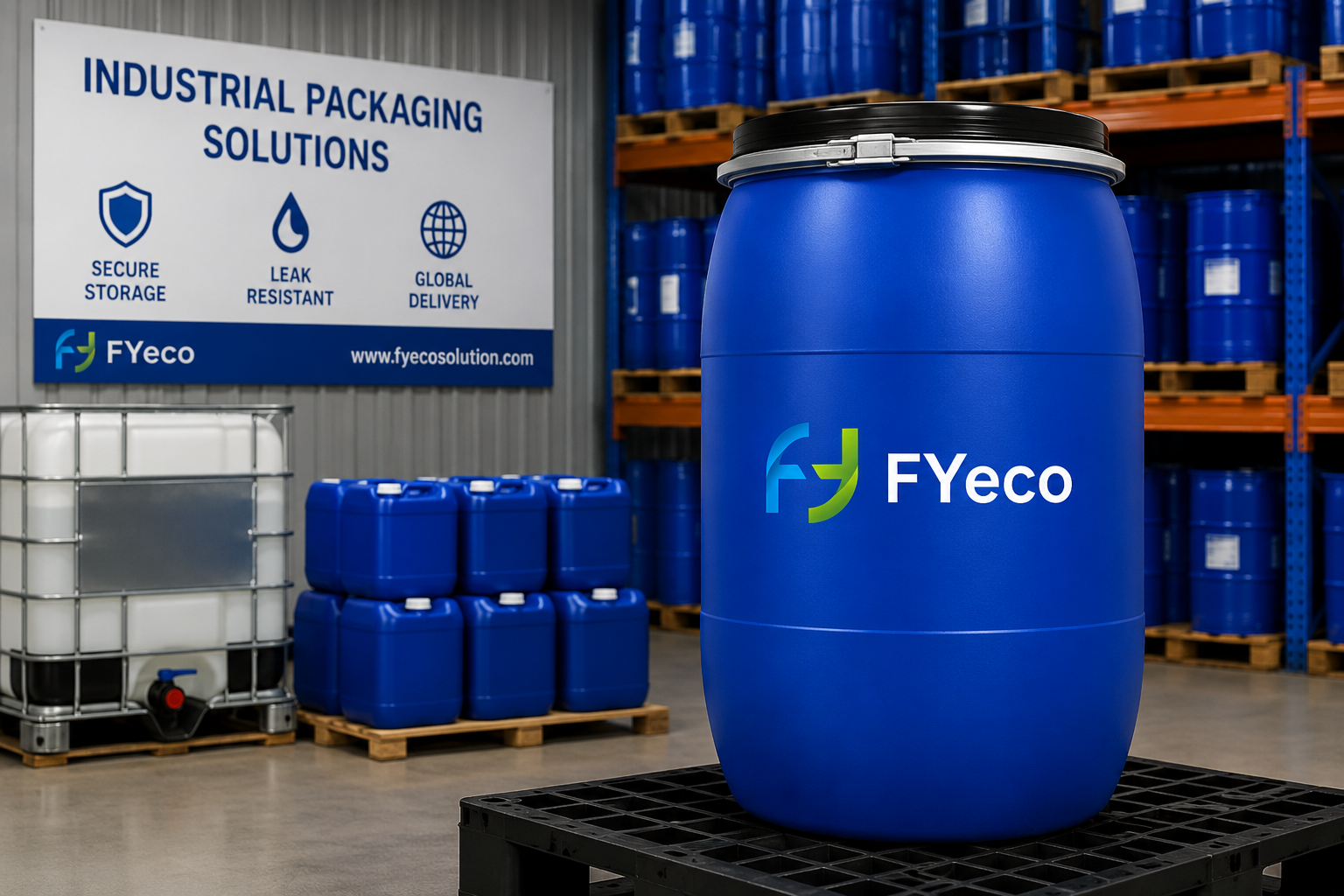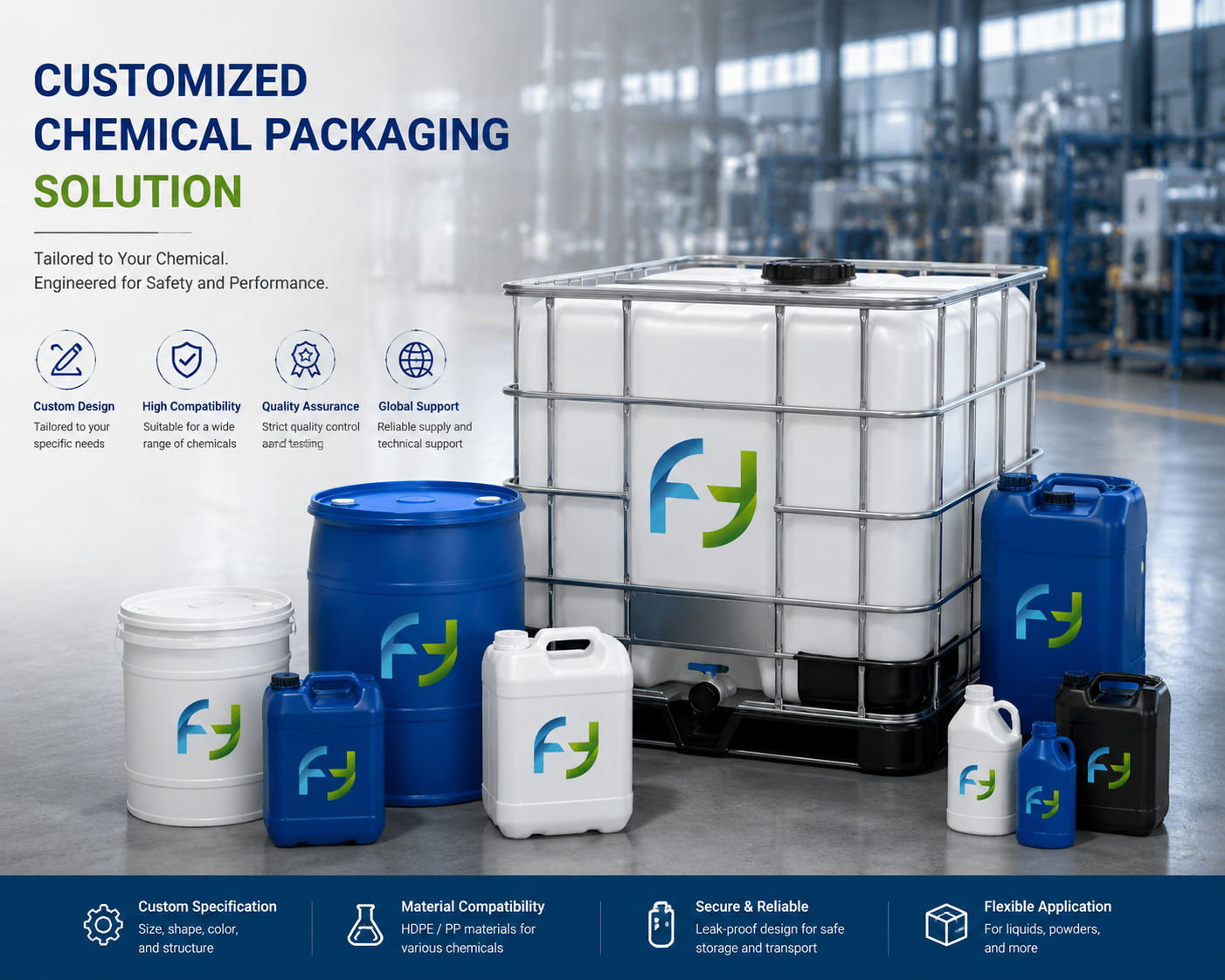

When dealing with bulk liquids, problems rarely appear immediately. A drum might pass initial inspection, hold its shape under normal conditions, and seem perfectly adequate.
Then transport begins.
Stacking pressure increases. Temperature fluctuates. Internal liquid expands slightly. That’s when weaknesses show—warping, seal failure, or in worse cases, leakage.
For chemical distributors, coolant manufacturers, and industrial buyers, this is not just a packaging issue. It directly impacts safety, compliance, and cost.
A professional 200L plastic drum supplier is not simply delivering containers. The role is to provide a packaging system that remains stable under real-world stress—not just lab conditions.
Why 200L HDPE Drums Are the Industry Standard
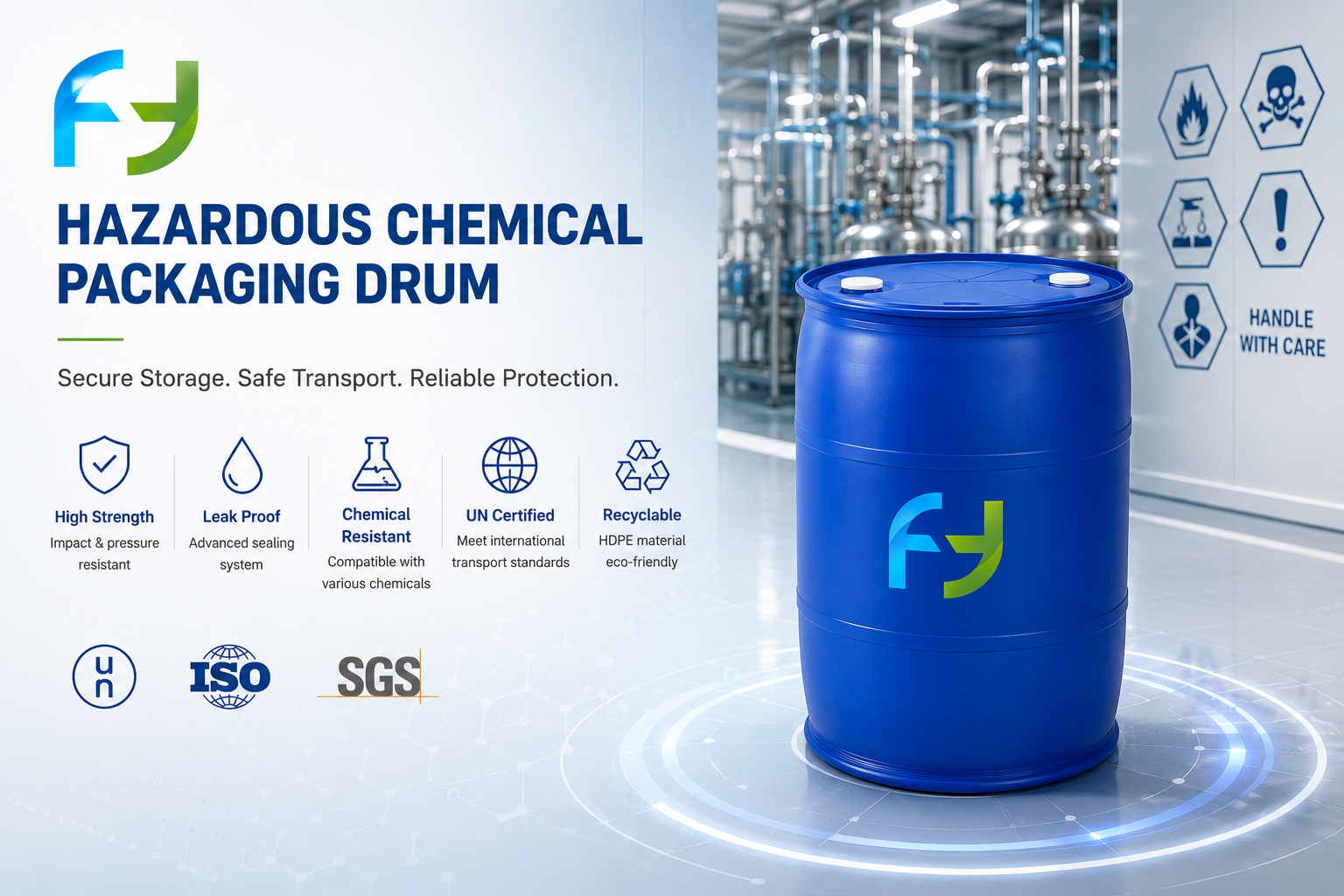
Among bulk packaging options, 200-liter HDPE drums are widely used across chemical, lubricant, and coolant industries.
The reason is straightforward.
HDPE offers:
- Strong resistance to acids, alkalis, and industrial fluids
- High impact strength under transport conditions
- Good flexibility without cracking under stress
- Stable performance across temperature variations
However, these advantages only hold when material quality and production consistency are controlled.
A reliable 200L plastic drum supplier ensures resin quality, molding precision, and wall uniformity—all of which directly affect durability.
Structural Strength: What Actually Prevents Drum Failure
A 200L drum does not fail because of one factor. Failure is usually the result of combined stress.
Key structural elements include:
- Wall thickness distribution → prevents weak points
- Rib reinforcement design → improves stacking load capacity
- Base structure → supports long-term storage weight
- Closure system → ensures leak-proof sealing
Even slight inconsistencies in molding can create stress concentration zones. Over time, these become failure points.
A well-engineered drum from a qualified 200L plastic drum supplier distributes load evenly, reducing the risk of deformation and leakage.
Performance Comparison: Standard vs Industrial-Grade 200L Drums
| Performance Parameter | Standard Plastic Drum | Industrial-Grade 200L HDPE Drum |
|---|---|---|
| Impact resistance | Moderate | High (+40–60%) |
| Stack load capacity | 2–3 layers | 4–6 layers (+60–80%) |
| Chemical resistance | Limited | Broad compatibility |
| Leakage rate | 3–5% risk | <1–2% defect rate |
| UV resistance | Basic | Enhanced (+30–50% lifespan) |
| Service life | 1–2 years | 3–5 years |
These differences are critical when drums are used repeatedly or transported over long distances.
Matching 200L Drums to Different Applications
Not all bulk liquids behave the same way inside a drum.
Some chemicals create internal pressure changes. Others interact with plastic over time. Temperature-sensitive liquids expand and contract during transport.
That’s why selecting a 200L plastic drum supplier requires understanding the actual use scenario:
- Chemical storage → focus on compatibility
- Export transport → focus on UN certification
- Long-term warehousing → focus on stacking strength
- Outdoor storage → focus on UV resistance
A drum that works in one environment may fail in another.
B2B Considerations: What Buyers Actually Evaluate
Industrial buyers rarely choose based on price alone. Risk is a bigger concern.
They typically evaluate:
- Consistency across batches
- Compliance (UN certification, export standards)
- Material traceability
- Supplier stability and delivery capacity
A dependable 200L plastic drum supplier must provide documentation, quality assurance, and technical support—not just products.
Common Signs of Drum Quality Issues
In real operations, warning signs often appear early:
- Slight bulging after filling
- Increased leakage during stacking
- Difficulty sealing the lid properly
- Reduced stability during transport
These issues indicate structural or material weaknesses.
Frequently Asked Questions
Q: Are 200L HDPE drums suitable for all chemicals?
Not all. Compatibility depends on chemical type and concentration.
Q: What certifications should a drum supplier have?
UN certification is essential for hazardous material transport.
Q: How many times can a 200L plastic drum be reused?
Typically multiple cycles, depending on condition and usage environment.
Reliable Bulk Packaging Starts with the Right Supplier
Bulk liquid storage and transport require more than just a container. They require consistency, durability, and compliance.
Explore 200L Drum Solutions
If you are sourcing bulk packaging or evaluating drum quality, you can explore FYeco’s product solutions here:
https://www.fyecosolution.com/products
Discuss Your Packaging Requirements
For specific chemical compatibility, export needs, or custom drum specifications, you can contact FYeco here:
https://www.fyecosolution.com/contact-us