
Antifreeze for Diesel Engines: Cooling Stability Under High Load and Extended Operation
Automotive diesel engines operate under a different thermal and mechanical profile than gasoline engines. Higher compression ratios, sustained torque output, and longer duty cycles place continuous stress on the cooling system, making coolant selection a critical reliability factor rather than a routine maintenance item.
Antifreeze for diesel engines must manage not only freeze and boil protection, but also thermal stability, corrosion control, and material compatibility under prolonged load. Understanding how coolant chemistry behaves in real diesel vehicles helps avoid issues that typically appear only after extended use.
Why Diesel Engines Stress Coolant Differently
The cooling system in a diesel vehicle experiences more sustained heat exposure.
Compared with gasoline engines, automotive diesel engines typically:
-
Operate at higher average thermal load
-
Run longer between cold starts
-
Produce greater localized heat around cylinder liners and heads
These conditions accelerate oxidation and additive depletion in coolant. If formulation stability is insufficient, corrosion protection weakens and heat-transfer efficiency gradually declines. This is why antifreeze for diesel engines must be evaluated based on endurance, not just initial performance metrics.
Material and System Considerations in Modern Diesel Engines
Modern diesel engines rely heavily on aluminum components combined with cast iron blocks, steel liners, and complex EGR cooling circuits. This mixed-material environment increases the importance of balanced inhibitor systems.
Effective diesel engine coolant formulations must:
-
Protect aluminum from localized corrosion
-
Prevent cavitation erosion around liners
-
Maintain pH stability across long service intervals
When inhibitor balance is not optimized, early-stage issues may include liner pitting, deposit formation in EGR coolers, or gradual loss of thermal efficiency.
How Antifreeze Chemistry Evolves in Diesel Driving Cycles
Diesel vehicles often operate for extended periods at steady load, especially in fleet or highway use.
During these cycles:
-
Oxidation reactions proceed continuously rather than cyclically
-
Buffer systems work harder to neutralize acidic by-products
-
Deposits form more readily if additives are not robust
Well-designed antifreeze for diesel engines maintains chemical balance across these conditions, ensuring that corrosion protection and heat transfer remain stable even as mileage accumulates.
Selecting Antifreeze Based on Diesel Vehicle Use
Coolant selection should reflect how the diesel vehicle is actually used.
Passenger Diesel Cars
Require stable corrosion protection for aluminum components and consistent flow behavior during mixed urban and highway driving.
Light Commercial Diesel Vehicles
Experience longer operating hours and higher thermal load, making additive endurance and deposit control more critical.
Turbocharged Diesel Engines
Place additional stress on cooling circuits, increasing the importance of heat-transfer stability and inhibitor resilience.
Matching formulation characteristics to these use cases reduces long-term cooling system risk.
Diesel vs Gasoline Engine Coolant Requirements
| Technical Aspect | Diesel Engine Cooling | Gasoline Engine Cooling |
|---|---|---|
| Average thermal load | Higher | Lower |
| Operating duration | Longer | Shorter |
| Oxidation stress | Sustained | Cyclic |
| Cavitation risk | Higher | Lower |
| Additive endurance requirement | High | Moderate |
This comparison explains why diesel applications often require more robust coolant formulations even when freeze protection requirements are similar.
Procurement Perspective for Diesel Engine Coolant
From a procurement standpoint, antifreeze for diesel engines should be assessed on lifecycle reliability rather than initial cost.
Key evaluation points include:
-
Stability of formulation over extended mileage
-
Compatibility with modern diesel engine materials
-
Consistency across production batches
-
Availability of technical guidance for platform-specific conditions
Selecting coolant without considering these factors often leads to premature system maintenance and increased operating cost.
Q&A
Q: Can gasoline engine coolant be used in diesel vehicles?
Sometimes, but diesel engines often require higher additive endurance and cavitation protection.
Q: Does diesel antifreeze need to be replaced more frequently?
Replacement intervals depend on formulation stability and vehicle usage, not engine type alone.
Q: Is higher glycol concentration better for diesel engines?
No. Excess concentration can reduce heat transfer efficiency under sustained load.
Applying Antifreeze Solutions in Automotive Diesel Engines
Cooling system reliability in diesel vehicles depends on antifreeze chemistry matched to real operating conditions.
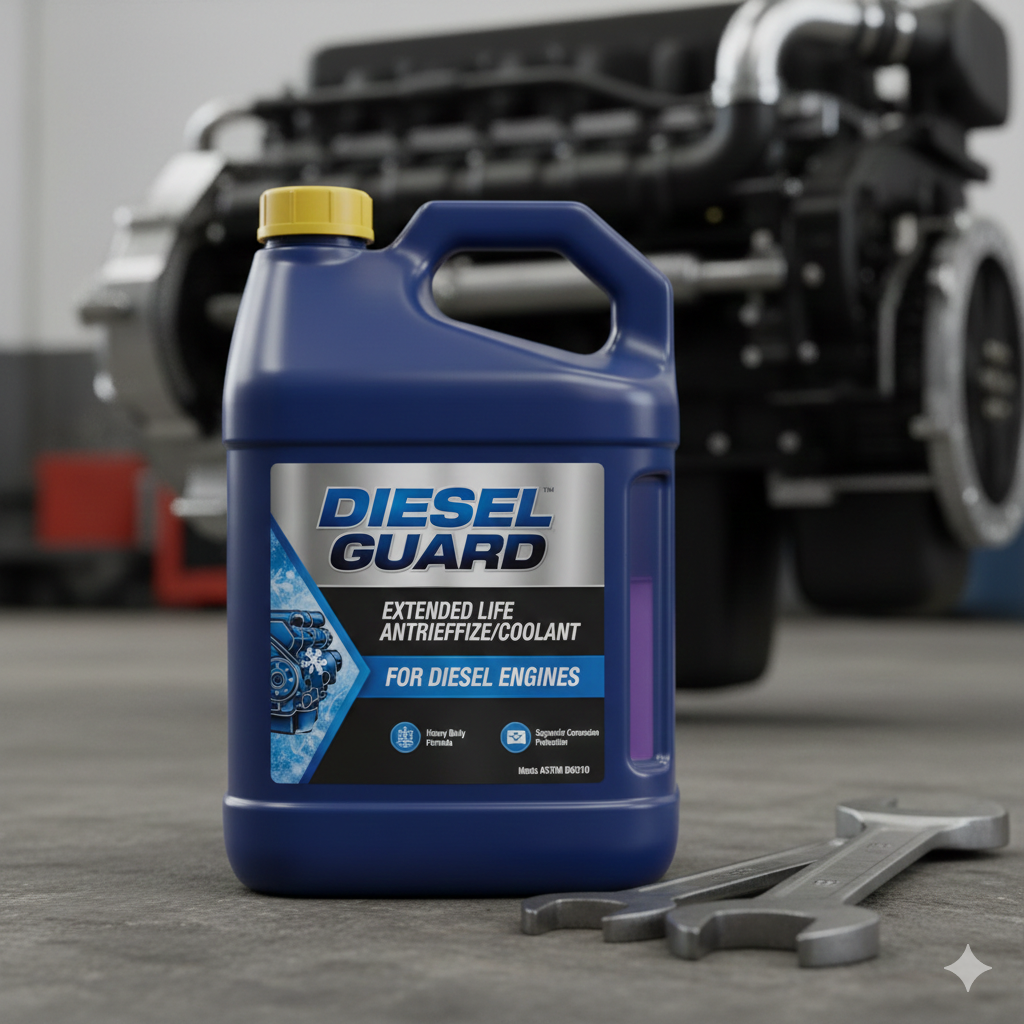
FYeco provides antifreeze solutions formulated for automotive diesel engines, focusing on thermal stability, corrosion protection, and long-term performance under sustained load. Reviewing suitable options within FYeco’s product portfolio helps engineers and buyers evaluate antifreeze choices based on real diesel engine requirements rather than generic specifications.
https://www.fyecosolution.com/products
For passenger or light commercial diesel vehicles operating under demanding conditions, discussing engine characteristics and service expectations with the FYeco team supports a clearer, application-driven coolant selection process.
https://www.fyecosolution.com/contact-us