
Antifreeze Inhibitor Package: The Hidden System That Protects Engine Cooling Circuits
Cooling system failures rarely appear dramatic at first. A vehicle runs slightly warmer than usual. Radiator efficiency drops. Over time, deposits begin to form, and corrosion quietly spreads across metal surfaces.
For fleet maintenance teams and coolant manufacturers, these symptoms often appear puzzling. The coolant may still meet freeze protection specifications, yet internal damage continues to develop.
The underlying cause frequently lies in the stability of the inhibitor system rather than the base coolant itself.
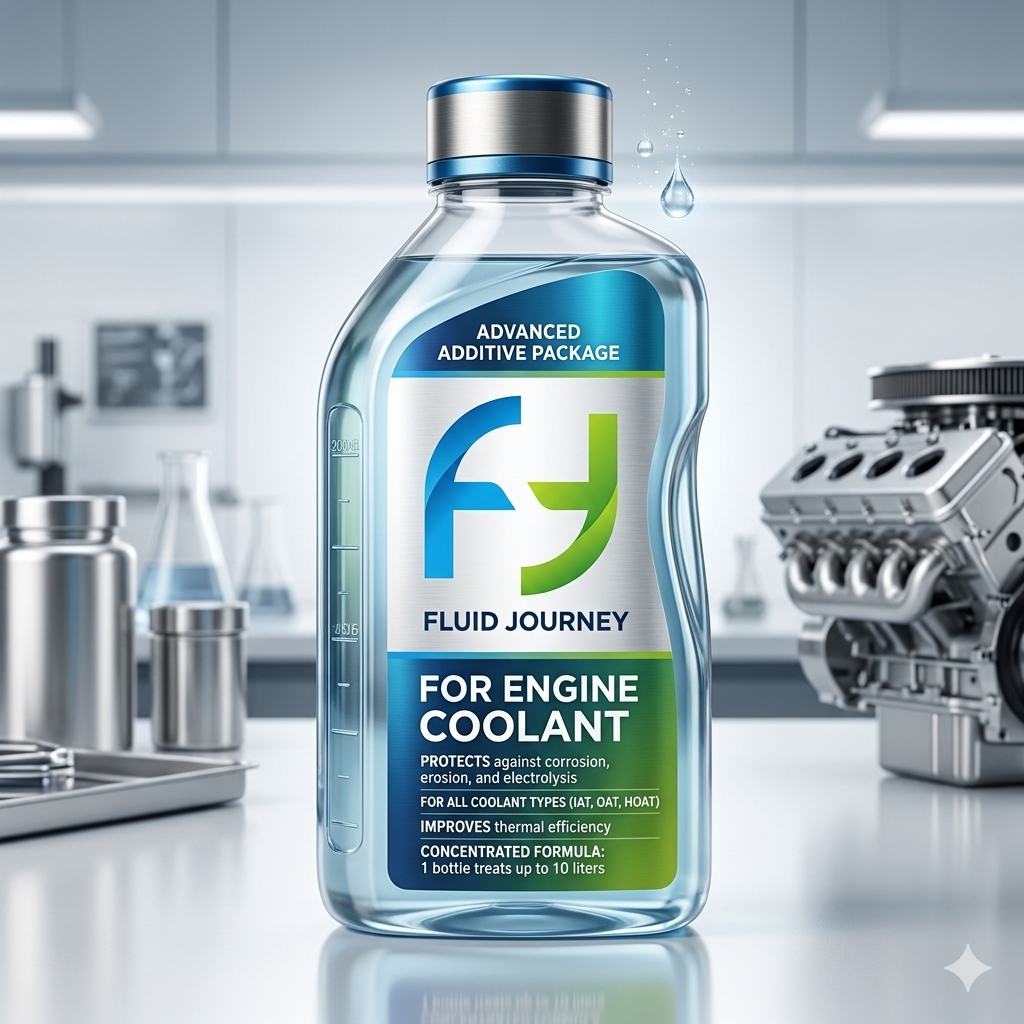
This is where the antifreeze inhibitor package plays a decisive role. Instead of simply preventing freezing, the inhibitor package acts as the chemical defense system of the coolant—controlling corrosion reactions, stabilizing pH balance, and protecting metal surfaces throughout the engine cooling circuit.
At FYeco, coolant formulation work places significant emphasis on inhibitor balance, ensuring that corrosion protection remains stable over long operating periods rather than declining prematurely.
Why Cooling Systems Depend on Stable Inhibitor Chemistry
Inside an operating engine, coolant is constantly exposed to a chemically active environment. Temperature fluctuations, oxygen exposure, and mixed-metal contact all create conditions where corrosion reactions can occur.
Even small chemical imbalances can accelerate deterioration. Aluminum surfaces may develop pitting corrosion. Steel components begin to oxidize. Over time, protective oxide layers break down and corrosion spreads through the cooling circuit.
An antifreeze inhibitor package is designed to interrupt these reactions before they gain momentum.
Rather than relying on a single additive, modern inhibitor systems combine multiple protective mechanisms. Surface passivation, electrochemical stabilization, and buffering agents work together to maintain chemical equilibrium inside the coolant.
Without this layered protection strategy, corrosion rates increase significantly.
Key Protective Functions of an Antifreeze Inhibitor Package
An effective inhibitor system must perform several protective roles simultaneously.
The first function involves forming a thin protective film on metal surfaces. This microscopic layer acts as a barrier, preventing oxygen and ions from directly attacking the metal.
Another role is electrochemical stabilization. When multiple metals are present in a cooling system, small electrical potential differences appear between them. These differences can trigger galvanic corrosion. Inhibitors help reduce these electrochemical interactions.
Finally, pH stabilization is essential. Coolant chemistry gradually changes during operation, especially as oxidation products accumulate. Buffering additives maintain pH within a controlled range so that corrosion reactions remain limited.
Together, these functions allow an antifreeze inhibitor package to maintain consistent protection across different materials.
Performance Comparison: Coolant With and Without Inhibitor Package
| Performance Parameter | Without Inhibitor Package | With Antifreeze Inhibitor Package |
|---|---|---|
| Multi-metal corrosion rate (ASTM D1384) | 0.20–0.30 mm/year | ≤0.05–0.08 mm/year |
| Heat transfer efficiency retention | 80–85% | 93–96% |
| Radiator deposit formation | 20–30% surface coverage | <8–10% |
| Coolant oxidation stability | Baseline | +30–40% longer stability |
| Cooling system lifespan | Shorter | Extended service interval |
| Maintenance frequency | Higher | Reduced |
Viewed from a long-term perspective, corrosion control is not merely a protective feature—it directly affects cooling efficiency and system durability.
Why Inhibitor Balance Matters in Modern Engines
Modern automotive engines combine multiple materials in increasingly compact cooling systems. Aluminum alloys dominate cylinder heads and radiators, while steel connectors and cast iron blocks remain common.
Each material reacts differently to coolant chemistry. An inhibitor concentration that protects one metal may not fully protect another. In some cases, excessive inhibitor levels can even increase deposit formation.
This is why the antifreeze inhibitor package must be carefully balanced rather than simply strengthened. Engineers must consider metal compatibility, temperature cycling, and additive depletion rates when designing inhibitor systems.
Proper balance allows the coolant to remain chemically stable across the entire cooling circuit.
Procurement Considerations for B2B Coolant Applications
For coolant manufacturers, distributors, and fleet operators, selecting an inhibitor system involves more than reviewing laboratory data.
Consistency between production batches becomes critical when large quantities of coolant are distributed across fleets or markets. Small formulation variations may lead to inconsistent corrosion protection.
Technical documentation and regulatory compliance also influence procurement decisions. Buyers typically evaluate inhibitor systems based on chemical safety regulations, compatibility with existing coolant specifications, and availability of technical support.
A reliable antifreeze inhibitor package supplier therefore provides not only chemical formulations but also application guidance and quality control assurance.
Frequently Asked Questions
Q: Do inhibitor packages wear out during coolant service life?
Yes. Corrosion inhibitors gradually deplete during operation, which is why coolant replacement intervals are recommended.
Q: Can stronger inhibitor concentrations always improve protection?
Not necessarily. Excessive inhibitor levels can create deposits or destabilize coolant chemistry.
Q: Are inhibitor packages compatible with all engine materials?
Compatibility depends on formulation balance and the specific metals used in the cooling system.
Strengthening Cooling System Reliability Through Stable Inhibitor Design
The reliability of an automotive cooling system depends heavily on the chemical stability of the coolant circulating inside it. A properly balanced inhibitor system protects metal components, maintains heat transfer efficiency, and reduces long-term maintenance risks.
If you are evaluating coolant formulations or inhibitor technologies for automotive applications, reviewing available product options can help identify solutions suited to your engine requirements. FYeco’s automotive coolant products can be explored here:
https://www.fyecosolution.com/products
For manufacturers, coolant brands, or fleet operators seeking technical support in coolant chemistry or inhibitor system design, discussing specific application requirements with the FYeco team may help determine the most suitable solution:
https://www.fyecosolution.com/contact-us