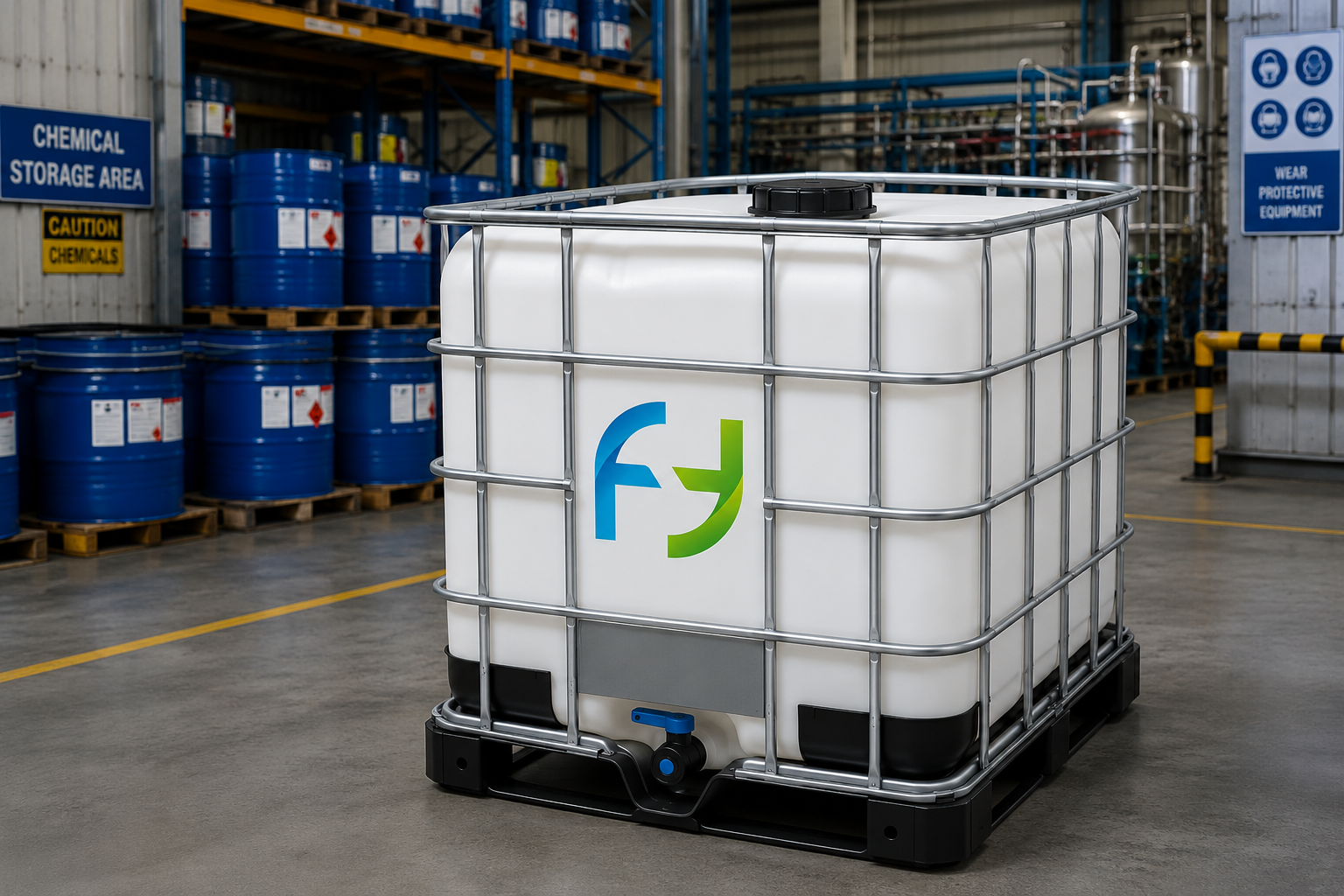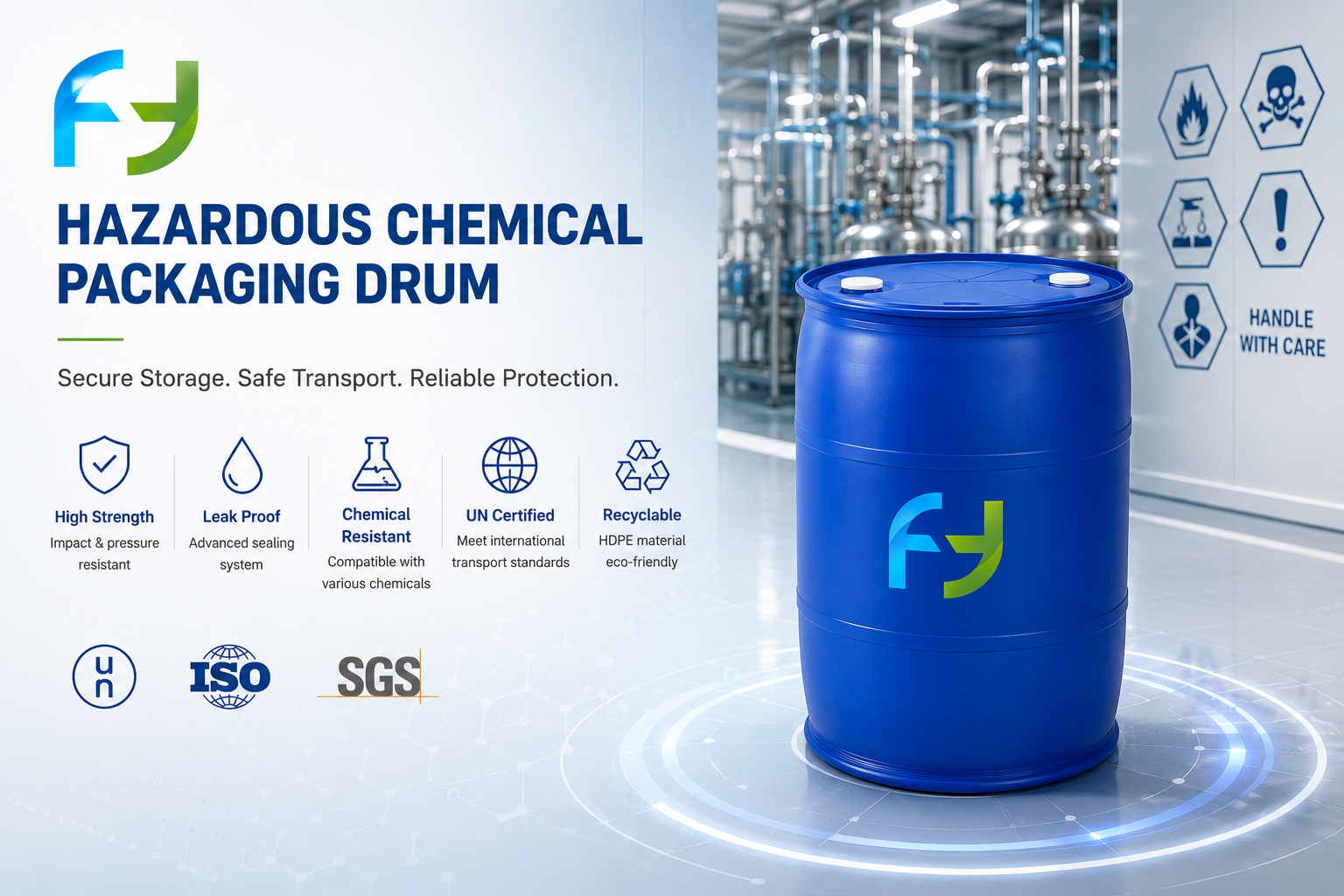

In industrial environments, attention often focuses on the product itself—its formulation, performance, and application. Packaging, on the other hand, is sometimes treated as a secondary decision.
That assumption rarely holds in practice.
Leakage during transport, deformation under stacking pressure, or compatibility issues with stored chemicals can quickly turn packaging into a major risk factor. For distributors, manufacturers, and exporters, the cost is not just material loss—it extends to safety concerns, regulatory penalties, and operational disruption.
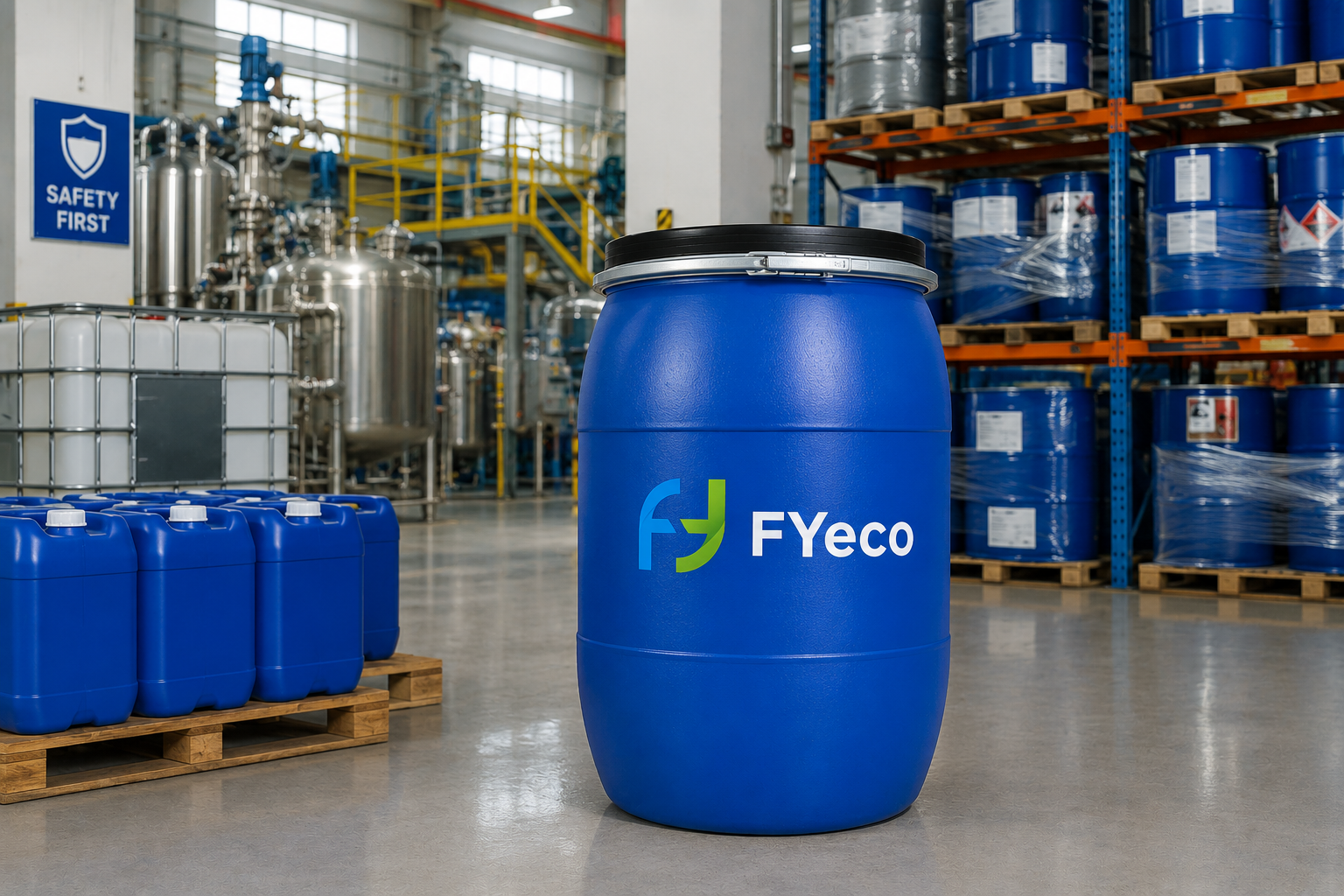
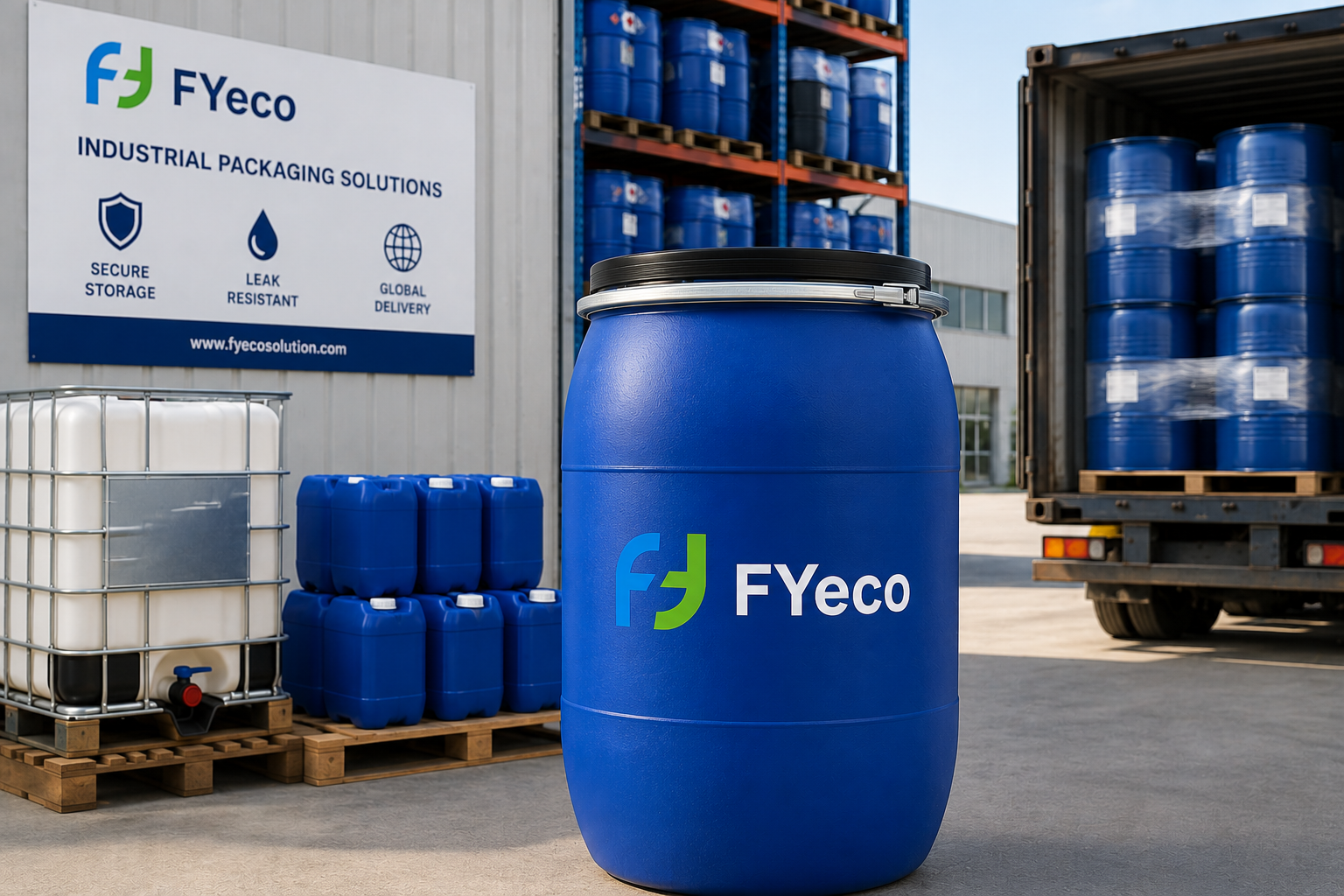
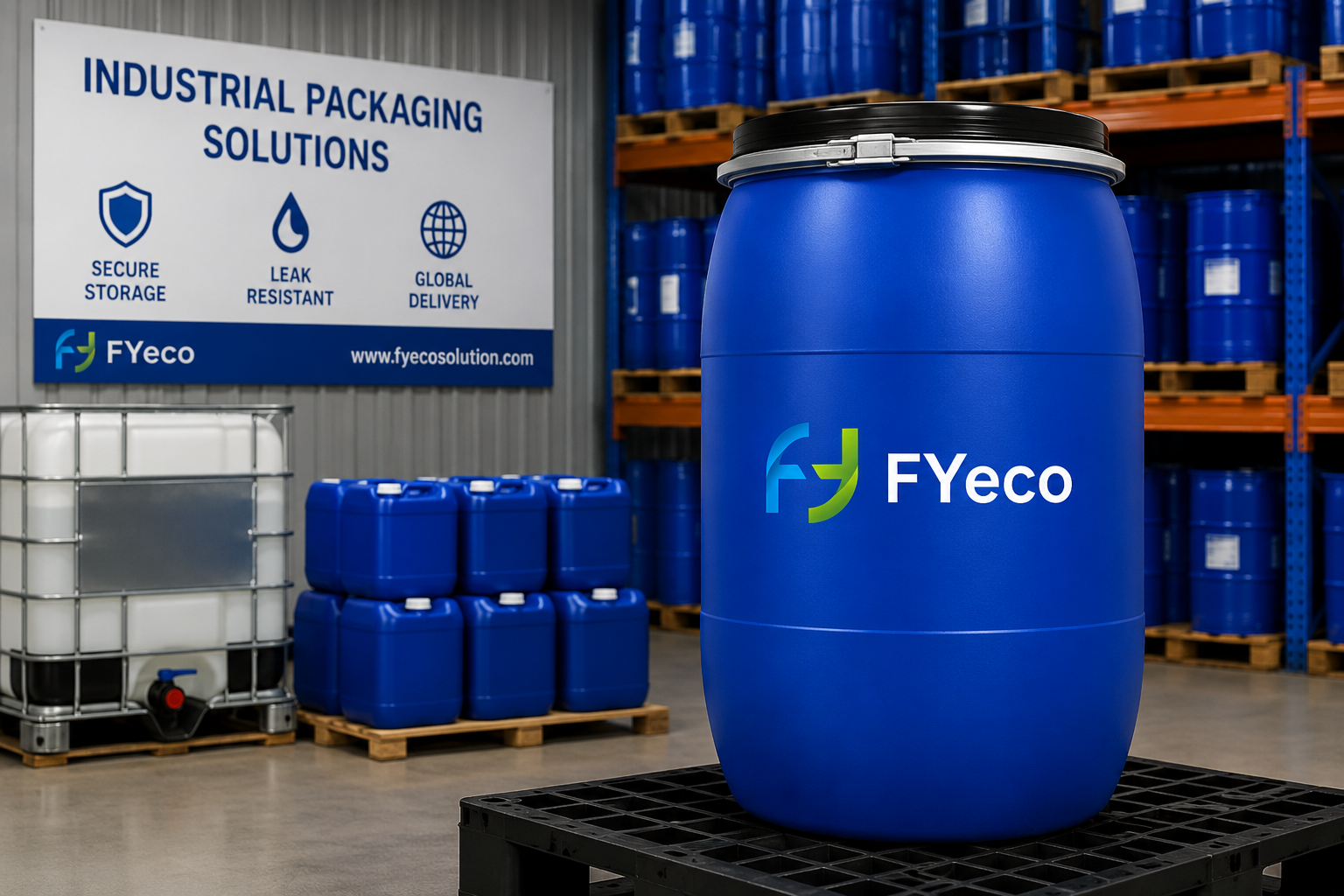
This is where a properly designed chemical packaging drum becomes essential. It is not just a container; it functions as a protective system that must remain stable across storage, handling, and transportation stages.
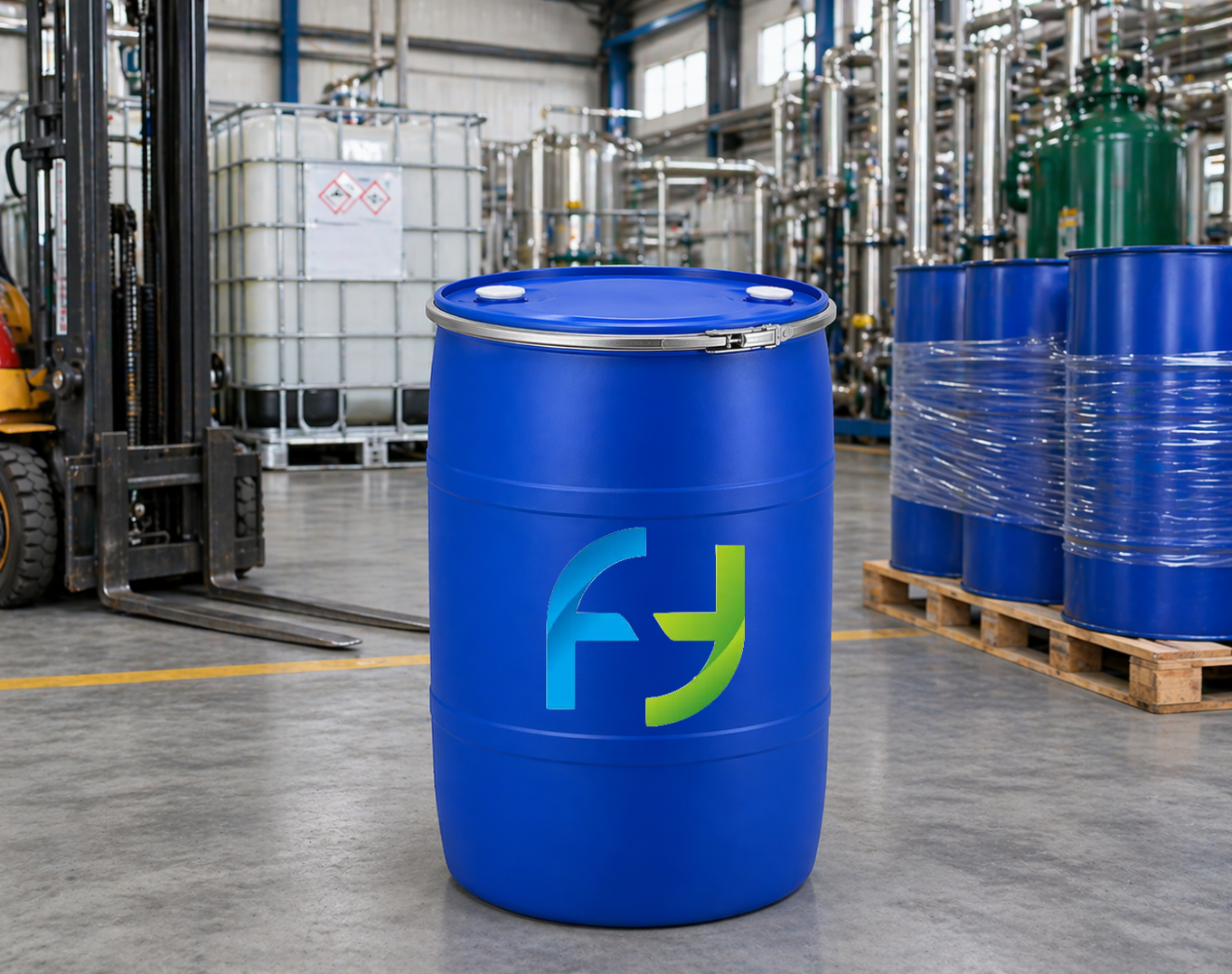
Why Chemical Packaging Requires More Than Standard Containers
Unlike general-purpose containers, chemical drums must handle complex stress conditions.
Liquids stored inside may be corrosive, reactive, or sensitive to environmental changes. External factors such as temperature fluctuations, UV exposure, and mechanical vibration during transport further increase risk.
A standard plastic container may perform well under static conditions. However, once subjected to real industrial use, weaknesses often emerge.
A reliable chemical packaging drum is therefore engineered to resist both chemical interaction and mechanical stress simultaneously.
Material Selection: Why HDPE Dominates Chemical Drum Production
High-density polyethylene (HDPE) is widely used in chemical packaging due to its balanced performance.
Its advantages include:
- Strong resistance to acids, alkalis, and solvents
- High impact strength during handling and transport
- Flexibility without cracking under stress
- Stability across a wide temperature range
That said, material selection alone is not enough. Resin quality and processing consistency directly affect durability.
A well-manufactured chemical packaging drum ensures that these properties remain consistent across batches.
Performance Comparison: Standard vs Industrial Chemical Drums
| Performance Parameter | Standard Plastic Container | Industrial Chemical Packaging Drum |
|---|---|---|
| Chemical resistance | Moderate | High (broad compatibility) |
| Impact resistance | Basic | +40–60% improved |
| Leakage risk | 3–5% | <1–2% defect rate |
| Stack load capacity | 2–3 layers | 4–6 layers |
| UV resistance | Limited | +30–50% lifespan |
| Service life | 1–2 years | 3–5 years |
These differences become more significant when drums are used in long-term storage or export logistics.
Structural Design: Where Reliability Is Actually Built
A drum’s performance depends heavily on its structural design.
Key design considerations include:
- Uniform wall thickness to prevent stress concentration
- Reinforced rib structure for load distribution
- Stable base design for stacking
- Secure sealing system to prevent leakage
Even minor inconsistencies in molding can lead to long-term failure.
A properly engineered chemical packaging drum distributes pressure evenly, reducing deformation and maintaining sealing integrity.
Application Scenarios Across Industries
Chemical packaging drums are used across multiple industries, each with different requirements.
- Chemical manufacturing → corrosion resistance is critical
- Coolant and lubricant storage → long-term stability is required
- Export logistics → stacking strength and transport durability
- Industrial processing → resistance to contamination and temperature variation
Selecting the right chemical packaging drum depends on aligning these requirements with drum specifications.
B2B Considerations: What Buyers Should Evaluate
Industrial buyers rarely select packaging based on appearance alone.
Key considerations include:
- Consistent production quality
- Compliance with safety and transport regulations
- Material traceability
- Supplier reliability and delivery capacity
A dependable chemical packaging drum supplier provides not just products, but also testing data and technical support.
Common Warning Signs of Poor Packaging Quality
In actual operations, problems often appear gradually:
- Slight deformation after filling
- Leakage during transport
- Difficulty sealing lids properly
- Reduced stacking stability
These signs usually indicate structural or material weaknesses.
Frequently Asked Questions
Q: Are chemical packaging drums reusable?
Yes, depending on condition and application, many can be reused multiple times.
Q: Can all chemicals be stored in HDPE drums?
Not all. Compatibility depends on the chemical composition.
Q: What certifications are important?
UN certification is essential for hazardous material transport.
Reliable Chemical Storage Starts with the Right Packaging
Chemical storage and transport depend heavily on packaging integrity. A well-designed drum ensures safety, stability, and compliance across the entire logistics chain.
Explore Chemical Packaging Solutions
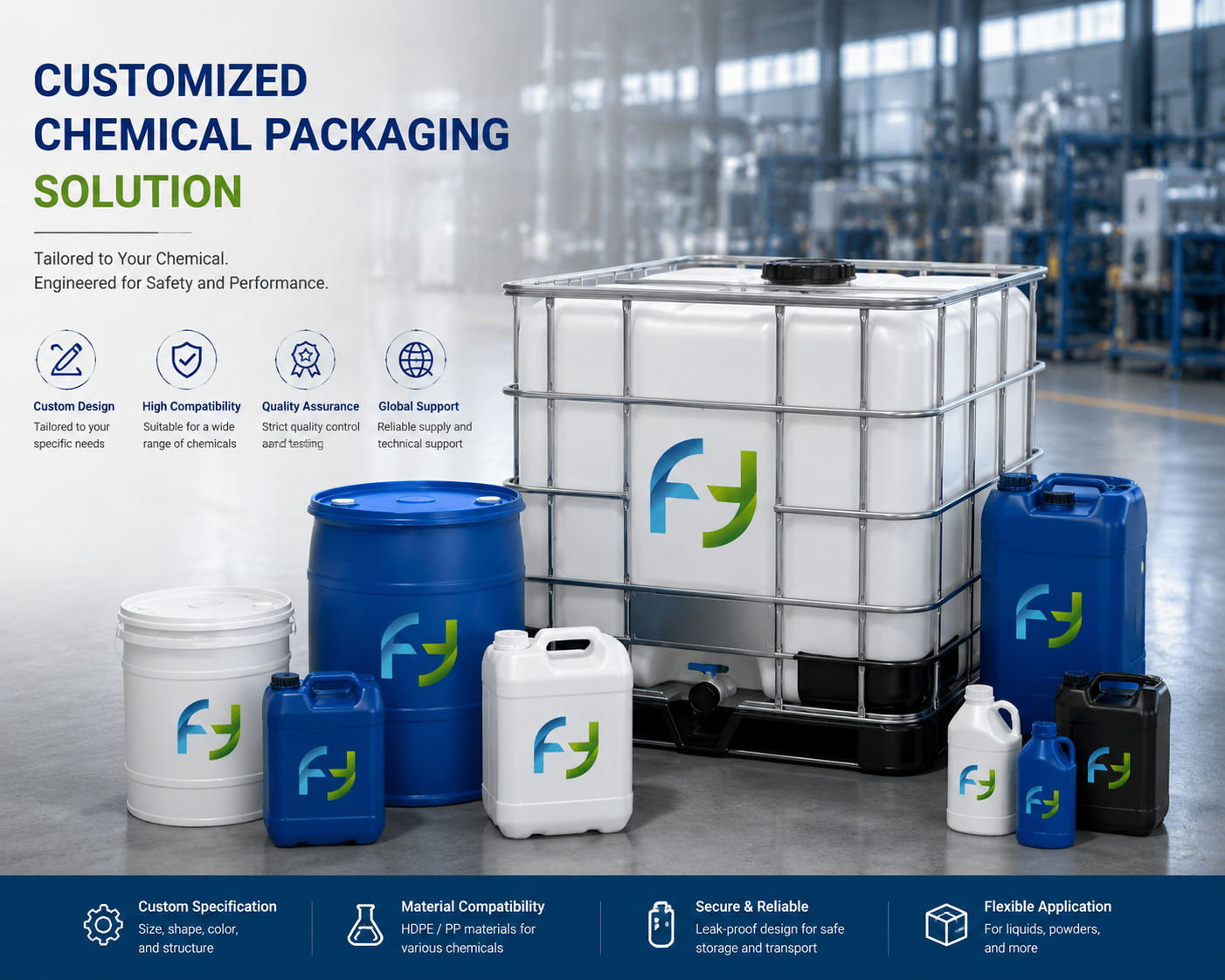
If you are sourcing packaging solutions for industrial liquids, you can explore FYeco’s product offerings here:
https://www.fyecosolution.com/products
Discuss Your Packaging Requirements
For specific chemical compatibility, export requirements, or custom drum specifications, you can contact FYeco here:
https://www.fyecosolution.com/contact-us