
Overcoming Cooling Challenges in Advanced Energy Systems with Antifreeze Additive Packages
In the rapidly evolving world of sustainable energy, hydrogen fuel cell cooling systems often face significant hurdles due to thermal management issues, leading to reduced efficiency and premature component failure. An antifreeze additive package emerges as a critical solution, ensuring stable operation in demanding environments. Specifically designed for applications like proton exchange membrane fuel systems, these packages prevent freezing and overheating, maintaining optimal performance where precision is paramount.
The Problem: Thermal Instability in Hydrogen Fuel Cell Cooling Systems
Hydrogen fuel cell cooling systems are vital for converting chemical energy into electrical power efficiently, but they encounter problems such as electrolyte degradation and corrosion when temperatures fluctuate. In proton exchange membrane fuel systems, inadequate cooling can disrupt the membrane's integrity, causing conductivity issues that exceed safe limits like 0.7 uS/cm, ultimately shortening the system's lifespan. Similarly, wind power equipment cooling systems in harsh climates suffer from ice formation and heat buildup, compromising turbine reliability. For precision optics and medical equipment integrated into these setups, even minor thermal variations can lead to misalignment or contamination, resulting in costly downtime and safety risks. Without a robust antifreeze additive package, these systems struggle to maintain the low electrical conductivity needed for sensitive operations, exacerbating energy loss and maintenance demands.
The Solution: Introducing the Ultra-Low EC Coolant Additive Package
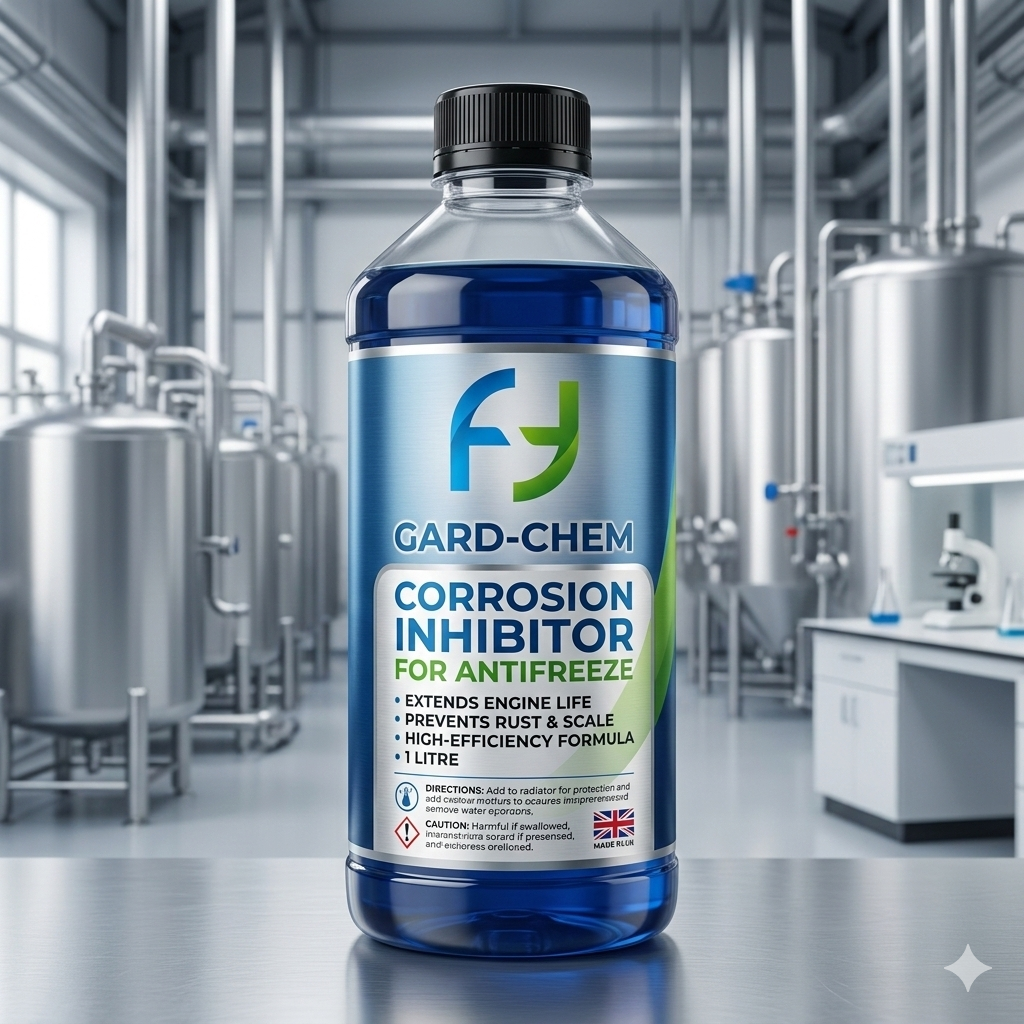
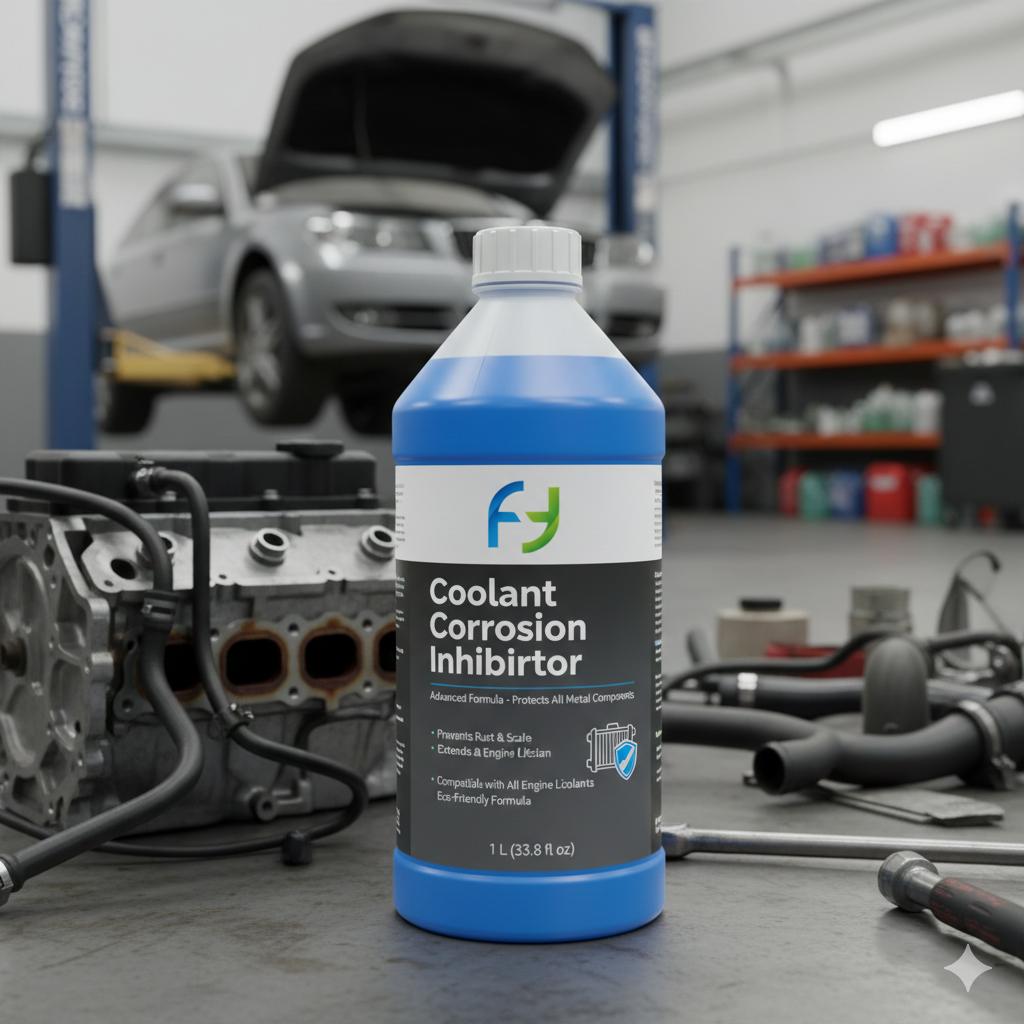
The Ultra-Low EC Coolant Additive Package stands out as an advanced antifreeze additive package tailored to resolve these thermal challenges. With an impressive electrical conductivity of ≤ 2 μΩ/cm—far surpassing the 0.7 uS/cm threshold for stability—this coolant ensures minimal interference in electrical pathways, making it ideal for hydrogen fuel cell cooling systems. Its formulation provides long-term protection with a service interval of up to five years, preventing corrosion and freezing in proton exchange membrane fuel systems while enhancing overall efficiency. For wind power equipment cooling systems, the FY-DR-01 delivers reliable heat dissipation, safeguarding components against extreme weather. In applications involving precision optics and medical equipment, its non-conductive properties maintain clarity and sterility, avoiding any risk of short circuits or material degradation. Packaged in a durable white container with a red cap, this antifreeze additive package combines practicality with high performance, offering professionals a dependable tool for sustained energy solutions.
Benefits and Implementation in Diverse Applications
Implementing the Ultra-Low EC Coolant Additive Package not only addresses immediate thermal problems but also extends the operational life of critical systems. In hydrogen fuel cell cooling systems, it stabilizes temperatures to optimize energy output, reducing the need for frequent interventions. For wind power equipment cooling systems exposed to variable climates, the package's anti-freeze properties ensure uninterrupted power generation. Precision optics in fuel cell monitoring setups benefit from its clarity-preserving formula, while medical equipment powered by these innovative sources maintains hygienic and precise functionality. Users report enhanced reliability, with the low conductivity ensuring seamless integration into proton exchange membrane fuel systems. By choosing this antifreeze additive package, industries can achieve cost savings through extended service life and minimized repairs, paving the way for greener, more efficient technologies. Overall, the HFC-ULC-01 potential vulnerabilities into strengths, supporting the global shift toward sustainable energy with unmatched protection.