
OAT Coolant Application Areas: Solving Cooling Challenges in Modern Engines
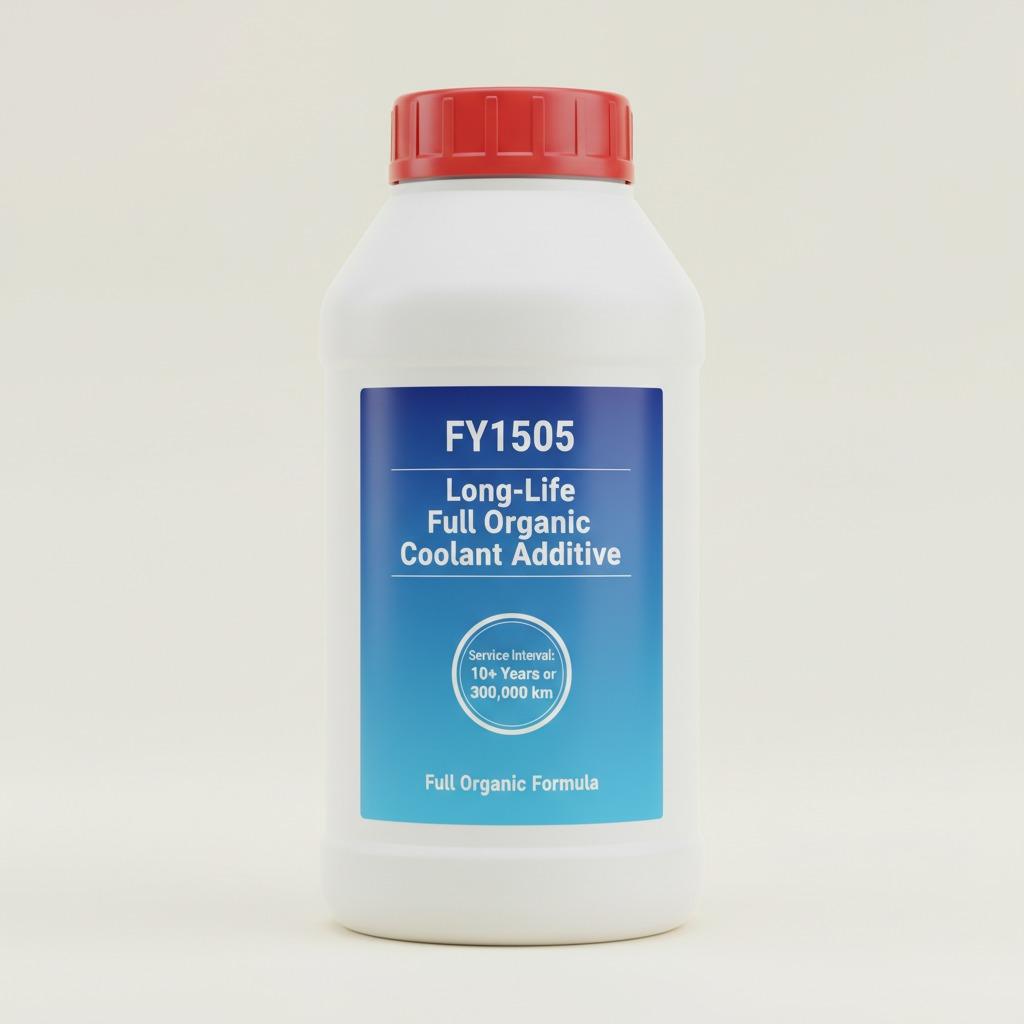
In the world of automotive and industrial maintenance, OAT coolant application areas have become increasingly vital for ensuring optimal performance and longevity of cooling systems. OAT, or Organic Acid Technology, coolants are designed to tackle common issues like corrosion, overheating, and frequent maintenance in diverse environments. If you're dealing with machinery that operates under extreme conditions, the right coolant can prevent costly breakdowns and extend service life. This article explores the problem-solution dynamics of OAT coolants, highlighting how innovations like the FY1505 Long-Life Full Organic Coolant Additive address these challenges effectively.
The Problems with Traditional Coolants in Key Application Areas
Traditional coolants often fall short in OAT coolant application areas, leading to persistent issues across automotive, industrial, and mixed-metal systems. For instance, in long life coolant for machinery, older formulations degrade quickly, causing scale buildup and reduced heat transfer efficiency. This results in overheating, especially in heavy-duty equipment like construction vehicles or manufacturing plants, where downtime can be expensive. Similarly, engine cooling additive applications reveal gaps in corrosion protection; inorganic additives in standard coolants react aggressively with metals, accelerating wear in engines exposed to high temperatures and vibrations. In organic coolant for mixed metal systems, compatibility is a major hurdle—aluminum, copper, and iron components can corrode unevenly, leading to leaks and system failures. Moreover, for coolant additive for global markets, varying climate conditions and regulatory standards exacerbate these problems, as one-size-fits-all solutions fail to provide consistent performance worldwide. These issues not only shorten equipment lifespan but also increase operational costs through frequent replacements and repairs.
Revolutionary Solutions from FY1505 in OAT Coolant Application Areas
Enter the FY1505 Long-Life Full Organic Coolant Additive, a game-changer in OAT coolant application areas that directly addresses these pain points with its advanced, environmentally friendly formula. Specifically engineered for long life coolant for machinery, the FY1505 offers a service interval exceeding 10 years or 300,000 kilometers, drastically reducing the need for coolant changes and minimizing maintenance hassles. In engine cooling additive applications, its organic acid-based composition provides superior protection against cavitation and erosion, ensuring engines run cooler and more efficiently even under demanding loads. For organic coolant for mixed metal systems, the FY1505's non-silicate, non-phosphate formulation prevents corrosion across diverse alloys without forming harmful deposits, making it ideal for hybrid vehicles or industrial setups with varied materials. Tailored for coolant additive for global markets, this additive complies with international standards like ASTM and JIS, delivering reliable performance from scorching deserts to freezing tundras. By enhancing thermal conductivity and inhibiting rust, FY1505 not only solves overheating and corrosion but also promotes sustainability through its biodegradable properties, aligning with eco-conscious practices.
Real-World Benefits and Implementation in Diverse OAT Coolant Application Areas
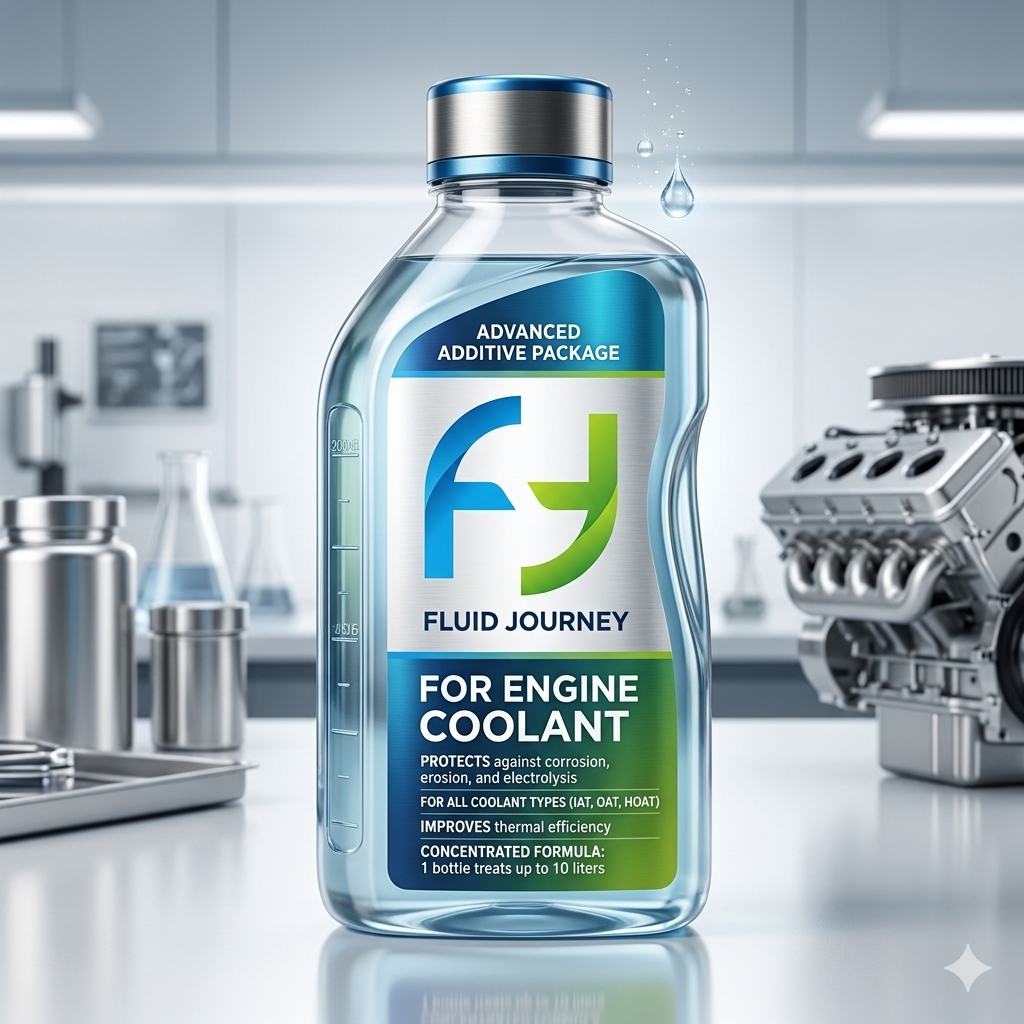
Implementing FY1505 across OAT coolant application areas yields tangible benefits that transform problem-prone systems into reliable assets. In heavy machinery, the long life coolant for machinery aspect means operators can focus on productivity rather than routine checks, with tests showing up to 50% reduction in corrosion rates compared to conventional options. For engine cooling additive applications in passenger cars, users report smoother performance and fewer warranty claims, as the additive stabilizes pH levels over extended periods. In challenging organic coolant for mixed metal systems, such as fleet vehicles with aluminum radiators and cast iron blocks, FY1505 ensures uniform protection, preventing galvanic corrosion that plagues mixed setups. Globally, the coolant additive for global markets versatility allows seamless integration into supply chains, supporting manufacturers and service centers worldwide with its user-friendly packaging—a sleek bottle with a vibrant red cap for quick identification. Beyond immediate fixes, the long-term savings are substantial: reduced fluid disposal, lower energy consumption from efficient cooling, and enhanced engine durability. Whether you're a fleet manager, mechanic, or industrial engineer, adopting FY1505 in your OAT coolant application areas is a strategic move toward proactive maintenance and peak operational efficiency.
In summary, the shift to advanced OAT solutions like FY1505 not only resolves core cooling dilemmas but also future-proofs your systems against evolving demands. With its proven track record, this additive stands out as the premier choice for anyone prioritizing reliability and innovation in coolant technology.