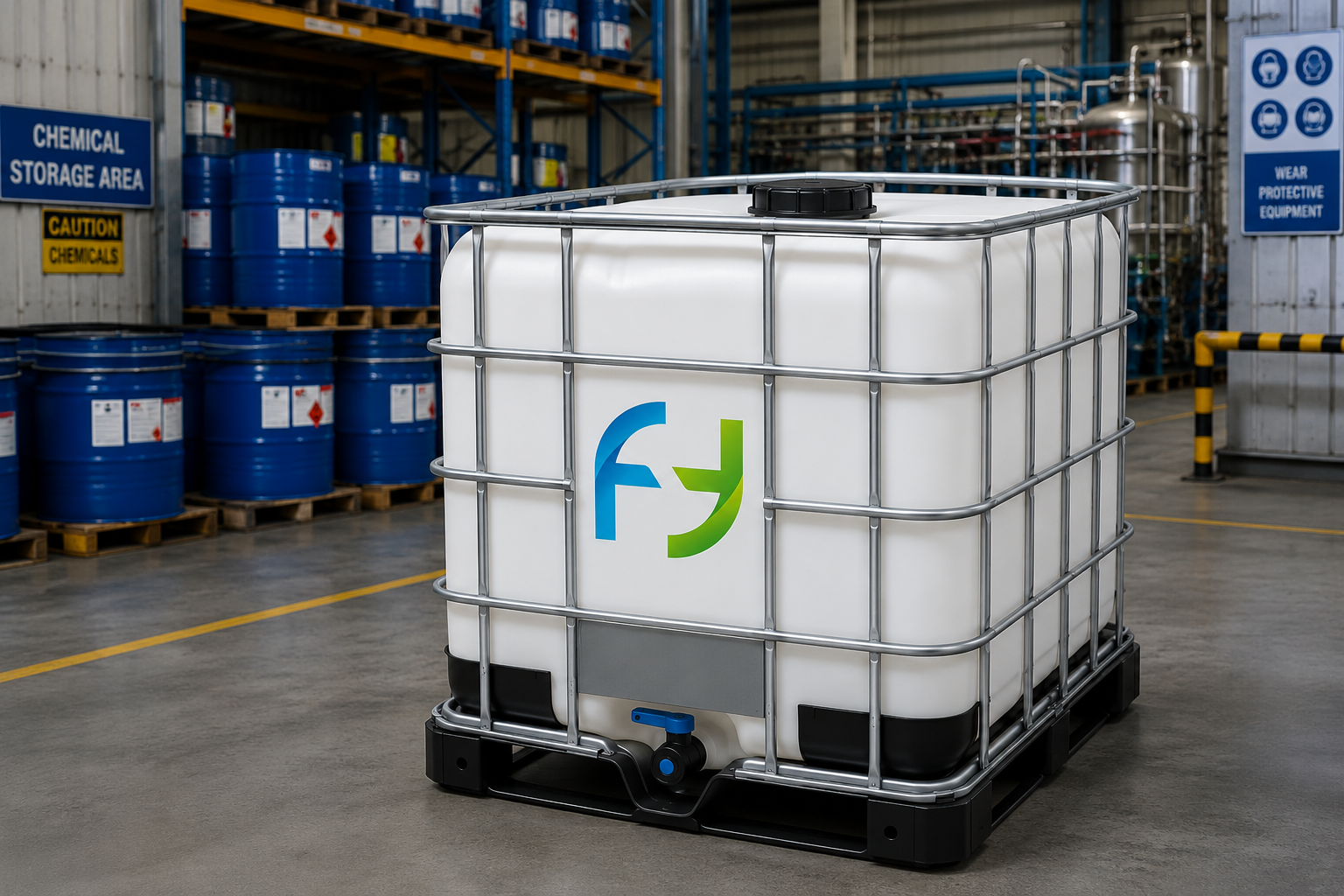

Not every chemical creates the same level of packaging risk.
Some liquids are corrosive. Others are volatile, pressure-sensitive, or highly reactive during transport. In these situations, packaging is no longer just a storage solution—it becomes part of the overall safety system.
A minor sealing failure may result in contamination, cargo damage, transport delays, or regulatory penalties. Under export conditions, the consequences can become even more serious.
For chemical manufacturers, industrial distributors, and logistics operators, selecting the right packaging system is therefore a critical operational decision.
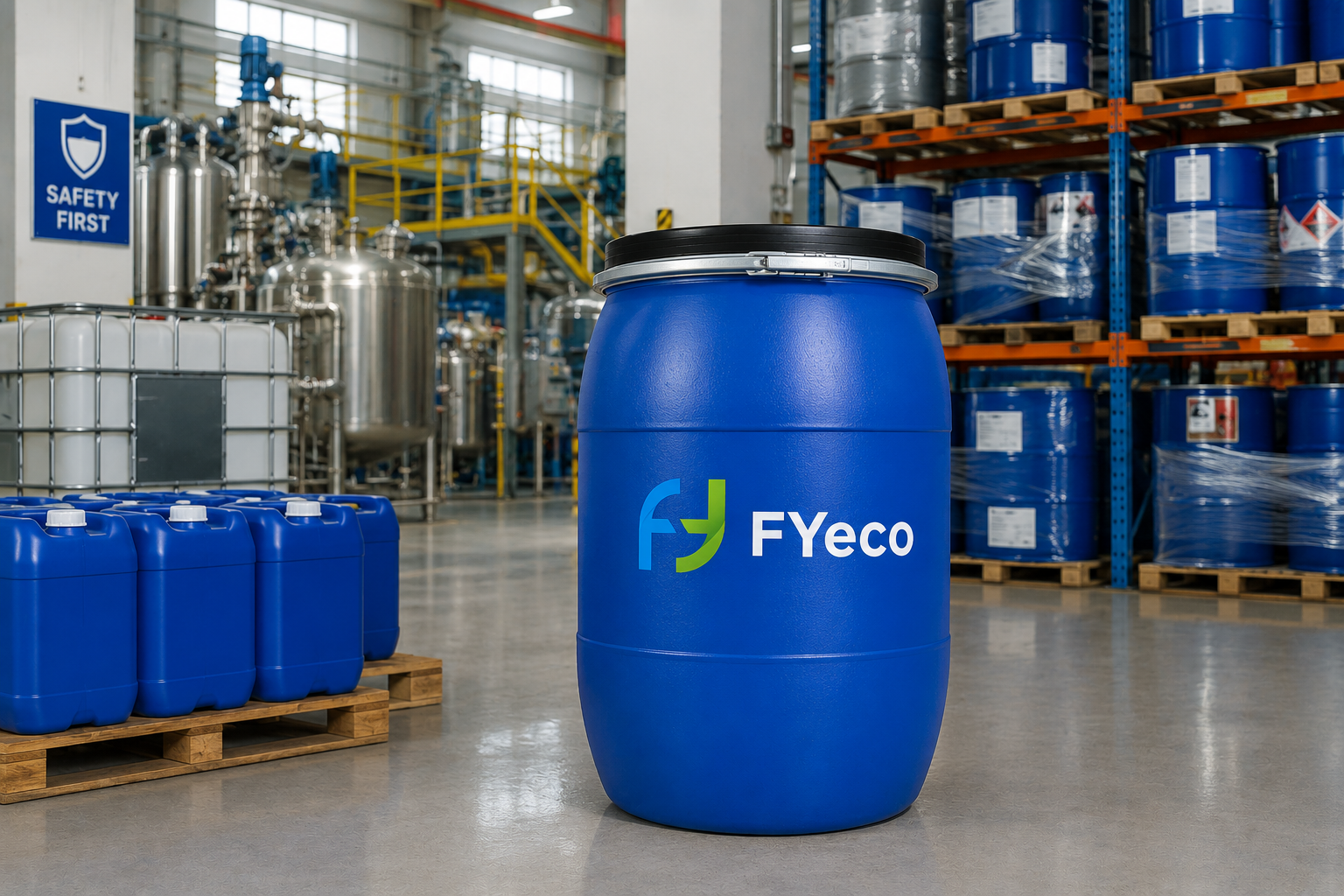
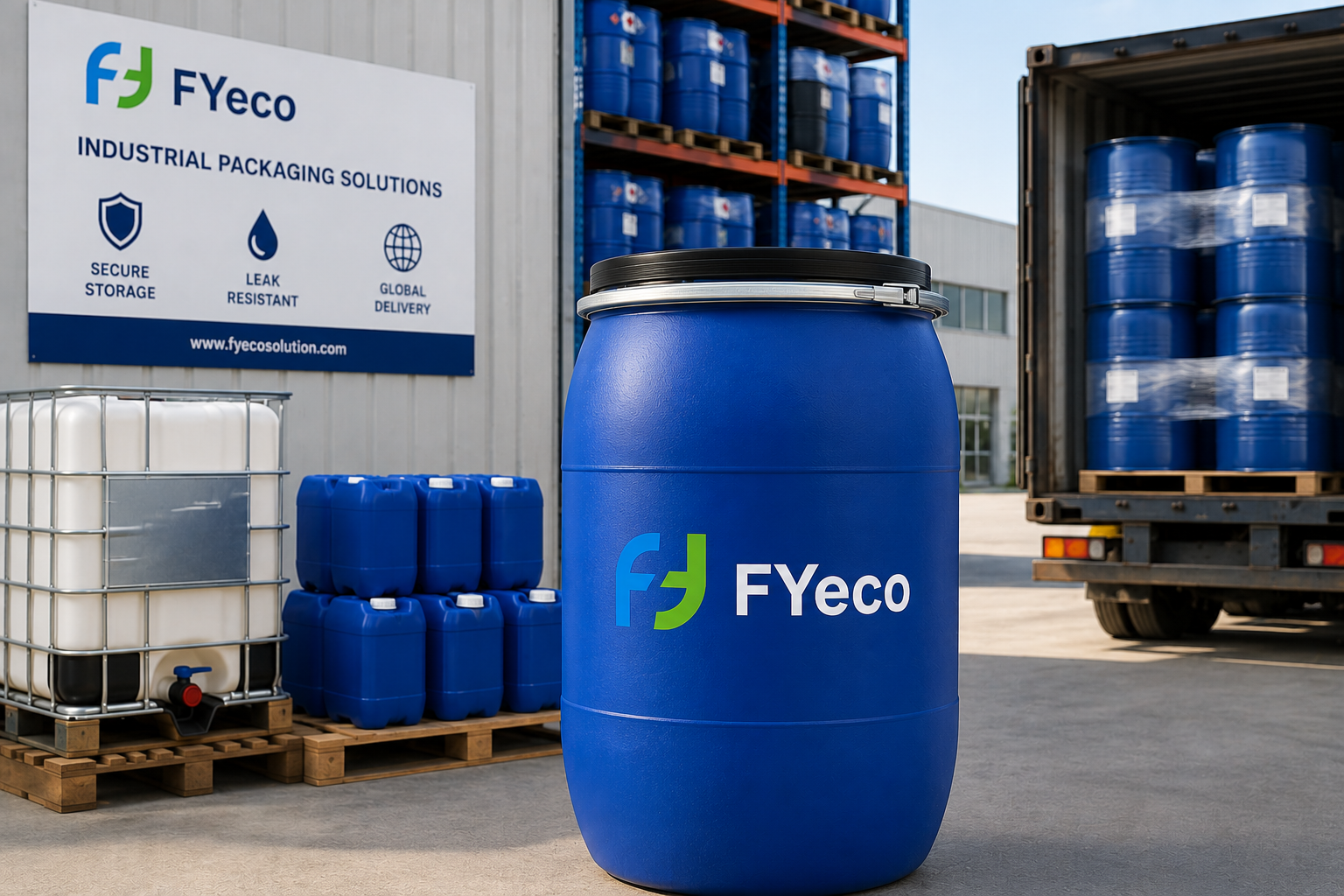
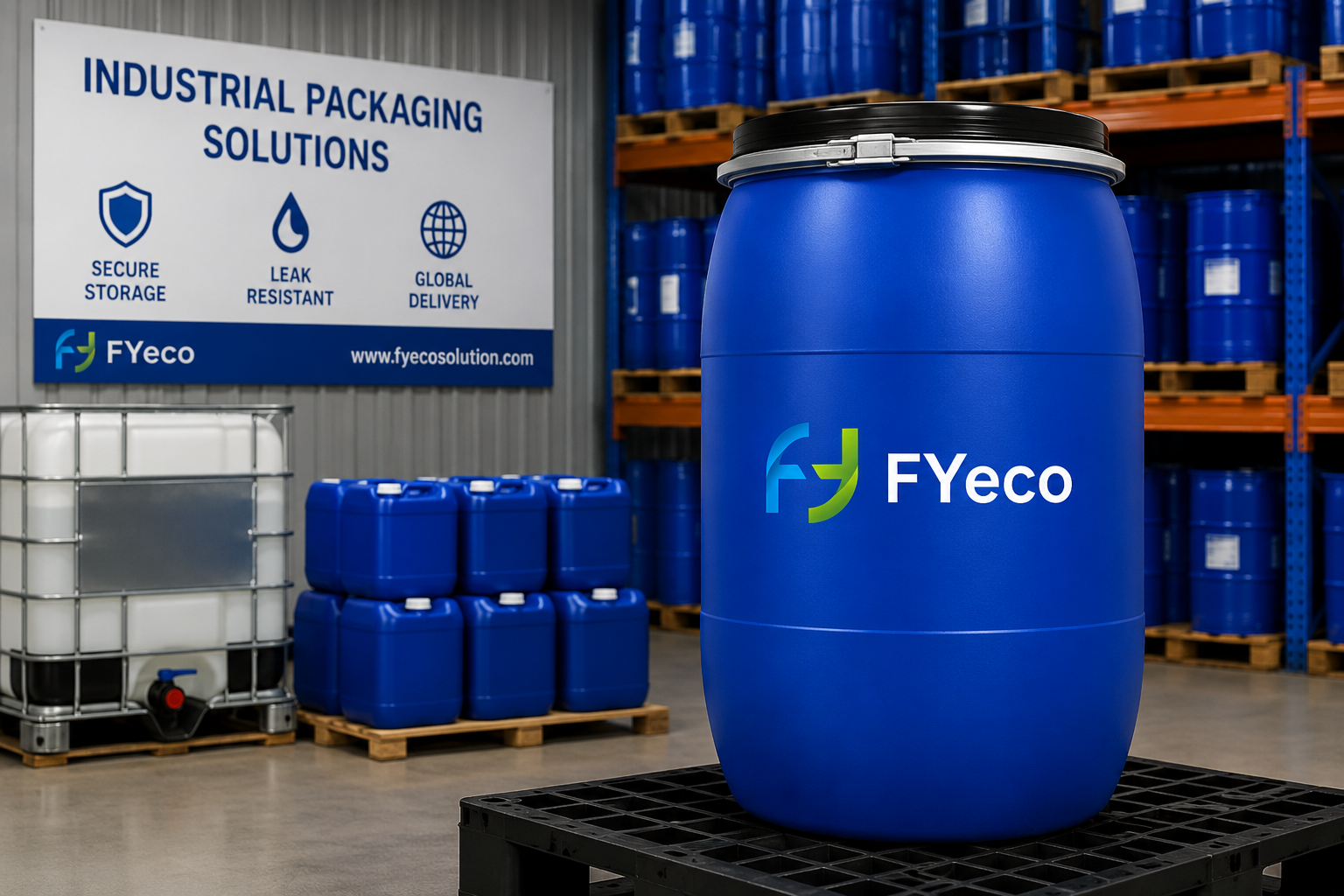
A properly engineered hazardous chemical packaging drum is designed to maintain structural integrity, minimize leakage risk, and remain stable under demanding storage and transport conditions.
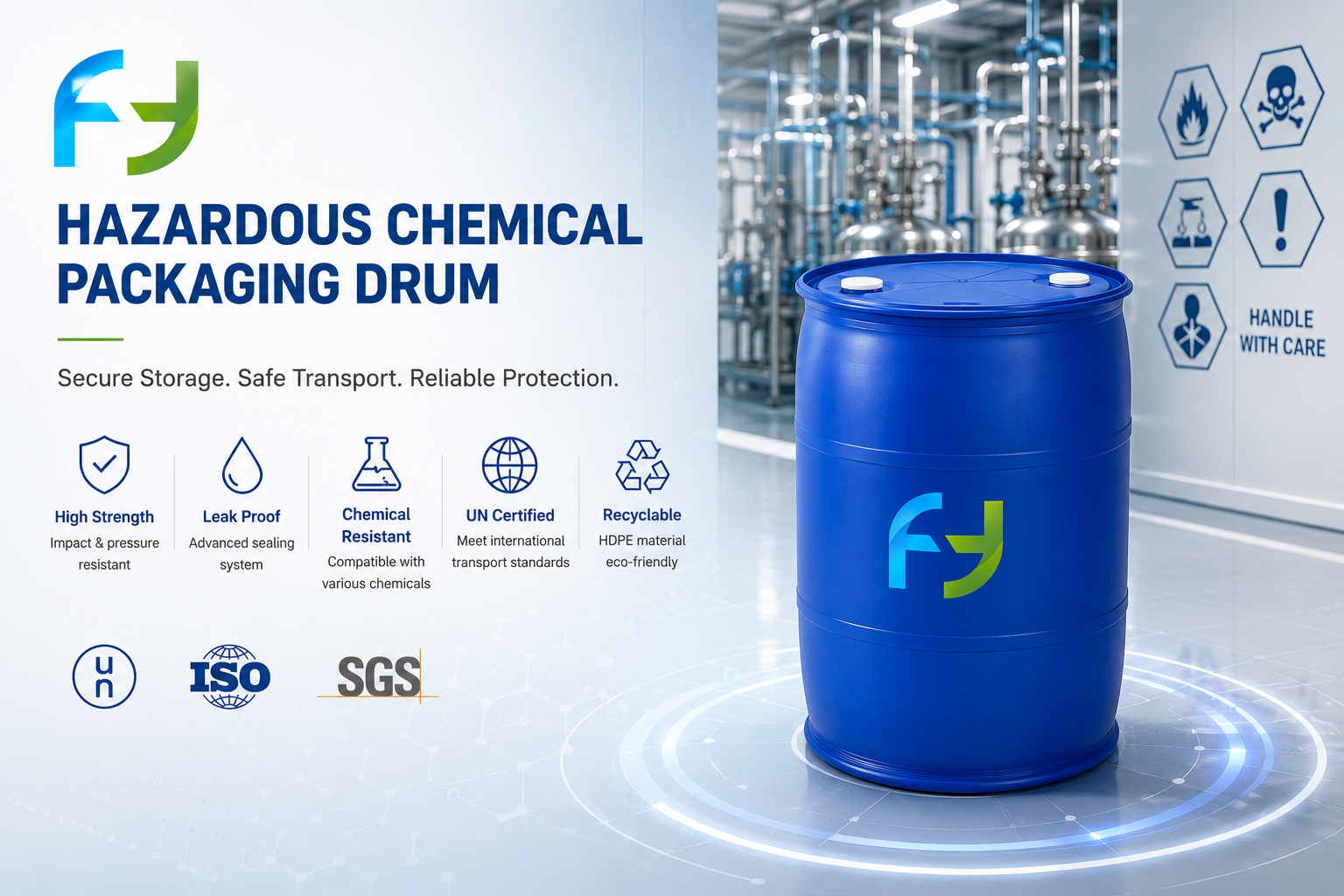
Why Hazardous Chemicals Place Greater Stress on Packaging Systems
Hazardous liquids often create multiple stress factors simultaneously.
During storage and transport, containers may face:
- Internal pressure changes
- Chemical interaction with packaging materials
- Long-term stacking pressure
- Temperature fluctuation during shipping
- Continuous vibration during logistics handling
Under these conditions, standard industrial containers may degrade more quickly than expected.
A reliable hazardous chemical packaging drum must therefore be designed for both chemical compatibility and mechanical durability.
Why HDPE Is Commonly Used for Hazardous Liquid Drums
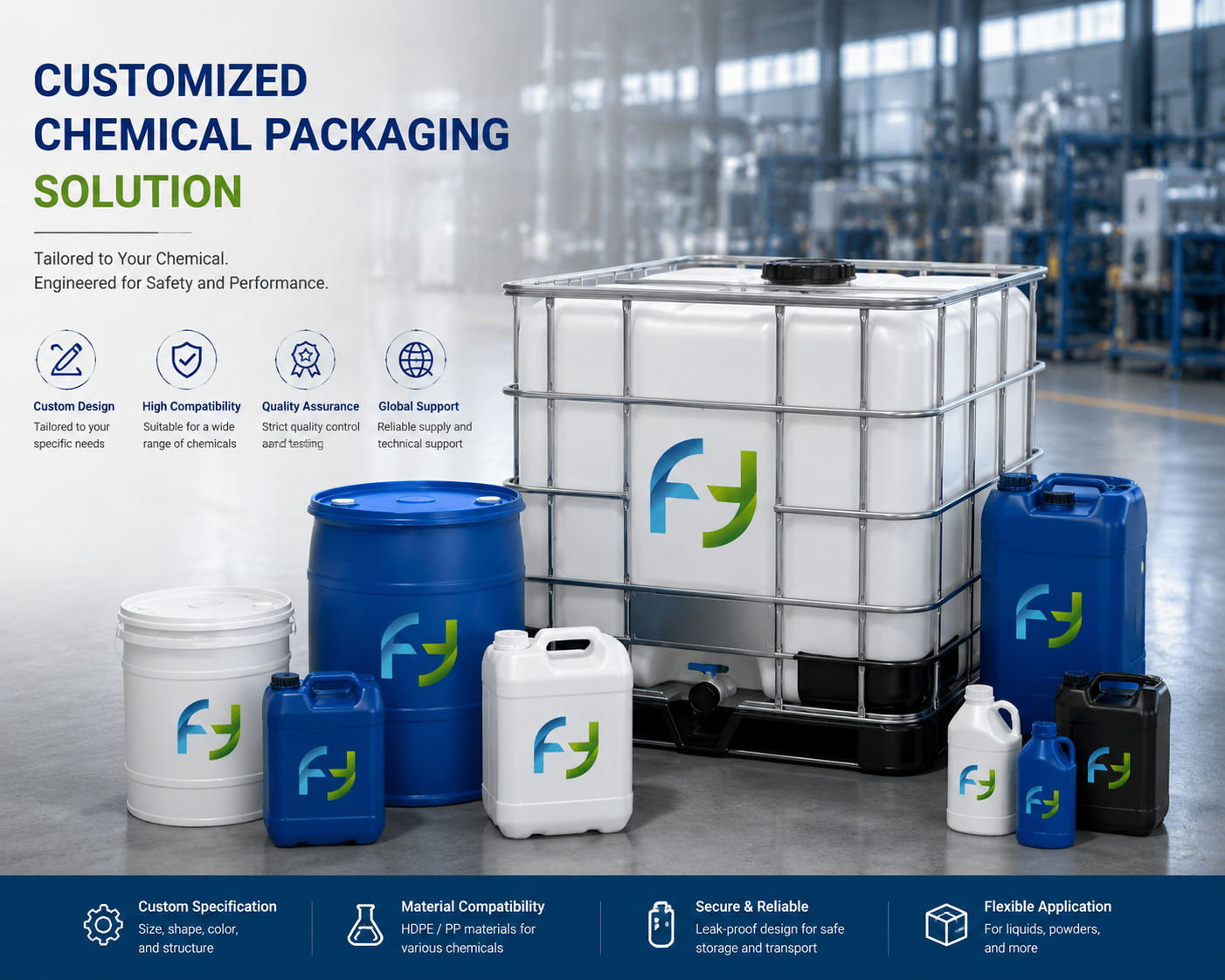
High-density polyethylene (HDPE) is widely used in hazardous chemical packaging because it provides:
- Strong chemical resistance
- High impact durability
- Flexibility without cracking
- Stable performance under temperature variation
However, material selection alone does not guarantee safety.
Manufacturing consistency, wall thickness control, and sealing system quality all affect the long-term reliability of a hazardous chemical packaging drum.
Performance Comparison: Standard Drum vs Hazardous Chemical Drum
| Performance Parameter | Standard Plastic Drum | Hazardous Chemical Packaging Drum |
|---|---|---|
| Leakage risk | 3–5% | <1–2% |
| Impact resistance | Moderate | +40–60% improved |
| Stack load capacity | 2–3 layers | 4–6 layers |
| Chemical compatibility | Basic | Broad industrial resistance |
| Transport stability | Moderate | High |
| Service life | 1–2 years | 3–5 years |
These differences become critical in export transport and industrial storage environments.
Structural Features That Improve Hazardous Liquid Safety
Several design elements directly improve packaging reliability:
- Reinforced ribbing for pressure distribution
- Uniform wall thickness to reduce weak points
- Secure cap and seal system to prevent leakage
- Stable drum base for pallet handling
A properly engineered hazardous chemical packaging drum maintains both sealing integrity and structural stability during long-distance transport.
Application Scenarios Across Industrial Sectors
Hazardous chemical drums are commonly used for:
- Industrial chemical transport
- Corrosive liquid storage
- Coolant and solvent handling
- Water-treatment chemicals
- Export hazardous liquid logistics
Each application introduces different compatibility and transport requirements.
B2B Considerations: What Industrial Buyers Focus On
Industrial buyers generally prioritize long-term operational reliability over short-term cost savings.
Key evaluation factors include:
- UN transport compliance
- Consistent HDPE material quality
- Drum durability under stacking
- Sealing reliability during transport
- Supplier export capability
A dependable hazardous chemical packaging drum supplier provides documentation, quality assurance, and technical support alongside the product itself.
Common Problems Caused by Low-Quality Hazardous Drums
Operational failures often begin gradually:
- Leakage around caps or fittings
- Drum deformation under stacking pressure
- Surface cracking caused by temperature changes
- Seal instability during vibration transport
These issues usually indicate weaknesses in material quality or structural design.
Frequently Asked Questions
Q: Are HDPE drums suitable for hazardous chemicals?
Yes, when compatible materials and certified designs are used.
Q: What certifications are important for hazardous packaging?
UN certification is commonly required for transport compliance.
Q: Can hazardous chemical drums be reused?
Many are reusable depending on chemical compatibility and condition.
Reliable Hazardous Packaging Starts with the Right Drum System
Hazardous liquid storage and transport require packaging systems designed for safety, durability, and regulatory compliance. The right drum reduces operational risk across the entire logistics process.
Explore Hazardous Chemical Packaging Solutions
You can explore FYeco’s industrial packaging products here:
https://www.fyecosolution.com/products
Discuss Your Packaging Requirements
For hazardous liquid packaging specifications or export solutions, contact FYeco here:
https://www.fyecosolution.com/contact-us