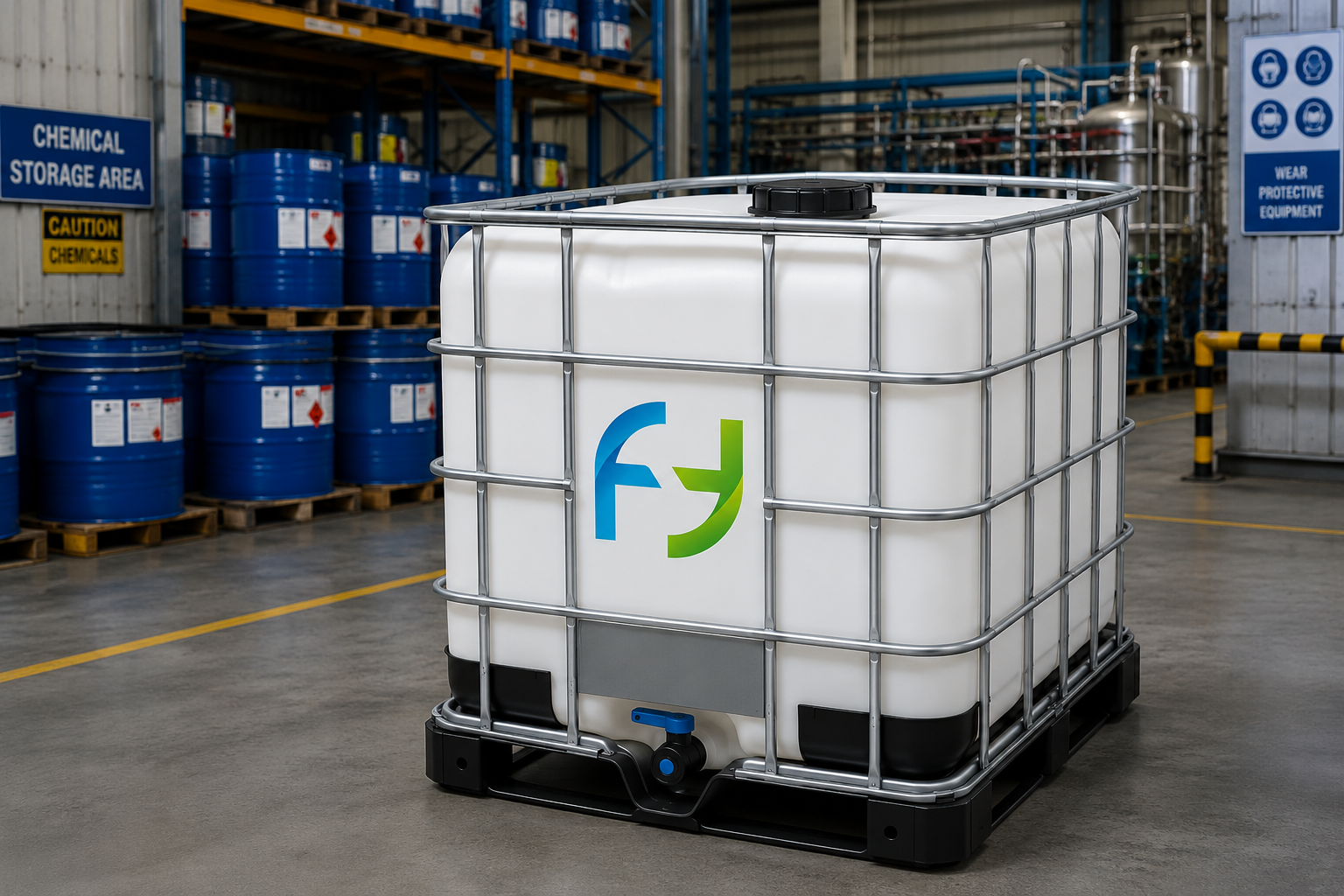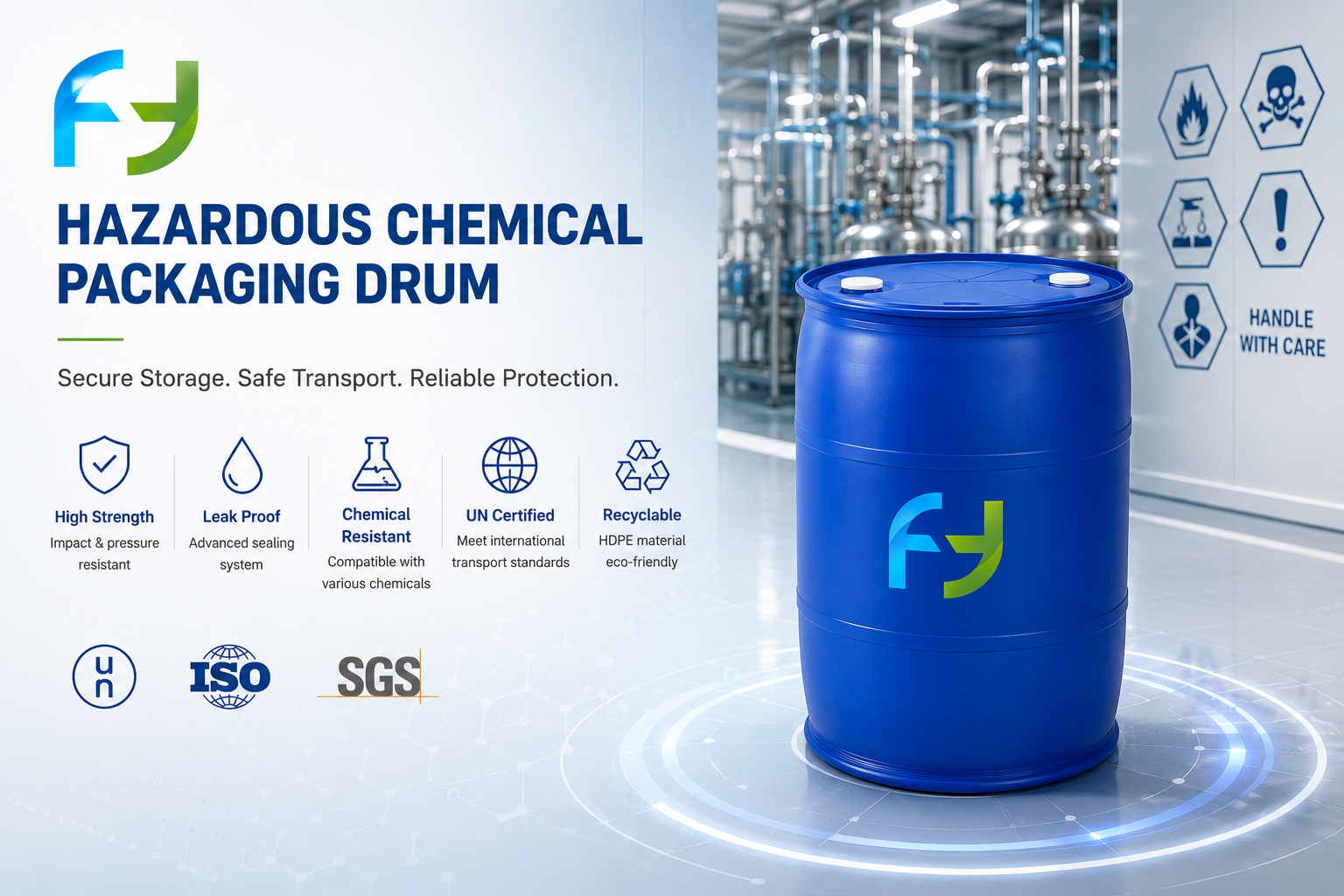

Leaks rarely start as catastrophic failures. More often, they begin with small changes—slight deformation under load, micro-cracks caused by chemical stress, or gradual weakening of the container wall.
For chemical distributors, coolant manufacturers, and industrial buyers, these issues can escalate quickly. A compromised drum doesn’t just risk product loss; it introduces safety hazards, compliance issues, and logistical disruption.
Yet many problems trace back to one decision point: container selection.
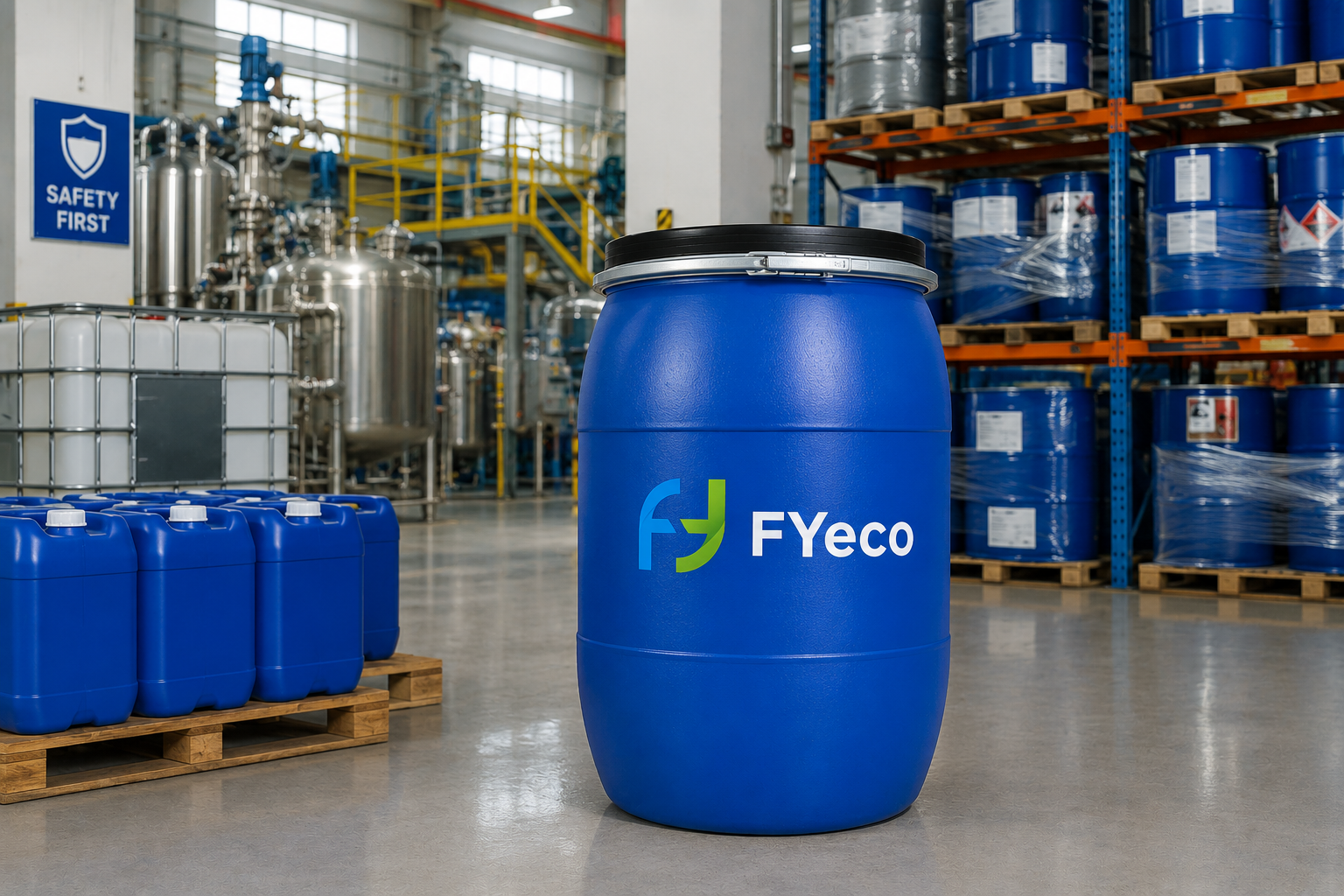
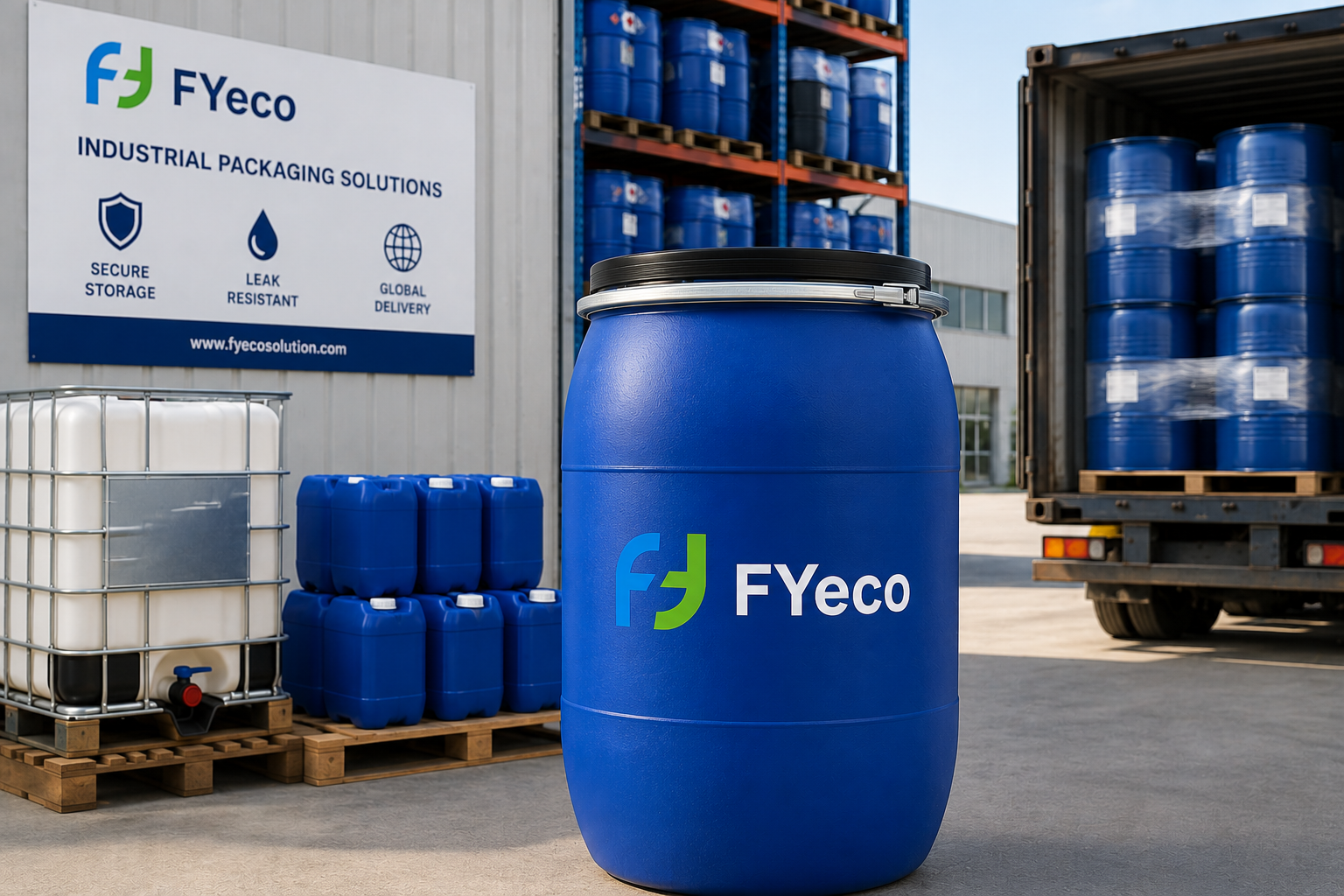
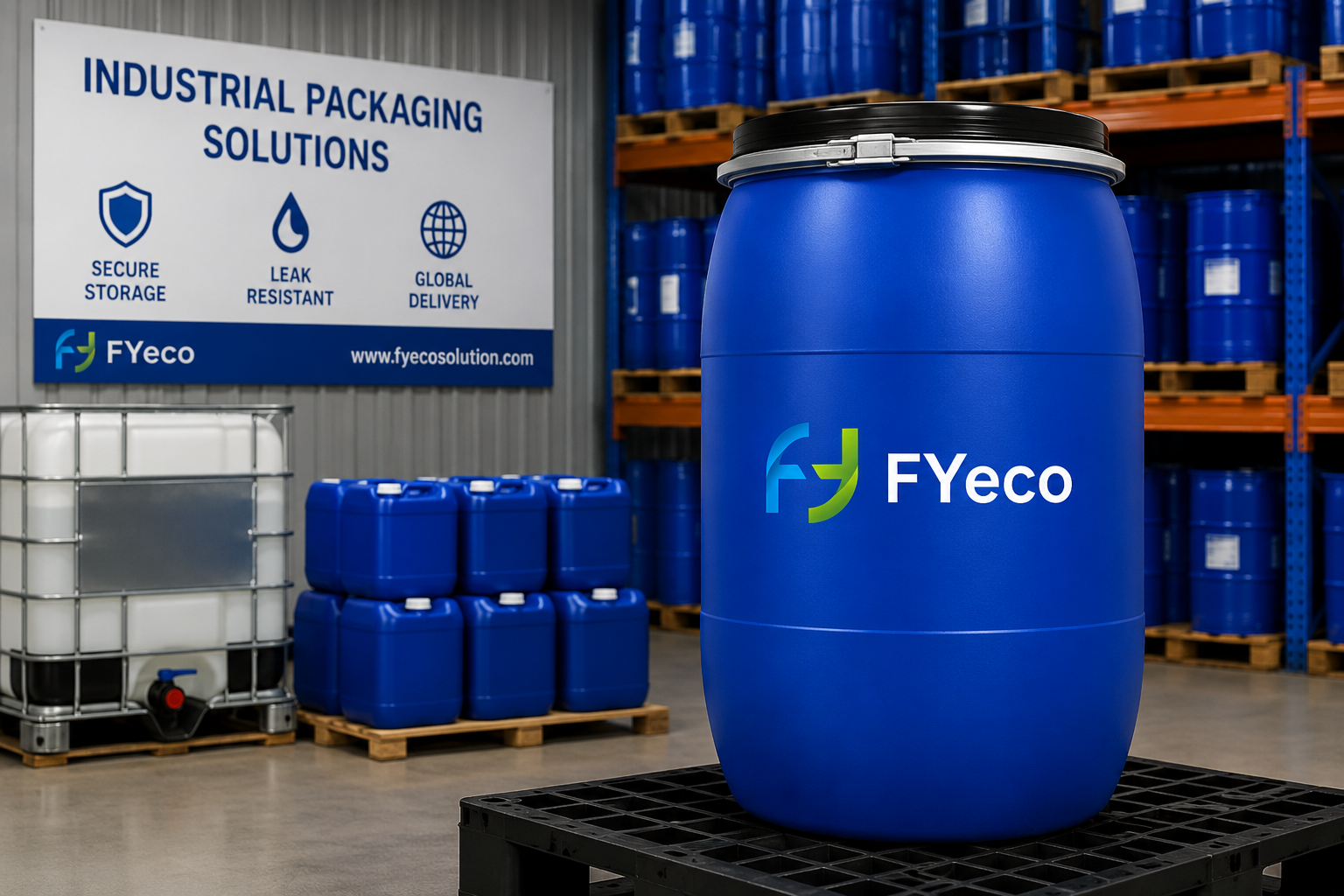
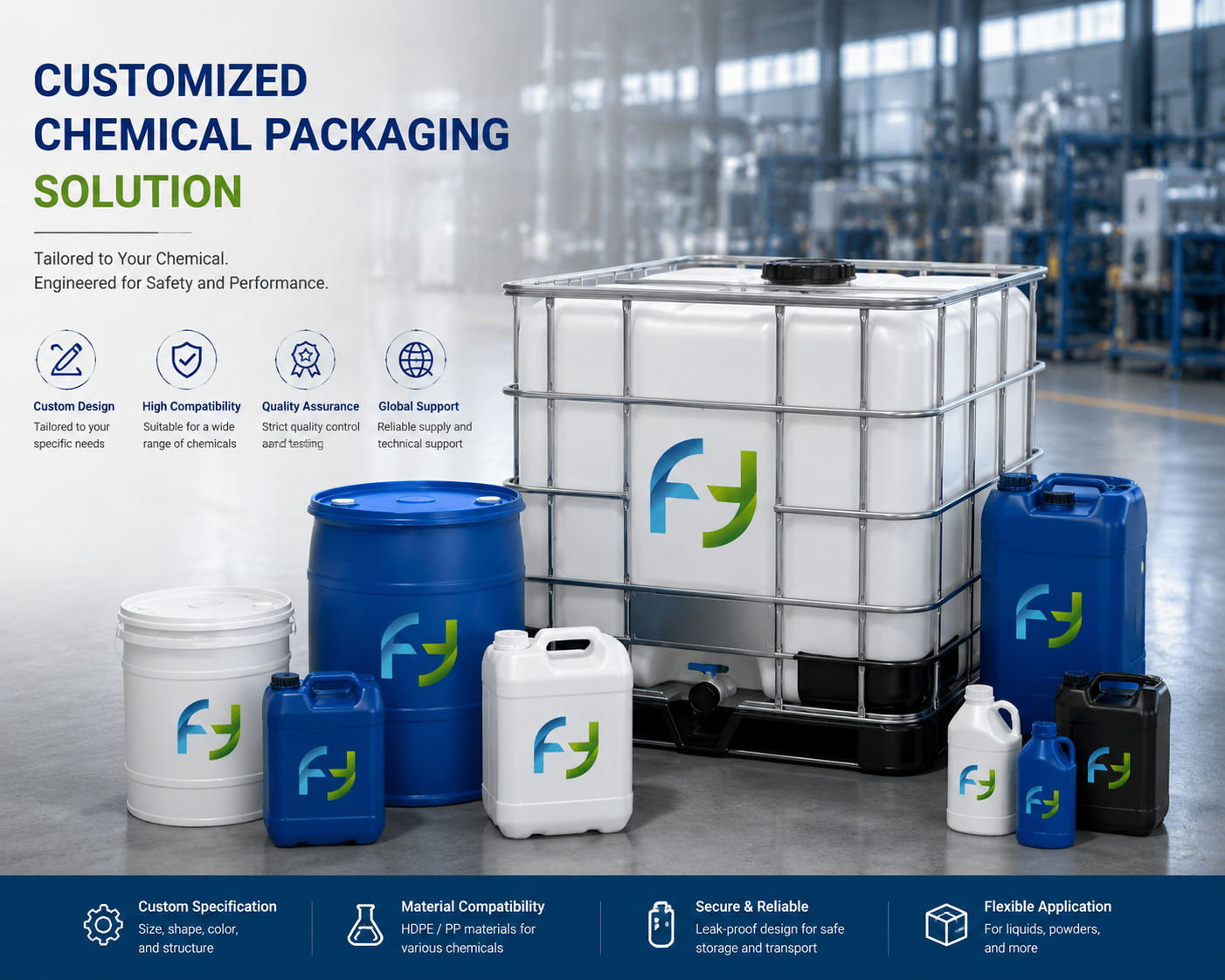
An experienced hdpe chemical drum manufacturer doesn’t simply produce containers. The role is closer to engineering a protective system—one that must withstand chemical interaction, temperature fluctuation, stacking pressure, and transportation stress over time.
At FYeco, drum design is approached from this perspective. Material selection, wall structure, and manufacturing control are aligned to ensure reliability beyond basic storage.
Why HDPE Remains the Preferred Material for Chemical Drums
High-density polyethylene is widely used in chemical packaging for a reason. It offers a combination of properties that few materials can match in industrial environments.
HDPE resists a wide range of acids, alkalis, and organic chemicals. It maintains structural integrity under impact. It also performs well across a broad temperature range, from cold storage to moderate heat exposure.
However, not all HDPE drums perform equally. Resin quality, molecular weight distribution, and manufacturing process all influence durability.
A qualified hdpe chemical drum manufacturer controls these variables carefully, ensuring that the final product meets both chemical compatibility and mechanical strength requirements.
Structural Design: More Than Just Thickness
It’s tempting to evaluate a drum based on wall thickness alone. In practice, performance depends on overall structural design.
Key factors include:
- Ribbing patterns that improve load distribution
- Uniform wall thickness to prevent stress concentration
- Reinforced base structure for stacking stability
- Neck and closure design to minimize leakage risk
Poor structural balance can lead to deformation under stacking loads, even if the material itself is strong.
A well-designed drum from a reliable hdpe chemical drum manufacturer maintains shape and sealing performance even under prolonged storage and transport conditions.
Performance Comparison: Standard vs Industrial-Grade HDPE Drums
| Performance Parameter | Standard Plastic Drum | Industrial-Grade HDPE Drum |
|---|---|---|
| Impact resistance | Moderate | High (+40–60%) |
| Chemical resistance range | Limited | Broad (acid/alkali stable) |
| Stack load capacity | 2–3 layers | 4–5 layers (+50–70%) |
| Leakage risk | Medium | Low (<2% defect rate) |
| UV resistance | Basic | Enhanced (+30–50% lifespan) |
| Service life | 1–2 years | 3–5 years |
These differences often determine whether a container performs reliably across its intended lifecycle.
Matching Drum Specifications to Chemical Applications
Different chemicals impose different stress profiles on containers.
Corrosive liquids require higher chemical resistance and stable sealing performance. Temperature-sensitive products demand materials that do not become brittle or deform under fluctuation.
Transport conditions also matter. Long-distance logistics introduce vibration, stacking pressure, and handling impact.
This is why selecting a hdpe chemical drum manufacturer involves more than choosing a standard product. Specifications must align with the chemical being stored and the environment in which it is handled.
B2B Considerations: Beyond Basic Product Specs
For distributors and manufacturers, container selection is tied closely to operational risk.
Consistency across batches is essential. Variations in material quality or molding process can lead to unpredictable performance.
Regulatory compliance also plays a role. Many markets require certification for chemical packaging, including UN standards for hazardous materials.
Technical support can make a difference. Buyers often need guidance on compatibility, storage conditions, and transportation requirements.
A reliable hdpe chemical drum manufacturer provides not only products, but also documentation, testing data, and application support.
Common Signs of Container Performance Issues
In real operations, container problems often appear gradually:
- Slight bulging after filling
- Increased leakage during transport
- Difficulty maintaining seal integrity
- Reduced stacking stability over time
These signs indicate that the drum may not be suited to the application conditions.
Frequently Asked Questions
Q: Are HDPE drums suitable for all chemicals?
Not all. Compatibility depends on the chemical composition and concentration.
Q: How long can HDPE chemical drums be used?
Typically 3–5 years, depending on usage conditions and material quality.
Q: What certifications are important for chemical drums?
UN certification is commonly required for hazardous material transport.
Reliable Packaging Starts with Material and Design Balance
Chemical storage and transport depend heavily on container integrity. Small weaknesses in material or design can lead to larger operational risks over time.
Explore HDPE Chemical Drum Solutions
If you are sourcing chemical containers or evaluating packaging options, reviewing available HDPE drum solutions can help ensure compatibility and long-term reliability. You can explore FYeco’s product offerings here:
https://www.fyecosolution.com/products
Discuss Your Packaging Requirements
For applications involving specific chemicals, transport conditions, or regulatory requirements, discussing your needs with a technical team can help define the most suitable packaging solution. You can contact FYeco here:
https://www.fyecosolution.com/contact-us