
In chemical storage, choosing the right container is rarely about size alone. A drum may meet volume requirements, pass initial inspection, and still fail under real conditions.
The issue often lies in compatibility.
Different liquid chemicals behave differently inside a container. Some react slowly with plastic. Others generate internal pressure changes. A few may weaken structural integrity over time without visible warning.
For manufacturers, distributors, and exporters, these risks are not theoretical. They directly affect product safety, transport reliability, and compliance.
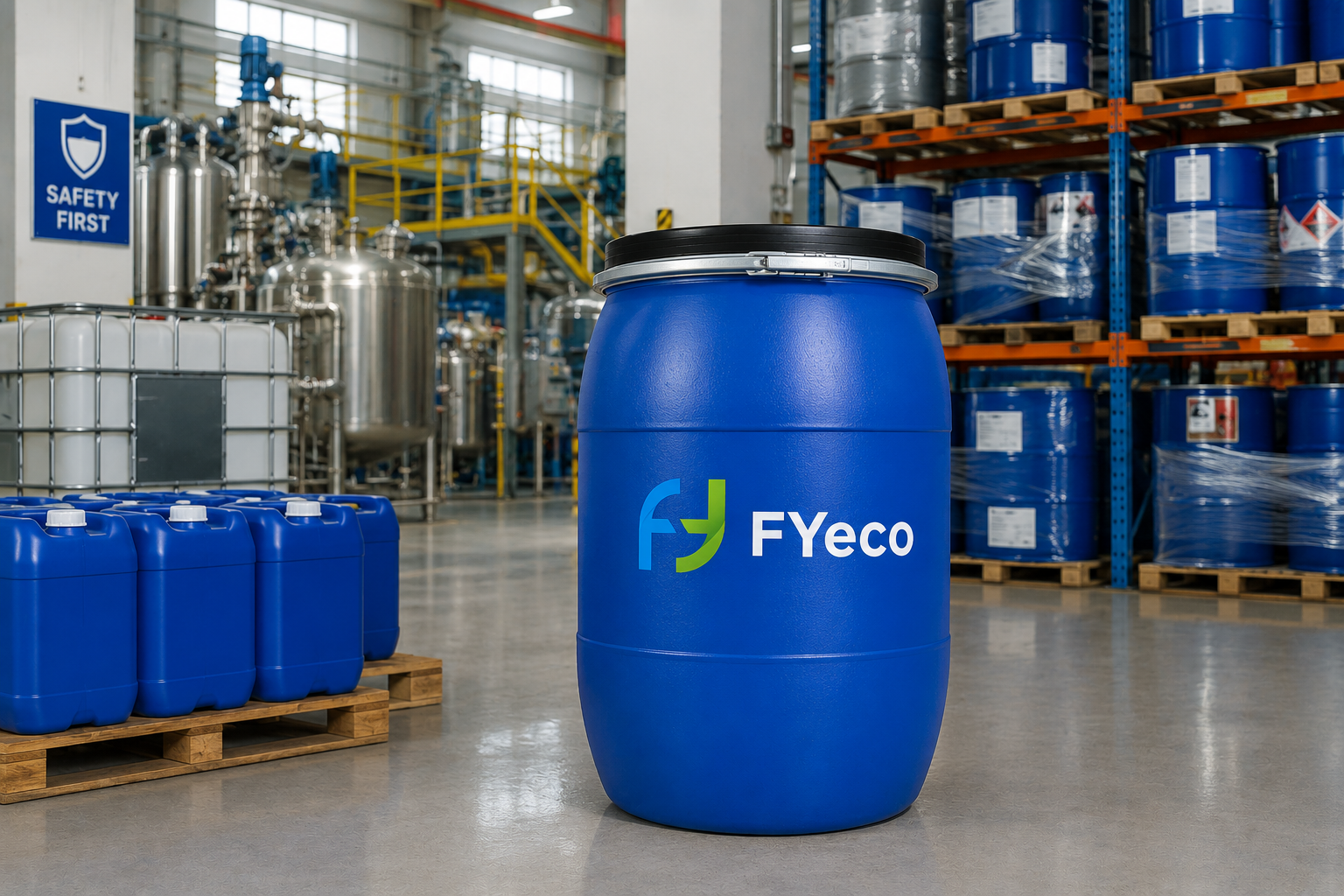
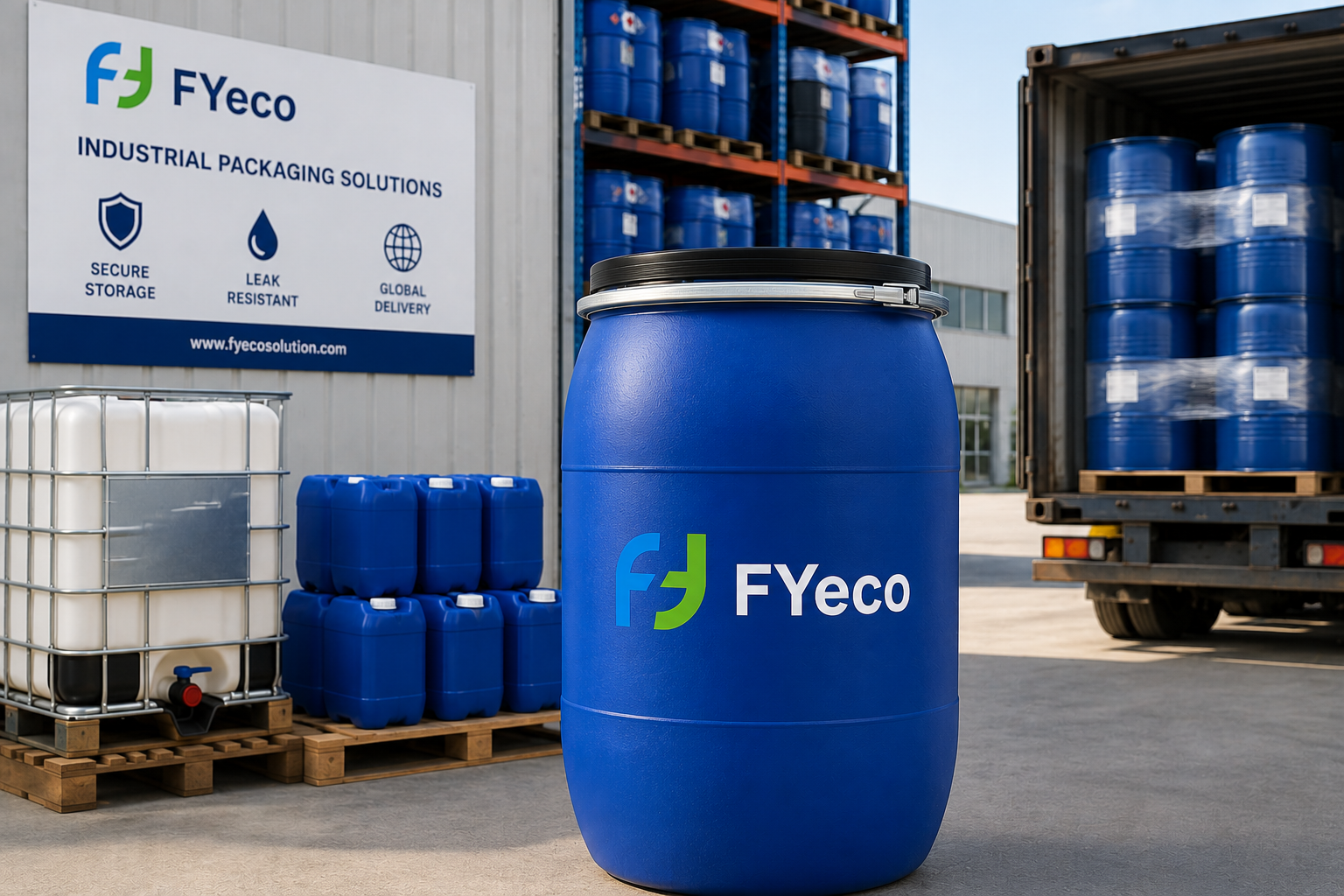
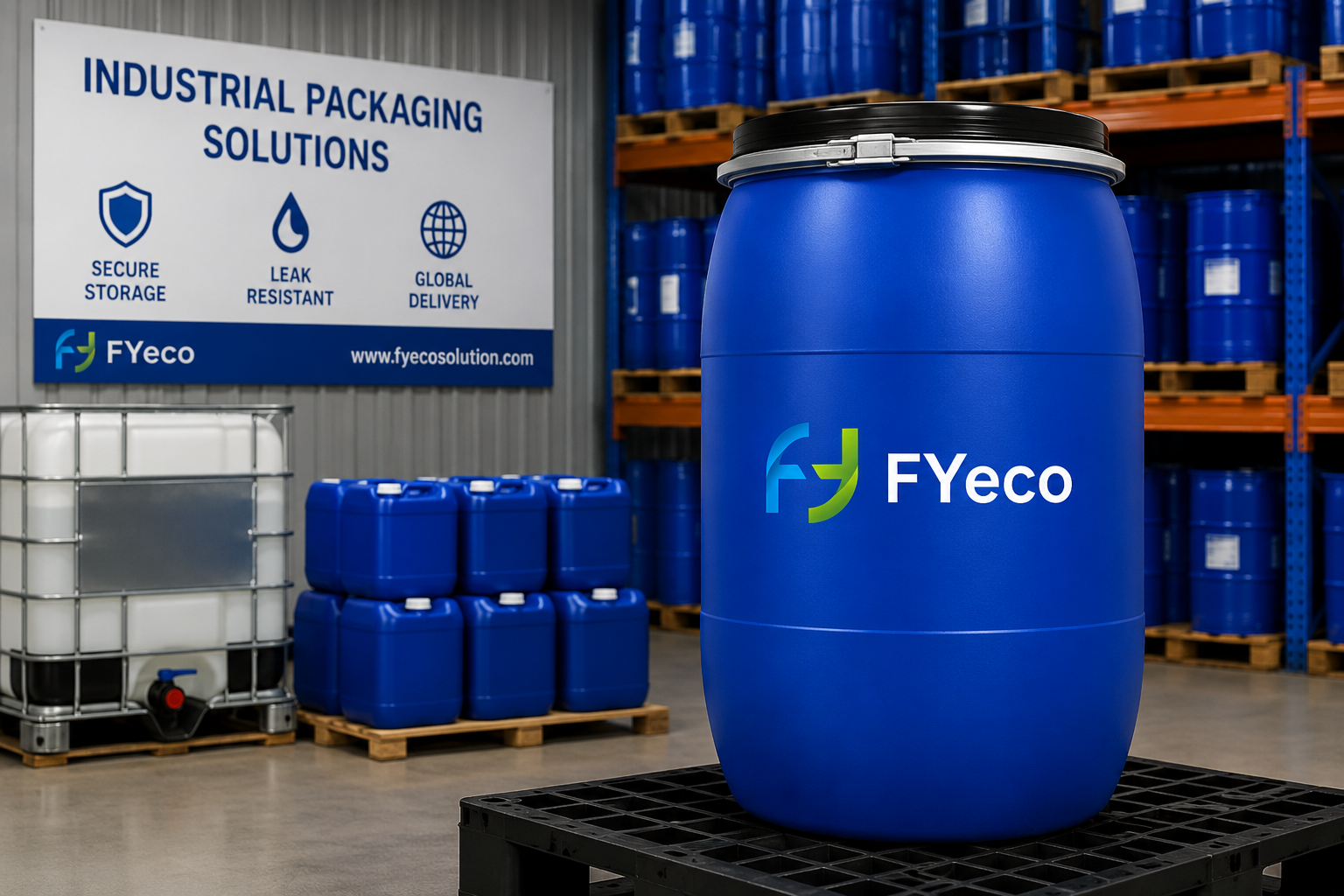
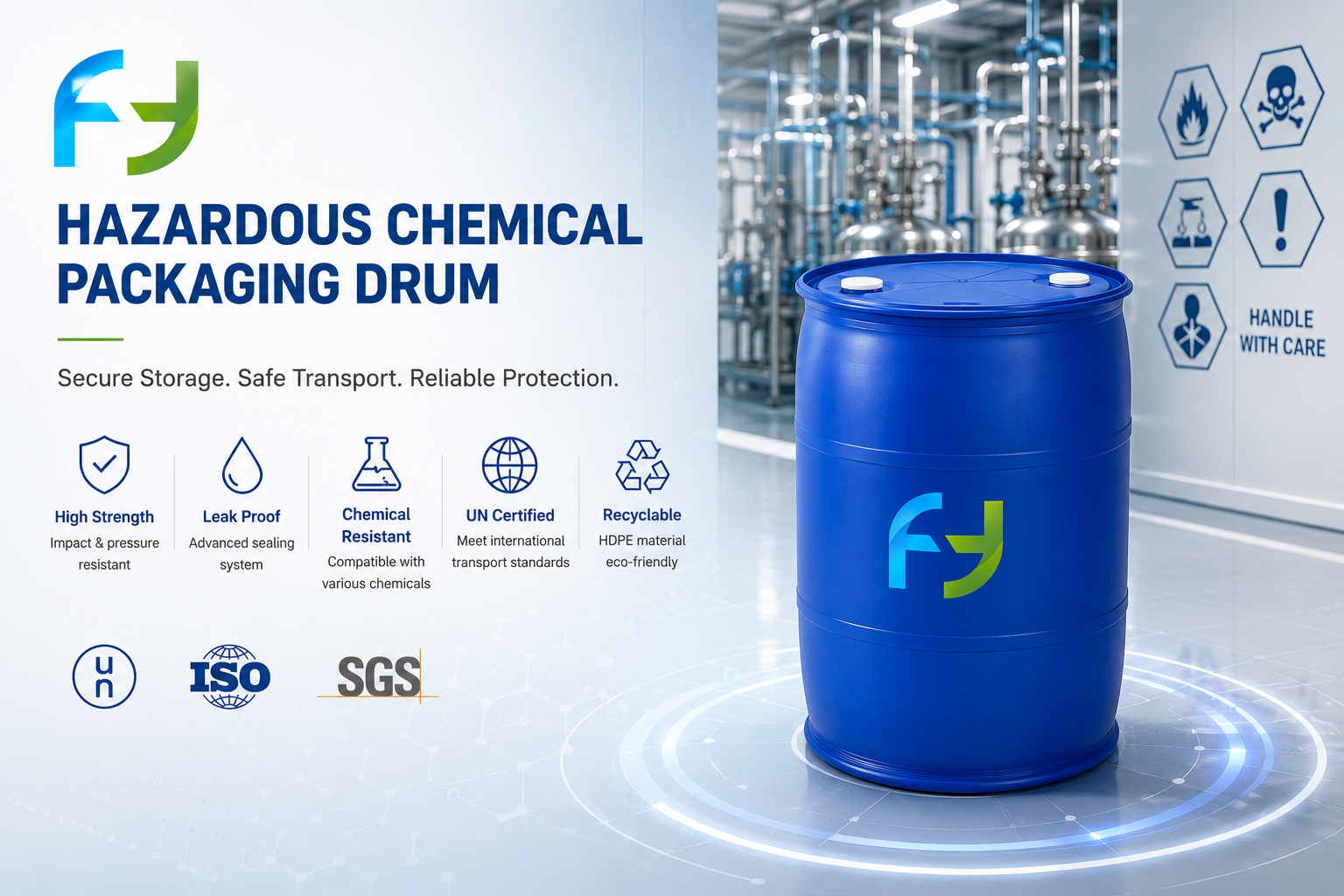
A properly selected hdpe drum for liquid chemicals addresses these challenges by combining material stability with structural design, ensuring performance does not degrade under real-world conditions.
Why HDPE Is Widely Used for Liquid Chemical Storage
HDPE has become a standard material for chemical drums because it offers a balanced combination of properties.
It resists a wide range of acids, alkalis, and industrial liquids. It absorbs impact without cracking. It also maintains flexibility under temperature variation.
However, performance depends heavily on material quality and processing control. Poor resin quality or inconsistent molding can reduce chemical resistance and durability.
A high-quality hdpe drum for liquid chemicals ensures uniform structure and stable material performance across batches.
How Different Chemicals Affect Drum Performance
Not all liquid chemicals interact with HDPE in the same way.
- Strong acids may gradually affect surface integrity
- Organic solvents can alter material flexibility
- Temperature-sensitive liquids expand and contract
- Reactive chemicals may increase internal pressure
These effects are often slow but cumulative.
A suitable hdpe drum for liquid chemicals must be selected based on the specific chemical properties rather than general assumptions.
Performance Comparison: Standard vs Chemical-Grade HDPE Drums
| Performance Parameter | Standard Plastic Drum | HDPE Drum for Liquid Chemicals |
|---|---|---|
| Chemical compatibility | Moderate | High (broad resistance) |
| Impact resistance | Basic | +40–60% improved |
| Leakage risk | 3–5% | <1–2% defect rate |
| Stack load capacity | 2–3 layers | 4–6 layers |
| Temperature tolerance | Limited | Stable across wide range |
| Service life | 1–2 years | 3–5 years |
These differences become critical when drums are used for storage, transport, or export.
Structural Design: Preventing Failure Under Real Conditions
Material alone does not guarantee performance. Structural design plays a major role.
Key elements include:
- Uniform wall thickness to prevent stress points
- Reinforced ribs for load distribution
- Stable base for stacking
- Secure sealing system to prevent leakage
Even minor design flaws can lead to deformation or leakage under pressure.
A well-engineered hdpe drum for liquid chemicals maintains structural integrity throughout handling and transport.
Application Scenarios Across Industries
HDPE drums are used across a wide range of industries:
- Chemical manufacturing → corrosive liquid storage
- Coolant and lubricant production → long-term stability
- Export logistics → stacking and transport durability
- Industrial processing → resistance to contamination
Each application introduces different requirements.
Selecting the right hdpe drum for liquid chemicals depends on aligning drum specifications with actual use conditions.
B2B Considerations: What Buyers Should Focus On
Industrial buyers typically evaluate more than just product appearance.
Key factors include:
- Consistent production quality
- Compliance with safety and transport regulations
- Material traceability
- Supplier reliability
A dependable hdpe drum for liquid chemicals supplier provides documentation, testing data, and technical support.
Common Signs of Improper Drum Selection
Problems often appear gradually:
- Slight deformation after filling
- Increased leakage during transport
- Seal performance degradation
- Reduced stacking stability
These issues indicate a mismatch between drum specification and application.
Frequently Asked Questions
Q: Can all liquid chemicals be stored in HDPE drums?
Not all. Compatibility must be verified based on chemical composition.
Q: Are HDPE drums suitable for long-term storage?
Yes, when properly matched to the chemical and environment.
Q: What certifications are important for export?
UN certification is commonly required for hazardous materials.
Choosing the Right Drum Means Reducing Long-Term Risk
Chemical storage is not just about containment—it’s about stability, safety, and reliability over time. The right drum prevents problems before they appear.
Explore HDPE Drum Solutions
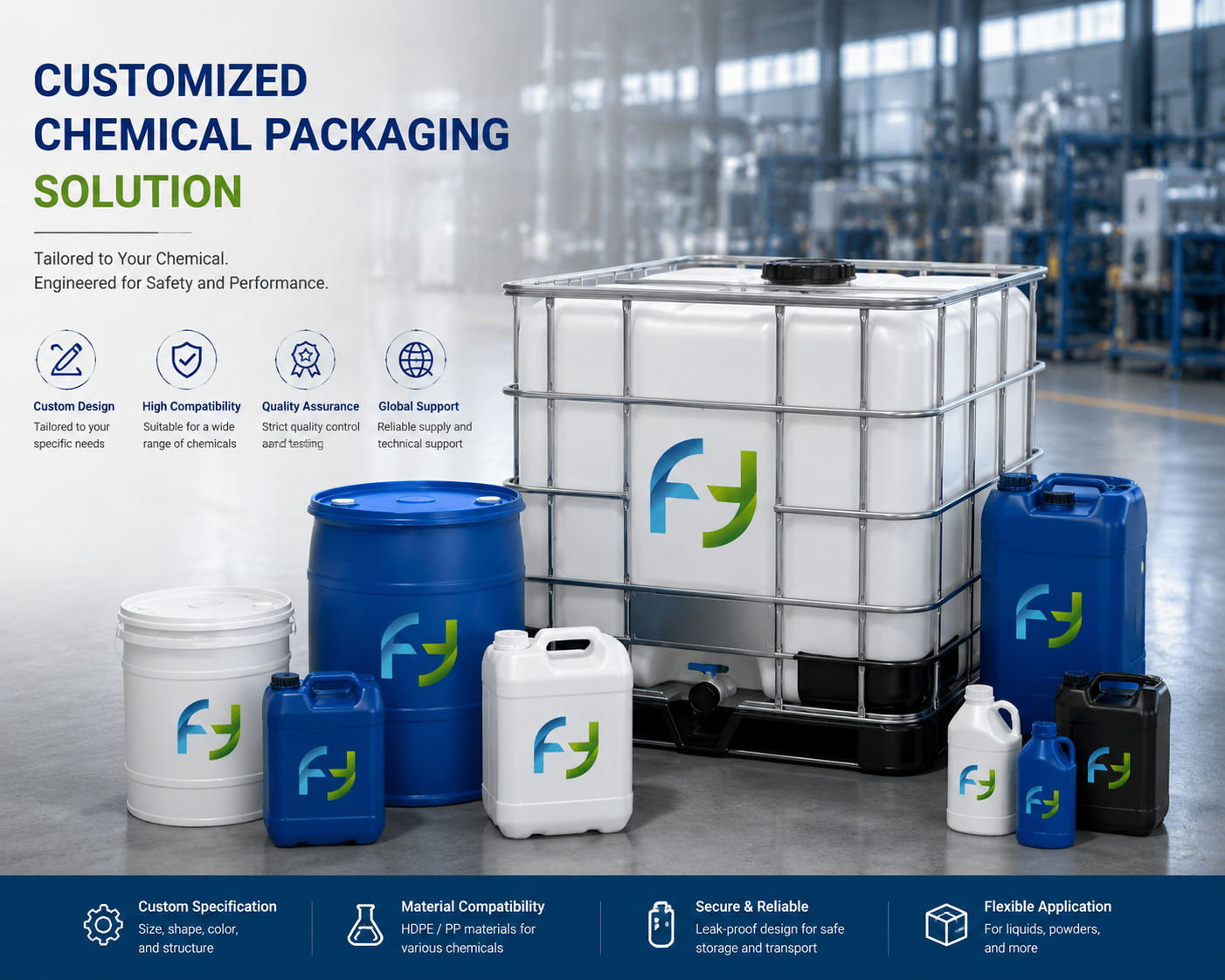
If you are sourcing containers for liquid chemicals, you can explore FYeco’s product range here:
https://www.fyecosolution.com/products
Discuss Your Application Requirements
For specific chemical compatibility or custom drum specifications, you can contact FYeco here:
https://www.fyecosolution.com/contact-us