
As liquid volumes increase, storage challenges change completely. Small packaging inefficiencies that seem manageable at low volume quickly become operational problems in large-scale environments.
Drums require more handling. Warehouse space becomes harder to optimize. Transport costs rise. At the same time, the risks associated with leakage or contamination become significantly more serious.
For chemical manufacturers, coolant suppliers, and industrial distributors, choosing the right storage system is no longer just a packaging decision—it becomes part of operational efficiency and safety management.
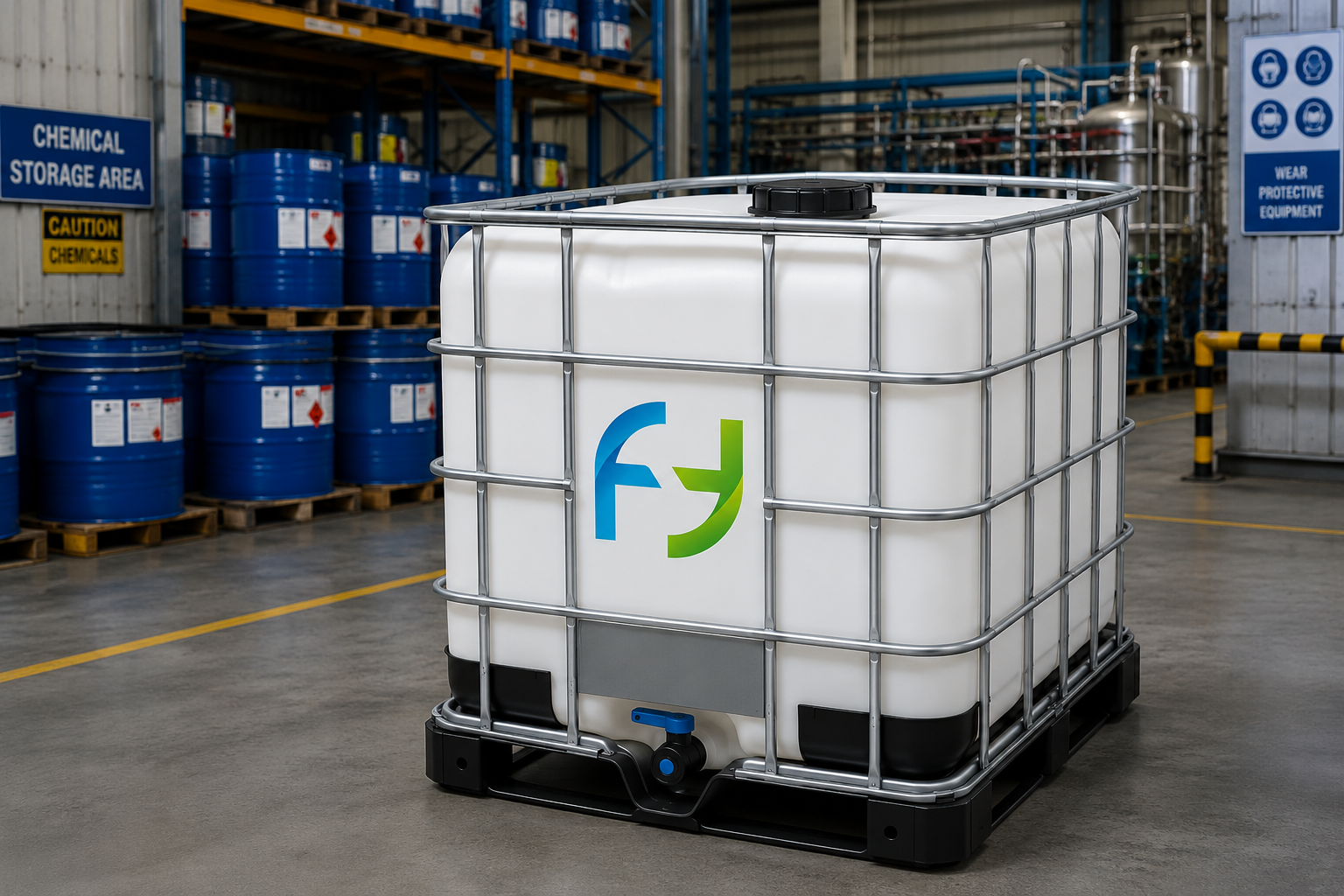
This is why an IBC tank for chemicals is widely used across industrial liquid applications. Instead of focusing only on containment, it is designed to improve handling efficiency, reduce transport complexity, and maintain stable chemical storage conditions.
Why IBC Tanks Are Preferred for Bulk Chemical Storage
Intermediate Bulk Containers (IBCs) are commonly used for liquids ranging from industrial chemicals to coolants and water-treatment solutions.
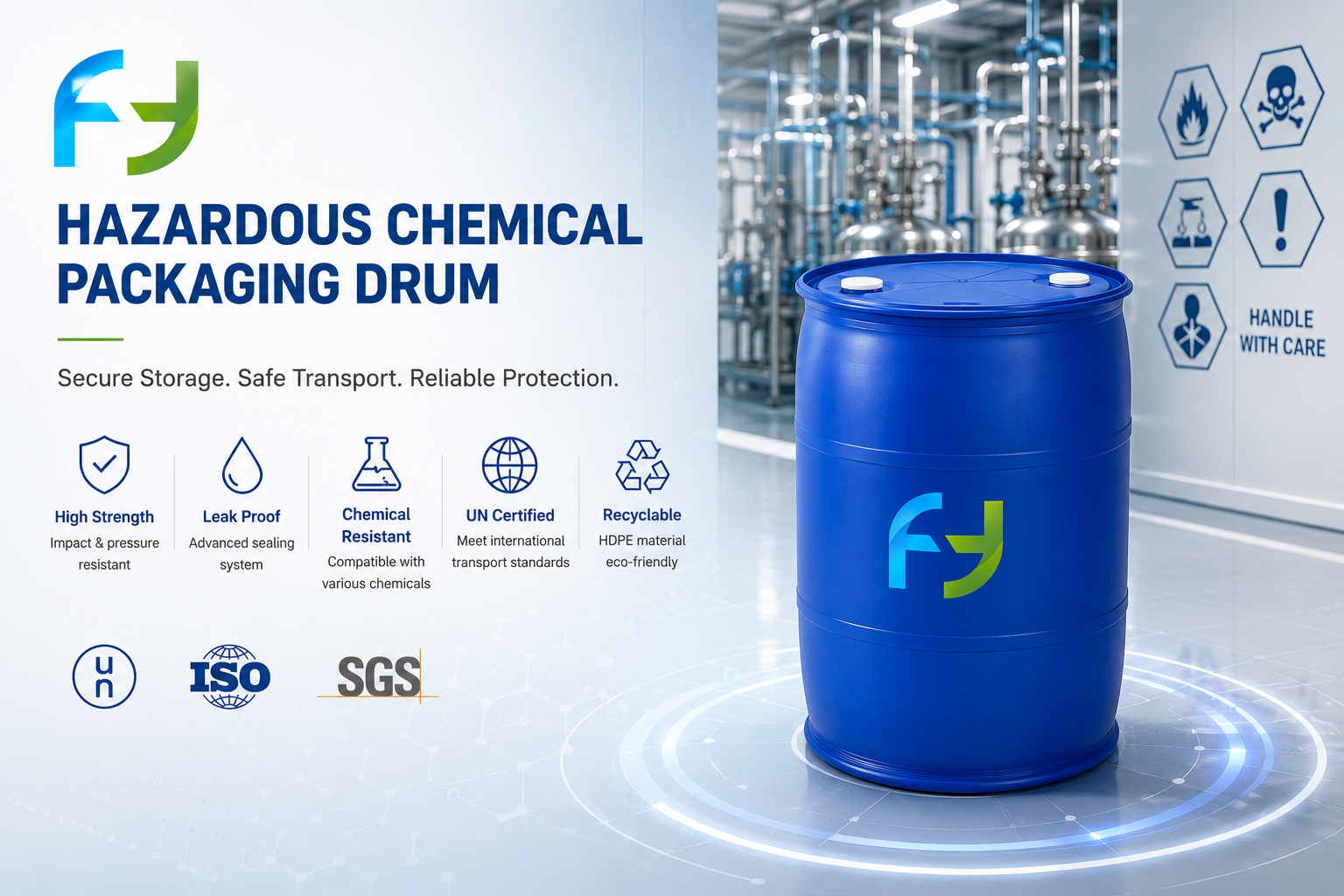
Compared with standard drums, they offer several advantages:
- Larger storage capacity per unit
- Improved palletized transport efficiency
- Reduced packaging waste per liter
- Easier forklift handling
A properly manufactured IBC tank for chemicals also improves warehouse organization by reducing the number of individual containers required.
Structural Design: Combining Chemical Resistance and Mechanical Protection
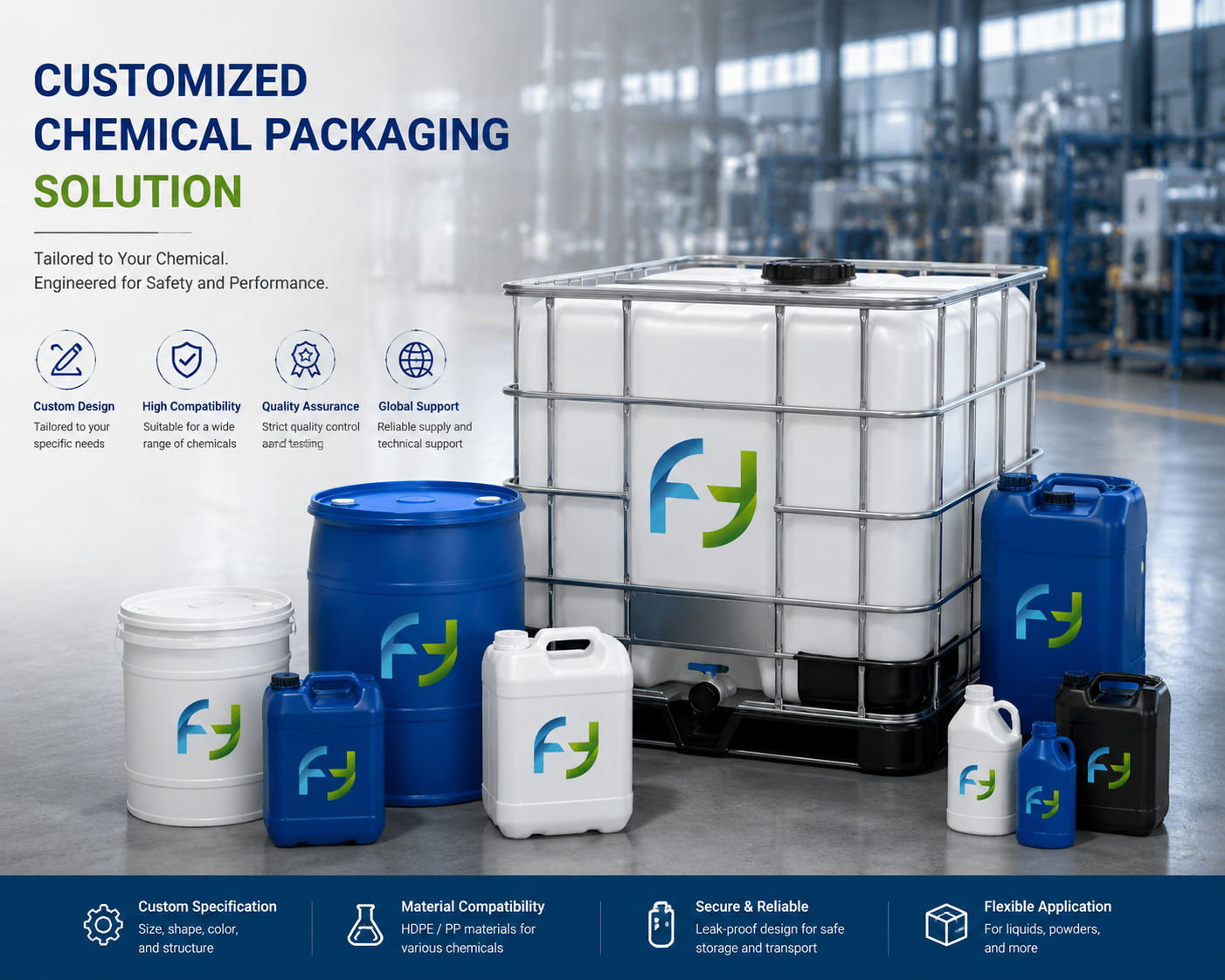
IBC systems are built around a composite structure.
The inner container is typically made from HDPE, selected for its resistance to acids, alkalis, and industrial liquids. Around this sits a galvanized steel cage, designed to protect the tank during transport and stacking.
The pallet base supports forklift movement and improves stability during loading.
A reliable IBC tank for chemicals must balance all three elements—chemical compatibility, structural integrity, and handling performance.
Performance Comparison: IBC Tank vs Standard Drum Storage
| Performance Parameter | 200L Plastic Drum | IBC Tank for Chemicals |
|---|---|---|
| Storage capacity | 200 liters | 1000 liters |
| Space efficiency | Moderate | +40–60% higher |
| Handling efficiency | Manual / forklift | Forklift optimized |
| Packaging cost per liter | Higher | Lower (-20–30%) |
| Stack stability | Moderate | High |
| Reusability | Limited | Multiple cycles |
These differences become increasingly important in high-volume operations.
Why Chemical Compatibility Matters
Not every chemical behaves the same way inside a storage tank.
Some liquids create internal pressure changes. Others gradually interact with container materials. Temperature-sensitive chemicals may expand and contract significantly during storage or transport.
A properly selected IBC tank for chemicals must therefore be matched to the specific application rather than treated as a universal solution.
Key considerations include:
- Chemical concentration
- Temperature exposure
- Storage duration
- Transport conditions
Ignoring these factors can shorten container lifespan or increase leakage risk.
Application Scenarios Across Industries
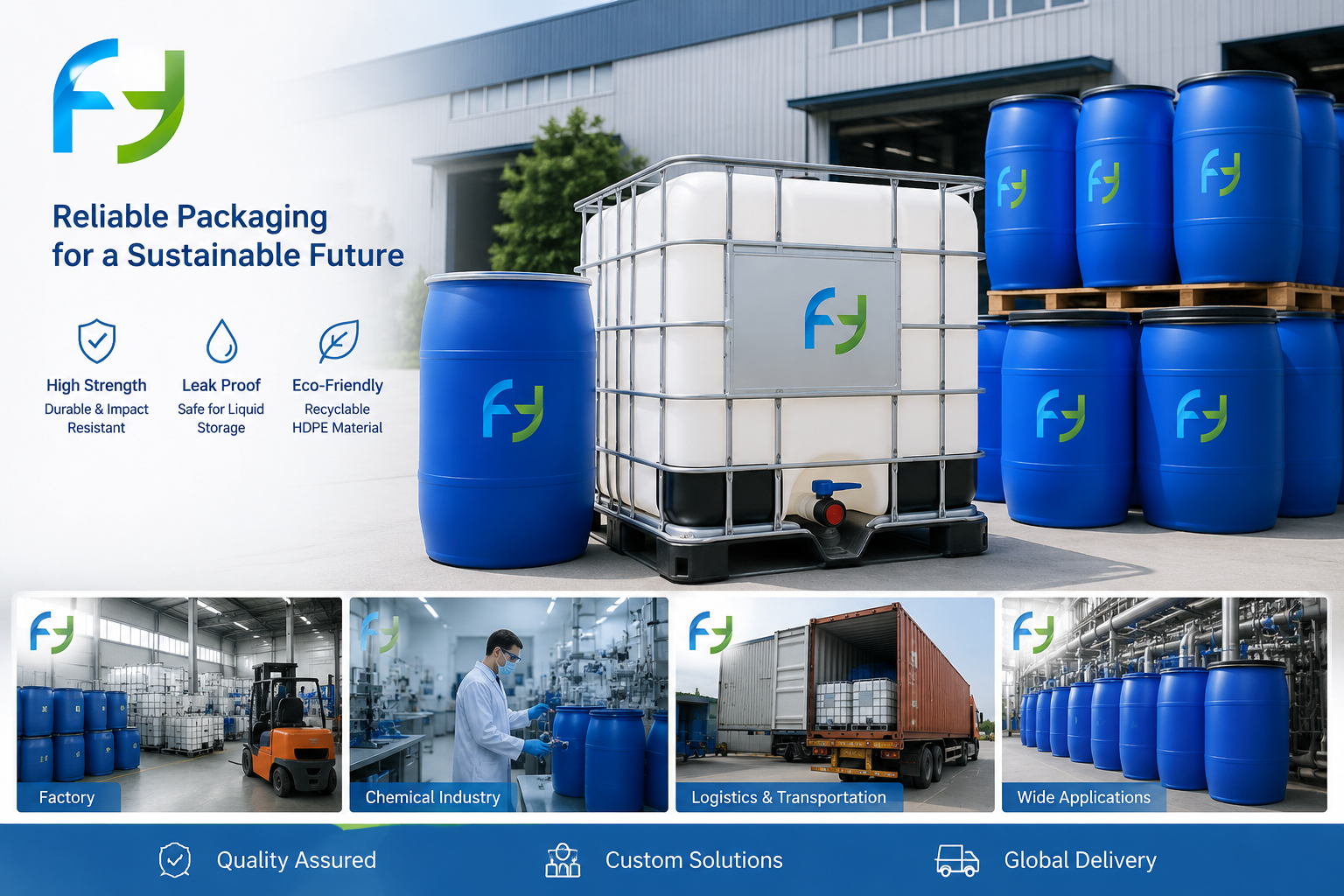
IBC tanks are widely used in:
- Chemical manufacturing
- Coolant and lubricant storage
- Water treatment chemicals
- Industrial cleaning solutions
- Export liquid logistics
Each application places different demands on the container system.
B2B Considerations: What Industrial Buyers Evaluate
Industrial buyers rarely focus on price alone. Reliability and consistency are usually more important over the long term.
Key evaluation points include:
- HDPE material quality
- Cage durability and weld consistency
- Compliance with transport standards
- Supplier production stability
- Availability of technical support
A dependable IBC tank for chemicals supplier provides both product quality and operational support.
Common Signs of Poor IBC Quality
Storage and transport issues often begin subtly:
- Slight tank deformation after filling
- Leakage around valve connections
- Reduced stacking stability
- Cage corrosion over time
These signs usually indicate weaknesses in material quality or structural design.
Frequently Asked Questions
Q: What is the standard capacity of an IBC tank?
Most industrial IBC tanks hold approximately 1000 liters.
Q: Are IBC tanks reusable?
Yes, many are designed for repeated industrial use cycles.
Q: Can all chemicals be stored in HDPE IBC tanks?
Compatibility depends on the chemical type and concentration.
Efficient Chemical Storage Starts with the Right IBC System
Bulk liquid handling requires more than larger containers. It requires packaging systems designed for durability, safety, and operational efficiency.
Explore IBC Packaging Solutions
You can explore FYeco’s industrial packaging and storage solutions here:
https://www.fyecosolution.com/products
Discuss Your Bulk Storage Requirements
For chemical compatibility guidance or custom packaging specifications, contact FYeco here:
https://www.fyecosolution.com/contact-us