
Discovering the Benefits of Long Life OAT Coolant Additive
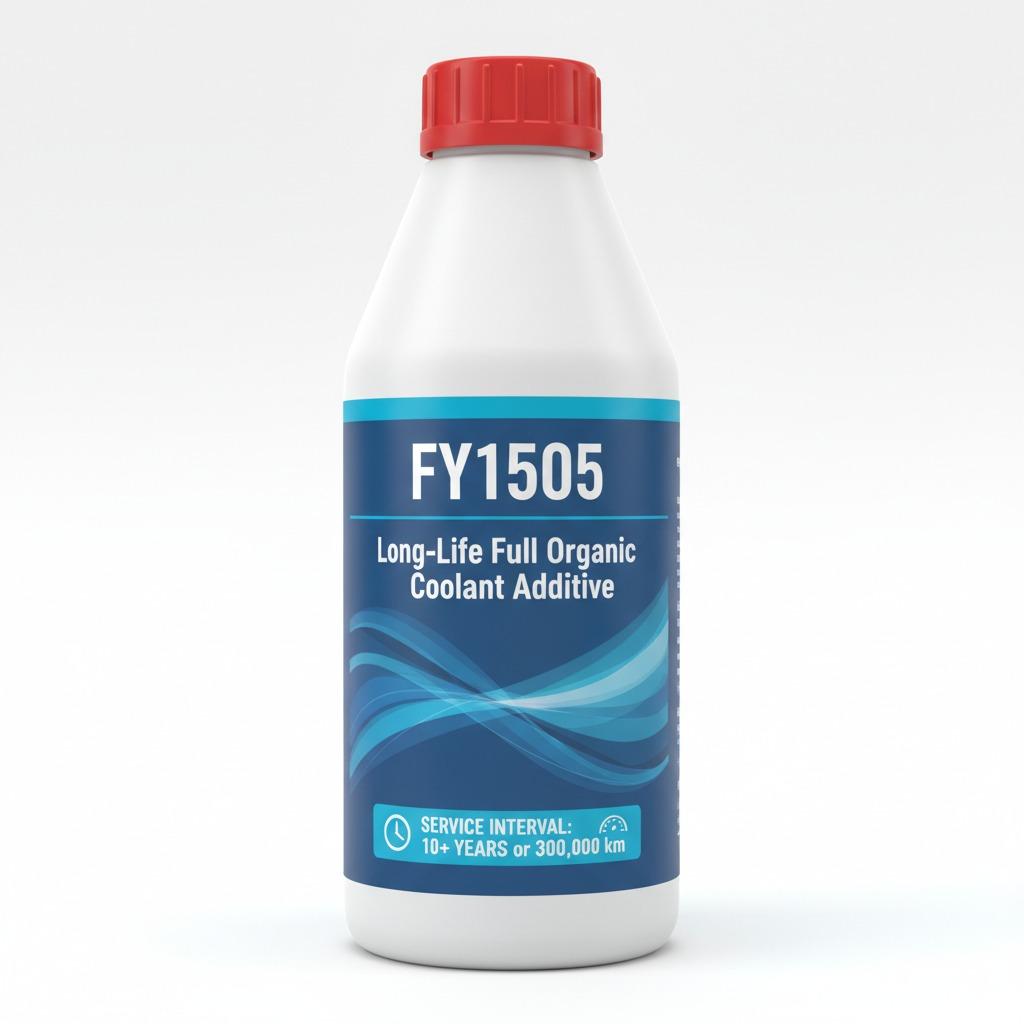
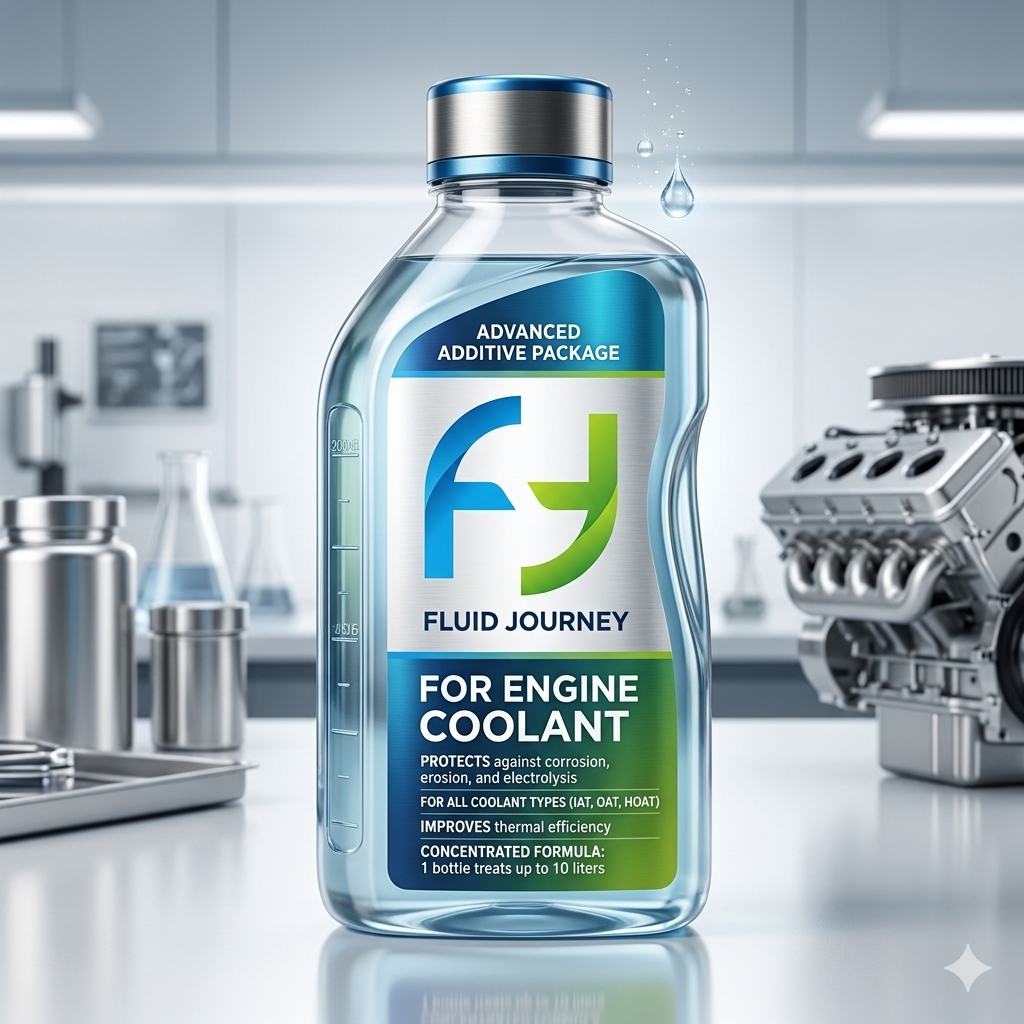
In the world of automotive maintenance, the long life OAT coolant additive stands out as a revolutionary solution for enhancing engine performance and longevity. Organic Acid Technology (OAT) based additives like this one are formulated to protect engines from corrosion and overheating without relying on traditional inorganic salts. This makes it an ideal choice for modern vehicles seeking extended service life. The FY1505 Long-Life Full Organic Coolant Additive exemplifies this technology, offering a full organic formula that delivers unmatched durability.
Understanding Organic Acid Corrosion Inhibitor Coolant
At the heart of effective cooling systems is the organic acid corrosion inhibitor coolant, which prevents rust and scale buildup in radiators and engine blocks. Unlike conventional coolants that degrade quickly, these inhibitors provide a protective layer that lasts significantly longer. The long life OAT coolant additive incorporates advanced organic acids that target specific metal surfaces, ensuring comprehensive protection. For vehicle owners, this translates to fewer maintenance interventions and lower long-term costs. The FY1505, with its service interval exceeding 10 years or 300,000 kilometers, demonstrates how such technology reduces downtime and promotes efficiency in demanding conditions.
Tailored for Export Markets: Engine Coolant Additive Excellence
When preparing vehicles for international use, selecting the right engine coolant additive for export markets becomes crucial. These additives must comply with diverse regulatory standards while maintaining high performance across varying climates. The long life OAT coolant additive meets these needs by offering a versatile formula that performs reliably in extreme temperatures. Exporters benefit from its extended lifespan, which minimizes warranty claims and enhances product reliability. The FY1505's sleek, environmentally conscious packaging further appeals to global markets prioritizing sustainability, making it a top choice for automotive distributors worldwide.
High Performance Antifreeze Additive for Demanding Applications
For those requiring superior thermal management, a high performance antifreeze additive is essential to prevent freezing and boiling in engine coolants. The long life OAT coolant additive excels in this area, providing freeze protection down to -37°C and boil-over resistance up to 129°C when mixed appropriately. Its organic composition ensures it doesn't harm seals or hoses, extending the overall life of the cooling system. Users in heavy-duty or high-mileage scenarios appreciate the FY1505's ability to maintain optimal engine temperatures, reducing wear and improving fuel efficiency over time.
Ensuring Compliance with Coolant Additive Meeting ASTM Standards
Quality assurance is paramount in coolant formulations, which is why a coolant additive meeting ASTM standards is non-negotiable for professional applications. The long life OAT coolant additive adheres to rigorous ASTM D3306 and D4985 specifications, guaranteeing compatibility and safety in a wide range of vehicles. This compliance ensures the additive performs consistently, protecting against cavitation, electrolysis, and other common issues. The FY1505's formulation not only meets but exceeds these standards, offering peace of mind for fleet operators and individual drivers alike. By choosing such a product, you invest in a future-proof solution that aligns with industry best practices.
In summary, the advantages of incorporating a long life OAT coolant additive into your maintenance routine are clear: enhanced protection, reduced frequency of replacements, and superior overall engine health. Whether for domestic use or export markets, products like the FY1505 represent the pinnacle of coolant innovation, driving sustainability and performance in every mile traveled.