
Antifreeze products are often evaluated by formulation quality—freezing protection, corrosion resistance, or coolant lifespan. Packaging, by comparison, tends to receive far less attention.
Yet many operational problems begin there.
Leaks during transport, contamination caused by poor sealing, or drum deformation during storage can directly affect product quality and logistics reliability. In export environments, even minor packaging failure may lead to shipment rejection or costly delays.
For coolant manufacturers, distributors, and industrial buyers, packaging is not simply a container decision. It becomes part of product protection itself.
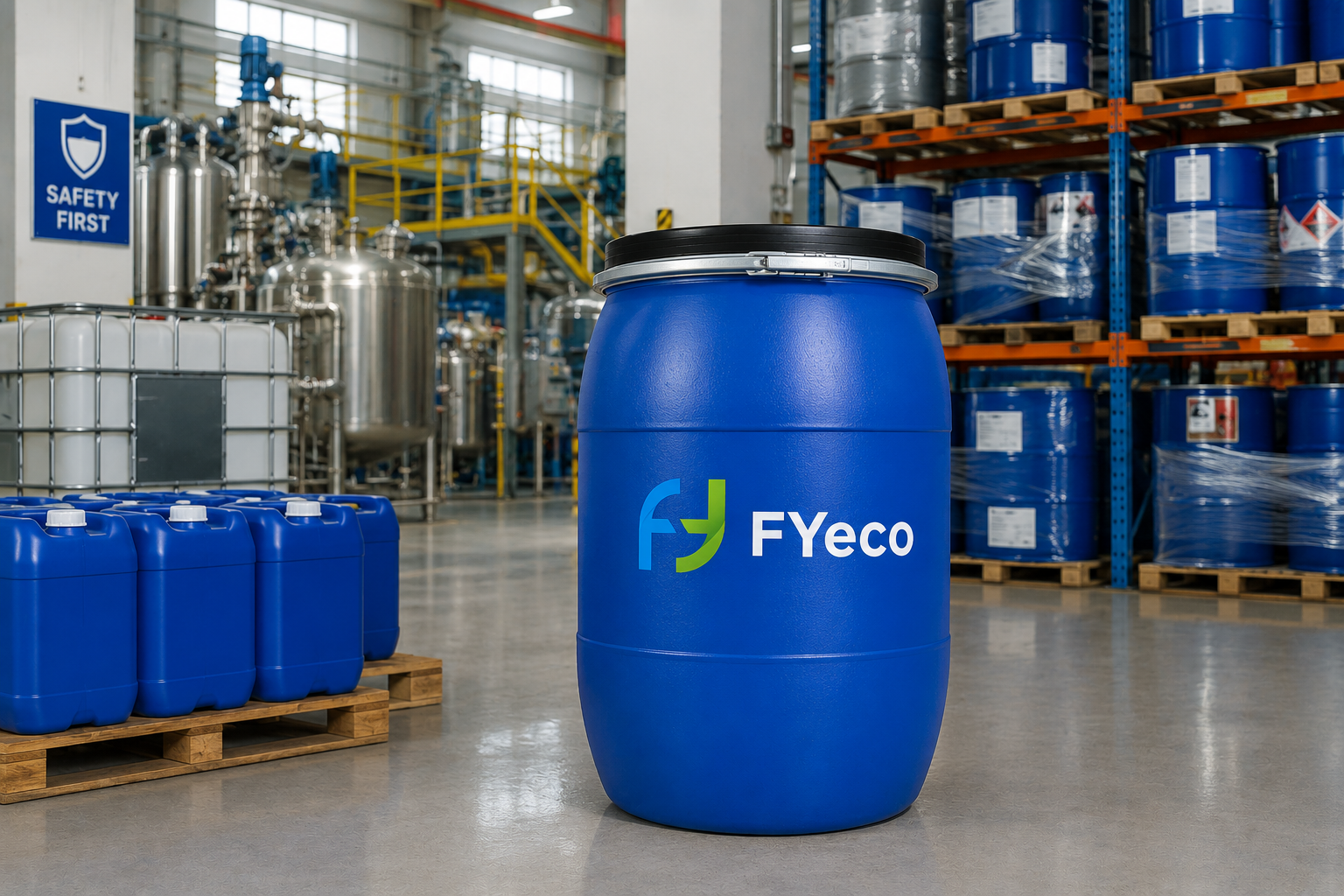
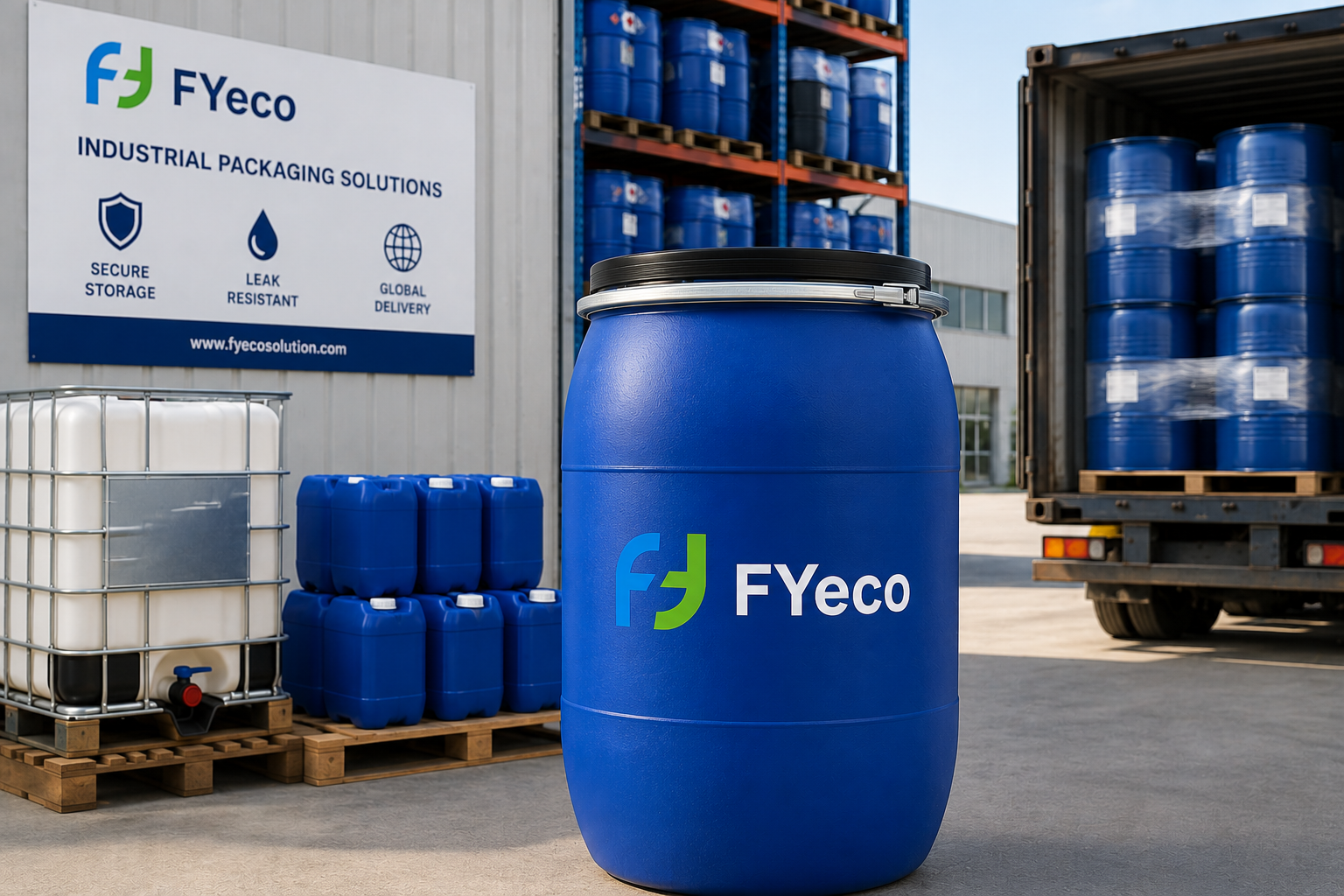
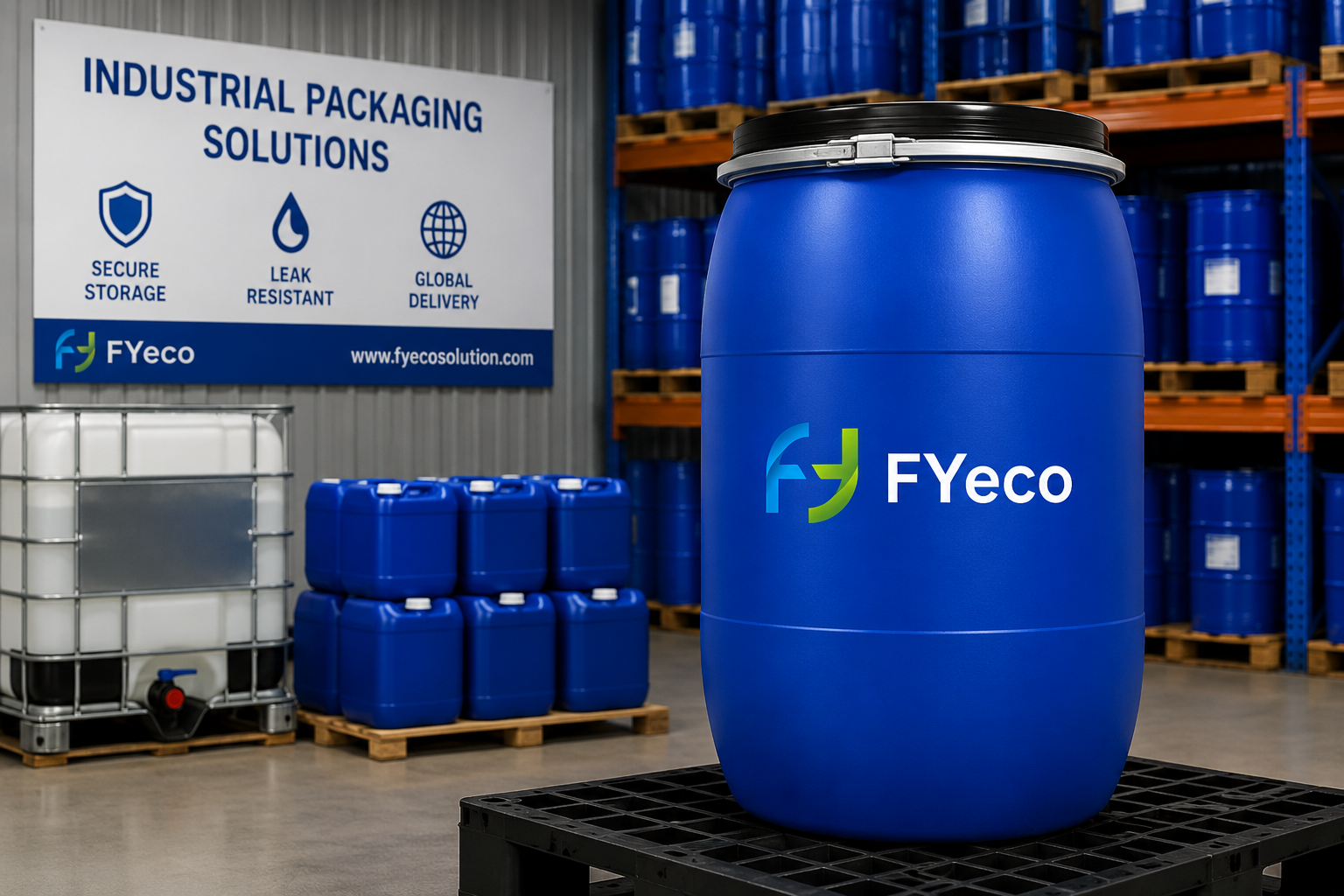
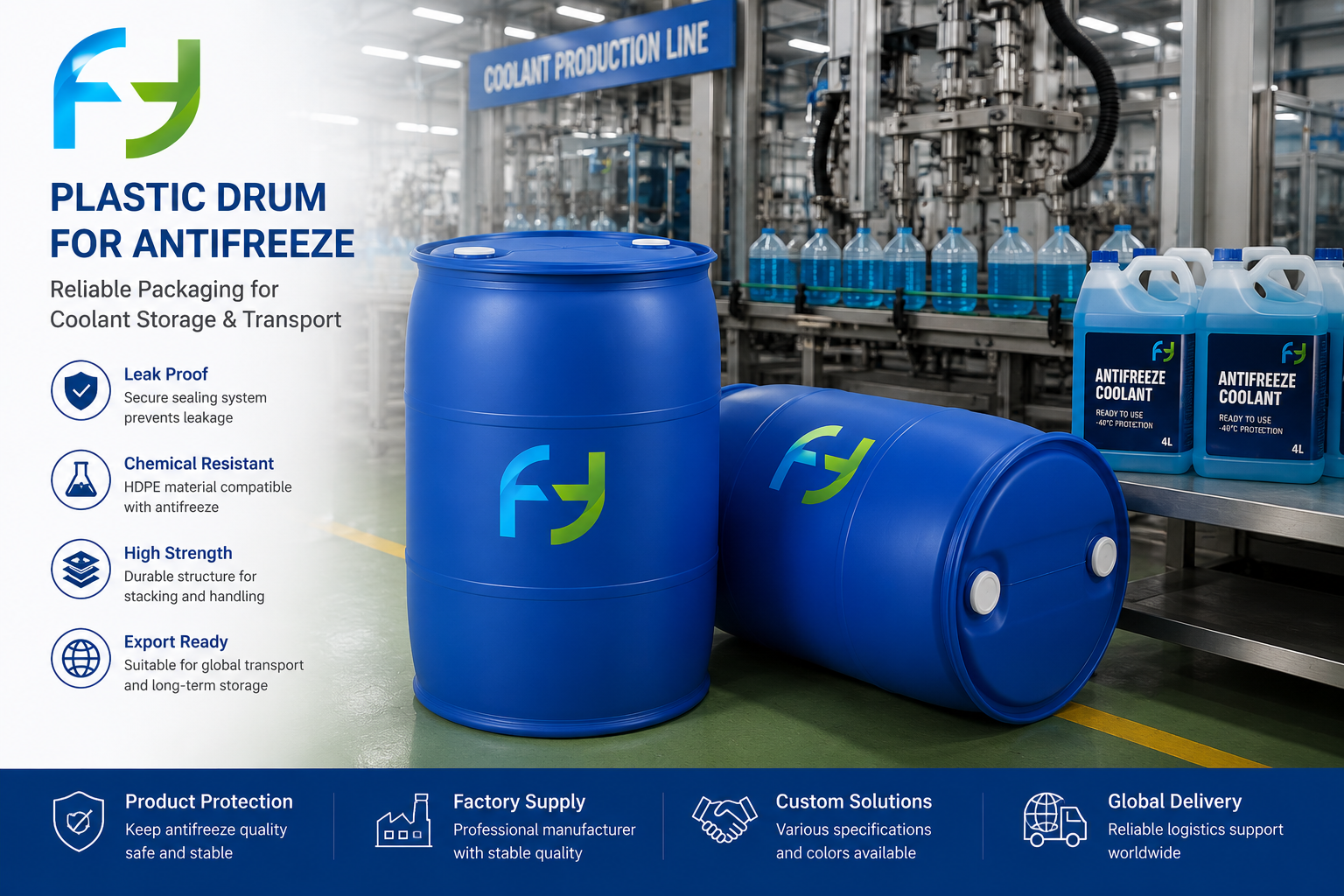
A properly designed plastic drum for antifreeze helps maintain chemical stability, transport safety, and long-term storage reliability under real industrial conditions.
Why HDPE Is Commonly Used for Antifreeze Packaging
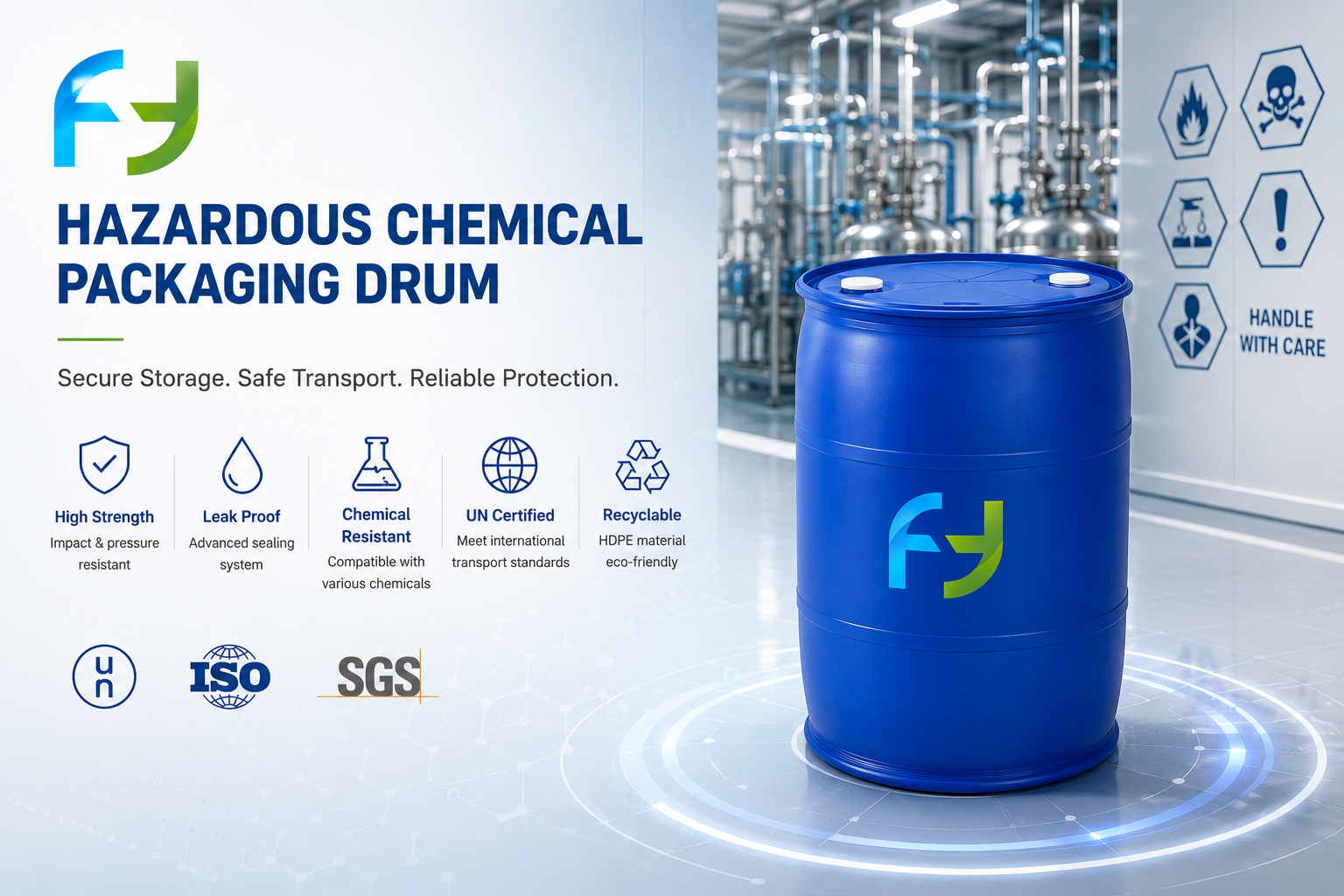
Most antifreeze drums are made from HDPE (high-density polyethylene), and for good reason.
The material provides:
- Strong resistance to coolant chemicals
- High impact durability during transport
- Flexibility under temperature variation
- Stable performance during long-term storage
However, not all HDPE drums perform equally. Material consistency and molding quality directly influence durability and sealing performance.
A reliable plastic drum for antifreeze maintains stable structure even when exposed to repeated handling and fluctuating storage conditions.
Packaging Challenges Specific to Antifreeze Products
Antifreeze liquids create different packaging requirements compared with general industrial fluids.
Temperature changes can cause slight internal pressure variation. Long-distance transport may expose containers to vibration and stacking stress for extended periods.
At the same time, coolant products must remain uncontaminated to maintain formulation performance.
A high-quality plastic drum for antifreeze is therefore designed to minimize leakage risk while maintaining structural stability across transport and storage cycles.
Performance Comparison: Standard Drum vs Antifreeze Packaging Drum
| Performance Parameter | Standard Plastic Drum | Plastic Drum for Antifreeze |
|---|---|---|
| Chemical resistance | Moderate | High |
| Leakage risk | 3–5% | <1–2% |
| Stack load capacity | 2–3 layers | 4–6 layers |
| Transport durability | Moderate | +40–60% improved |
| UV/weather resistance | Basic | Enhanced |
| Service life | 1–2 years | 3–5 years |
These differences become more significant during export transport and long-term warehousing.
Structural Features That Improve Coolant Packaging Reliability
Several design elements help improve antifreeze packaging performance:
- Uniform wall thickness to reduce stress concentration
- Reinforced ribbing for stacking stability
- Secure cap and sealing system to minimize leakage
- Stable drum base for pallet transport
A well-engineered plastic drum for antifreeze maintains both structural integrity and sealing reliability throughout the logistics process.
Application Scenarios Across the Coolant Industry
Plastic drums for antifreeze are widely used in:
- Automotive coolant manufacturing
- Industrial coolant storage
- Export antifreeze logistics
- Fleet maintenance supply chains
- Lubricant and coolant distribution
Each application introduces different transport and storage requirements.
B2B Considerations: What Buyers Actually Evaluate
Industrial buyers usually focus on long-term operational reliability.
Key evaluation points include:
- Consistent HDPE material quality
- Seal performance during transport
- Drum durability under stacking
- Export packaging compatibility
- Supplier production consistency
A dependable plastic drum for antifreeze supplier provides not only products, but also technical support and quality documentation.
Common Problems Caused by Low-Quality Coolant Drums
Operational issues often appear gradually:
- Leakage around lids or caps
- Drum bulging after filling
- Reduced stacking stability
- Surface cracking under temperature change
These problems usually indicate weaknesses in molding quality or structural design.
Frequently Asked Questions
Q: Can HDPE drums safely store antifreeze long term?
Yes, when compatible HDPE material and proper sealing systems are used.
Q: Are plastic antifreeze drums reusable?
Many are designed for multiple industrial use cycles.
Q: What drum sizes are commonly used for antifreeze packaging?
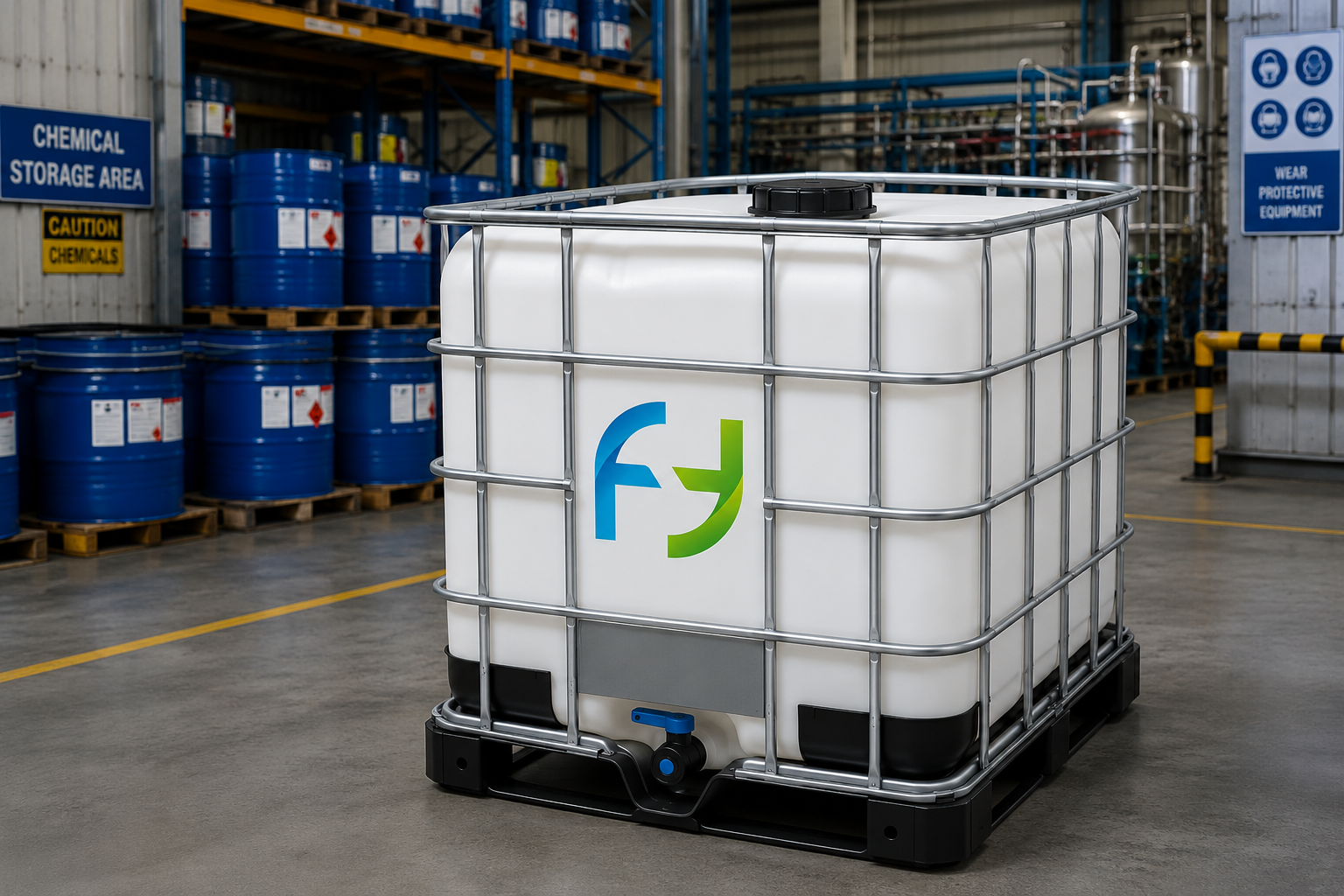
20L, 25L, 200L, and IBC systems are common depending on application.
Reliable Coolant Packaging Starts with the Right Drum
Antifreeze storage and transport require packaging systems designed for durability, compatibility, and operational stability. The right drum protects both the product and the logistics process.
Explore Antifreeze Packaging Solutions
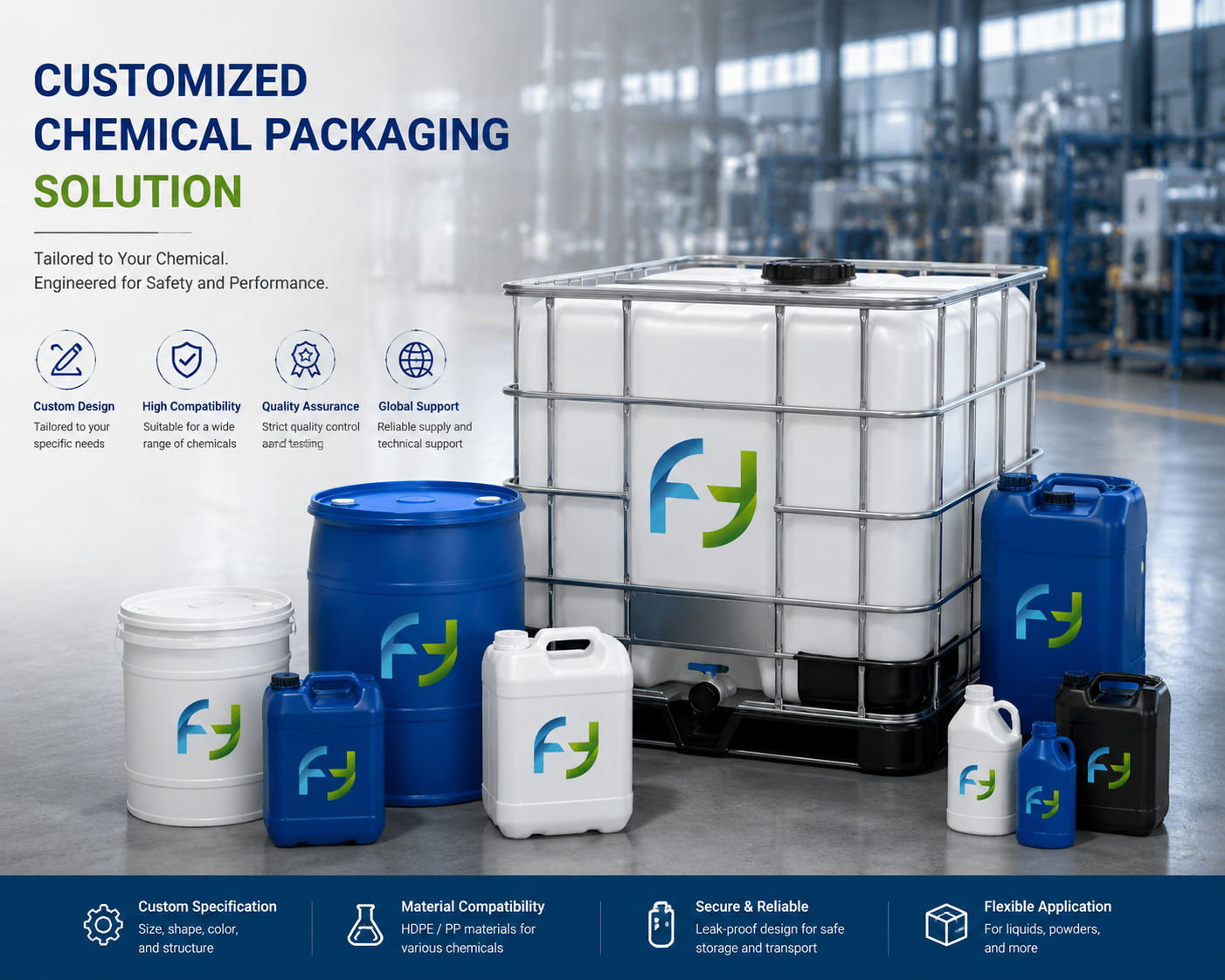
You can explore FYeco’s industrial packaging products here:
https://www.fyecosolution.com/products
Discuss Your Packaging Requirements
For antifreeze packaging specifications or custom drum solutions, contact FYeco here:
https://www.fyecosolution.com/contact-us