
Welcome to Fengying Technology!

SLC-OAT-LL Coolant Additive Advantages for Commercial Vehicles

  • Antifreeze Additive Package Application case
Posted by Fengying On Jan 04 2026

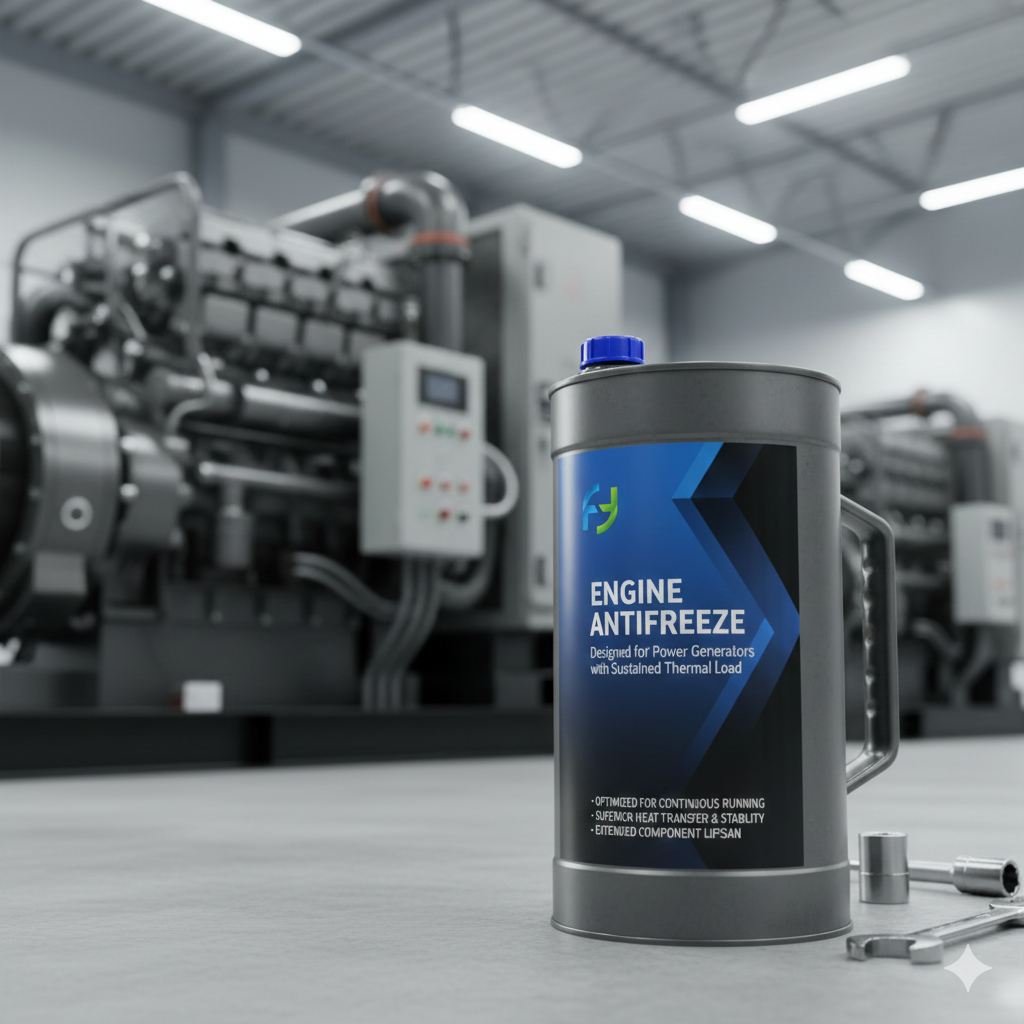
Commercial vehicles typically operate under extended daily mileage, frequent idling, and variable load conditions, which place continuous demand on engine cooling systems. Coolant performance directly affects engine reliability, service intervals, and total operating cost.

Many local commercial-vehicle coolants prioritize initial cost and rely on conventional inhibitor chemistry, which may require more frequent replacement and closer monitoring. Over time, these formulations can contribute to deposit formation and reduced thermal efficiency.

SLC-OAT-LL Coolant Additive employs Pure OAT technology, forming a targeted molecular protective layer only at active corrosion sites. This approach maintains efficient heat transfer while providing durable protection for aluminum, steel, copper, and brass components.

For commercial fleets, SLC-OAT-LL offers:

  • Extended coolant service intervals

  • Stable corrosion protection across mixed-metal systems

  • Compatibility with rubber seals and plastic components

  • Reduced maintenance frequency over the vehicle lifecycle

These characteristics support reliable operation for trucks, buses, and logistics fleets operating under demanding conditions.
Featured Blogs
Industrial Chemical Containers: How to Prevent Leakage, Damage, and Compliance Risks in Bulk Liquid Storage

Industrial Chemical Containers: How to Prevent Leakage, Damage, and Compliance Risks in Bulk Liquid Storage

Many businesses face recurring issues with leakage, container deformation, and regulatory failures when handling chemicals. This article explains how industrial chemical containers are designed, compares options, and shows how to choose the right solution for safer, more cost-effective operations.

Antifreeze Additive for Export Market: Adapting Coolant Chemistry to Global Requirements

Antifreeze Additive for Export Market: Adapting Coolant Chemistry to Global Requirements

Exporting antifreeze requires more than standard formulations. This article explains how antifreeze additive for export market must adapt to regulatory compliance, climate conditions, and application requirements to ensure stable performance across different regions.

OEM Antifreeze Additive Solution: Ensuring Consistency from Engine Design to Mass Production

OEM Antifreeze Additive Solution: Ensuring Consistency from Engine Design to Mass Production

OEM engine platforms require coolant systems that remain stable across validation, production, and real-world operation. This article explains how an OEM antifreeze additive solution supports corrosion control, thermal stability, and batch consistency in automotive applications.

Additive Package for Engine Coolant: Controlling Stability Across the Entire Cooling Cycle

Additive Package for Engine Coolant: Controlling Stability Across the Entire Cooling Cycle

Cooling system performance is determined by how additive systems behave over time, not just initial specifications. This article explains how an additive package for engine coolant influences corrosion protection, thermal stability, and long-term reliability.

Corrosion Inhibitor for Antifreeze: Controlling Electrochemical Damage in Engine Cooling Systems

Corrosion Inhibitor for Antifreeze: Controlling Electrochemical Damage in Engine Cooling Systems

Corrosion inside automotive cooling systems is driven by electrochemical reactions between metals and coolant chemistry. This article explains how corrosion inhibitor for antifreeze works to stabilize these reactions, reduce material degradation, and maintain long-term cooling efficiency.

Antifreeze Inhibitor Package: Stabilizing Corrosion Protection in Automotive Cooling Systems

Antifreeze Inhibitor Package: Stabilizing Corrosion Protection in Automotive Cooling Systems

Corrosion inside engine cooling systems is often caused by unstable coolant chemistry rather than mechanical failure. This article explains how an antifreeze inhibitor package helps control corrosion reactions, maintain coolant stability, and extend cooling system lifespan in modern automotive engines.