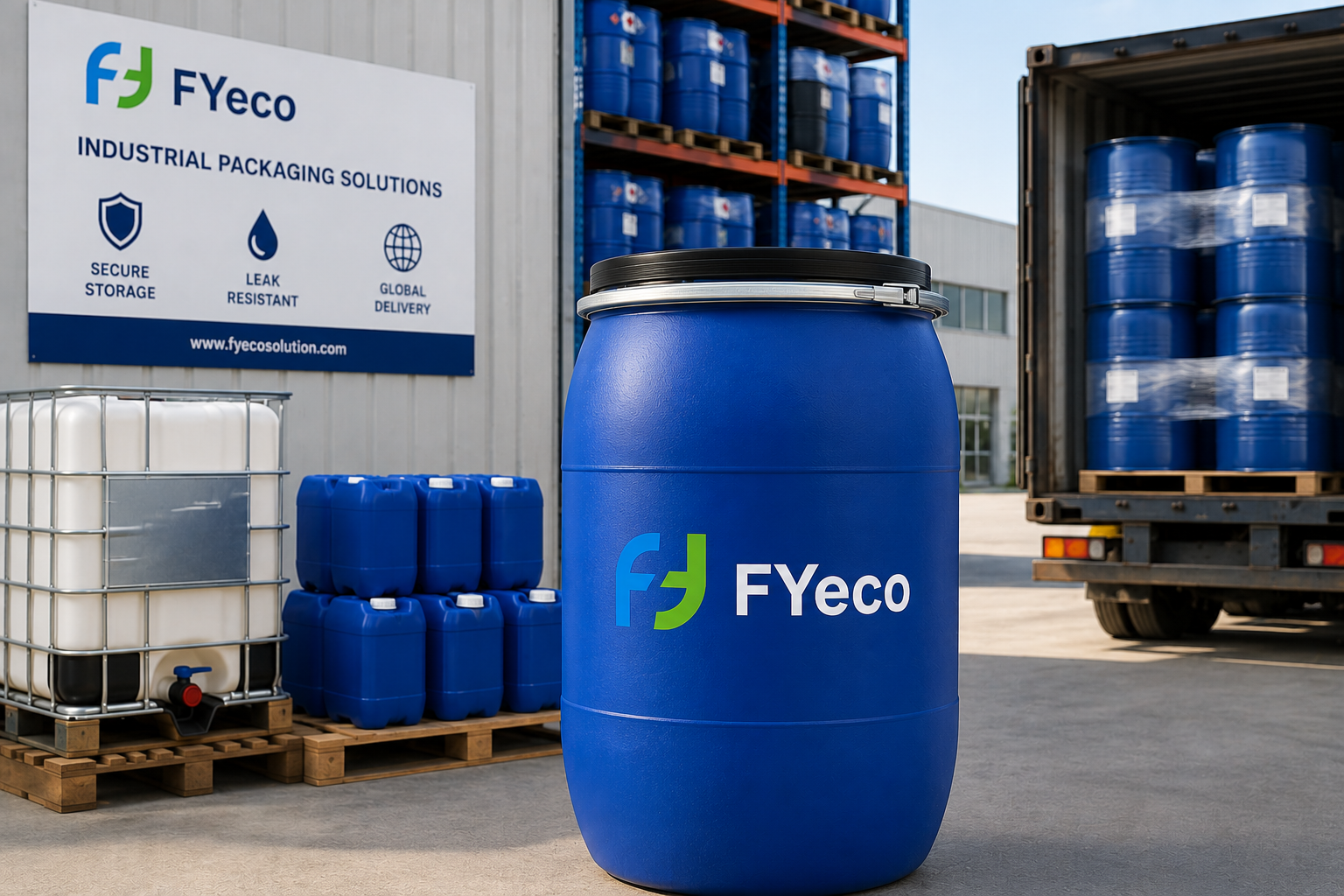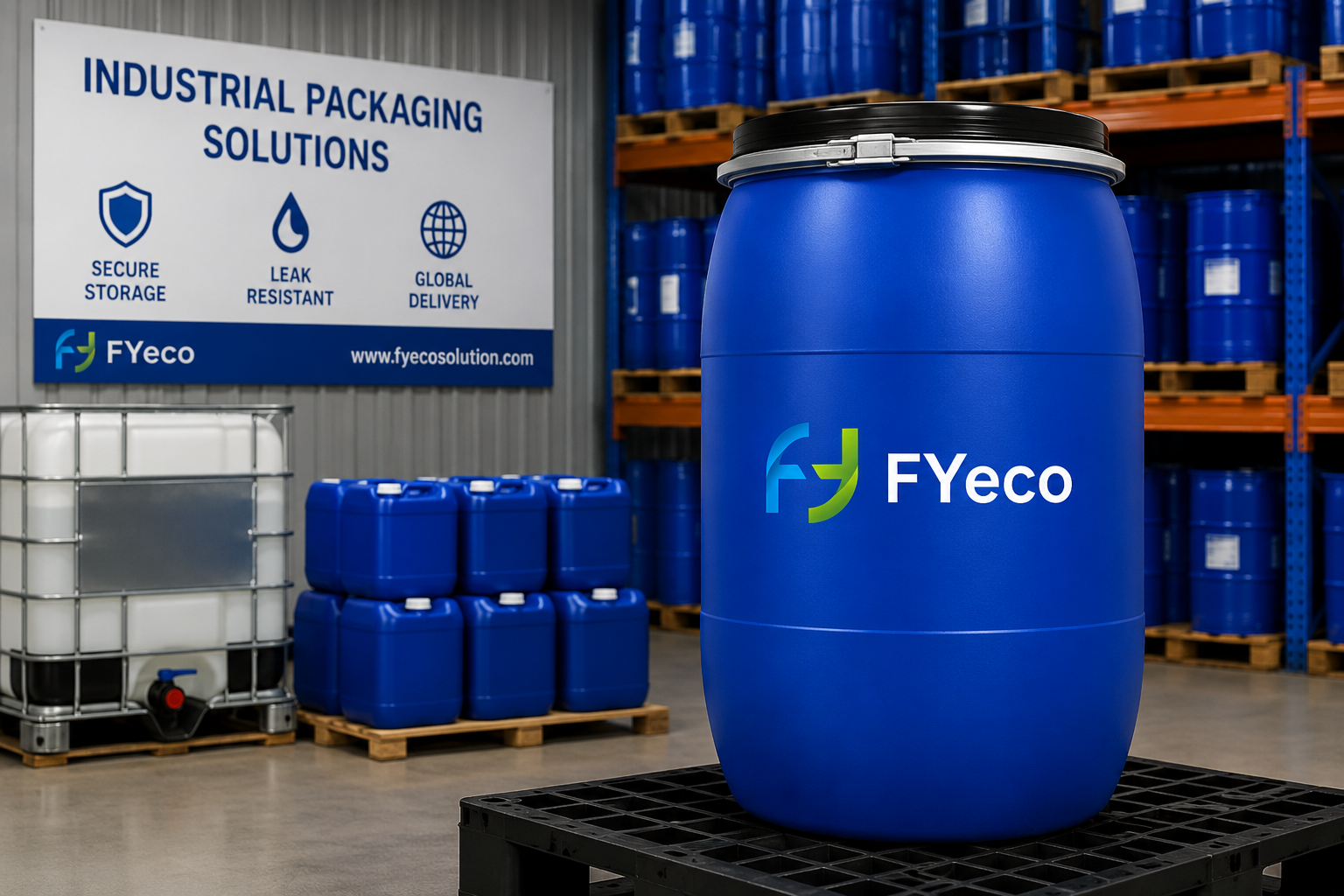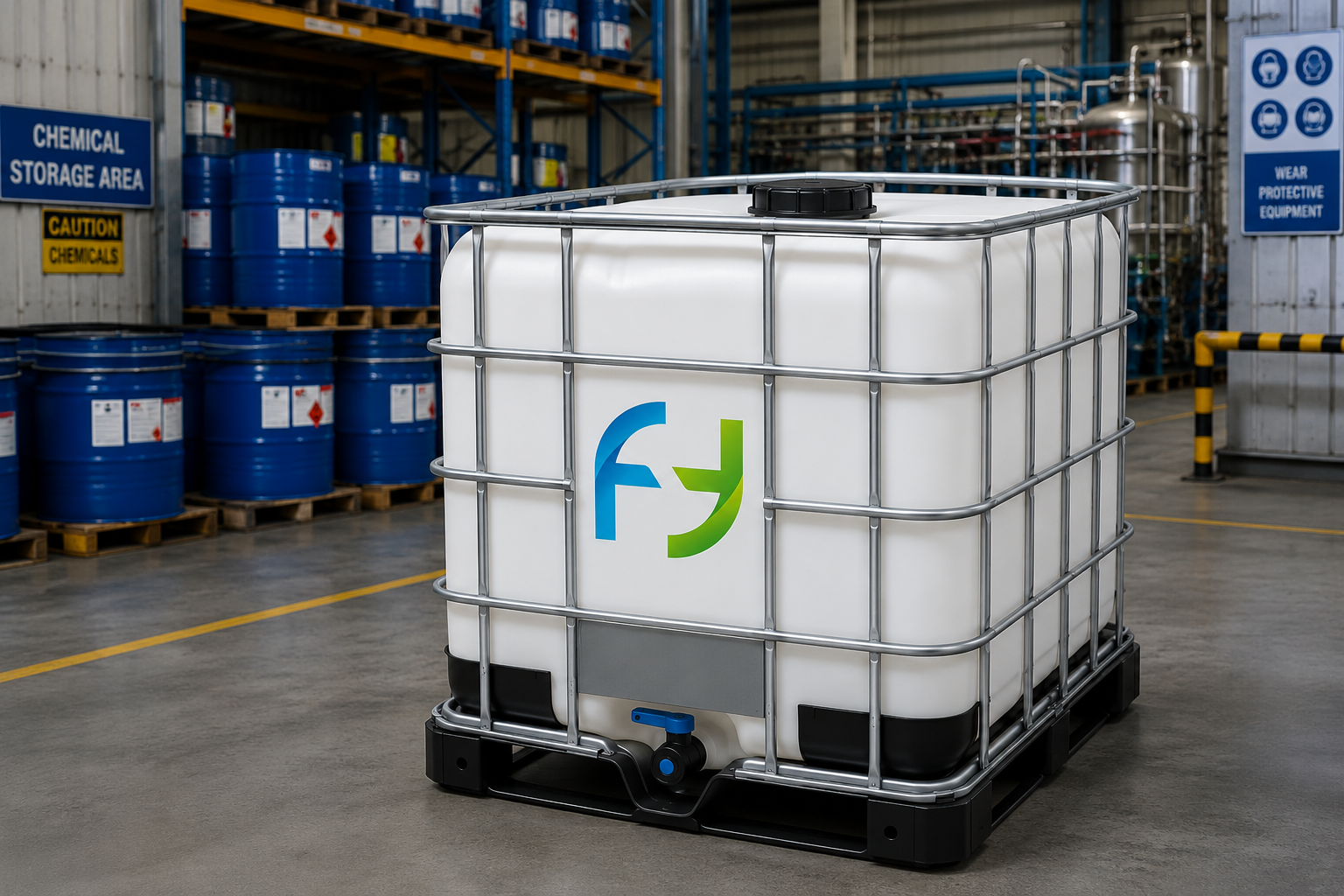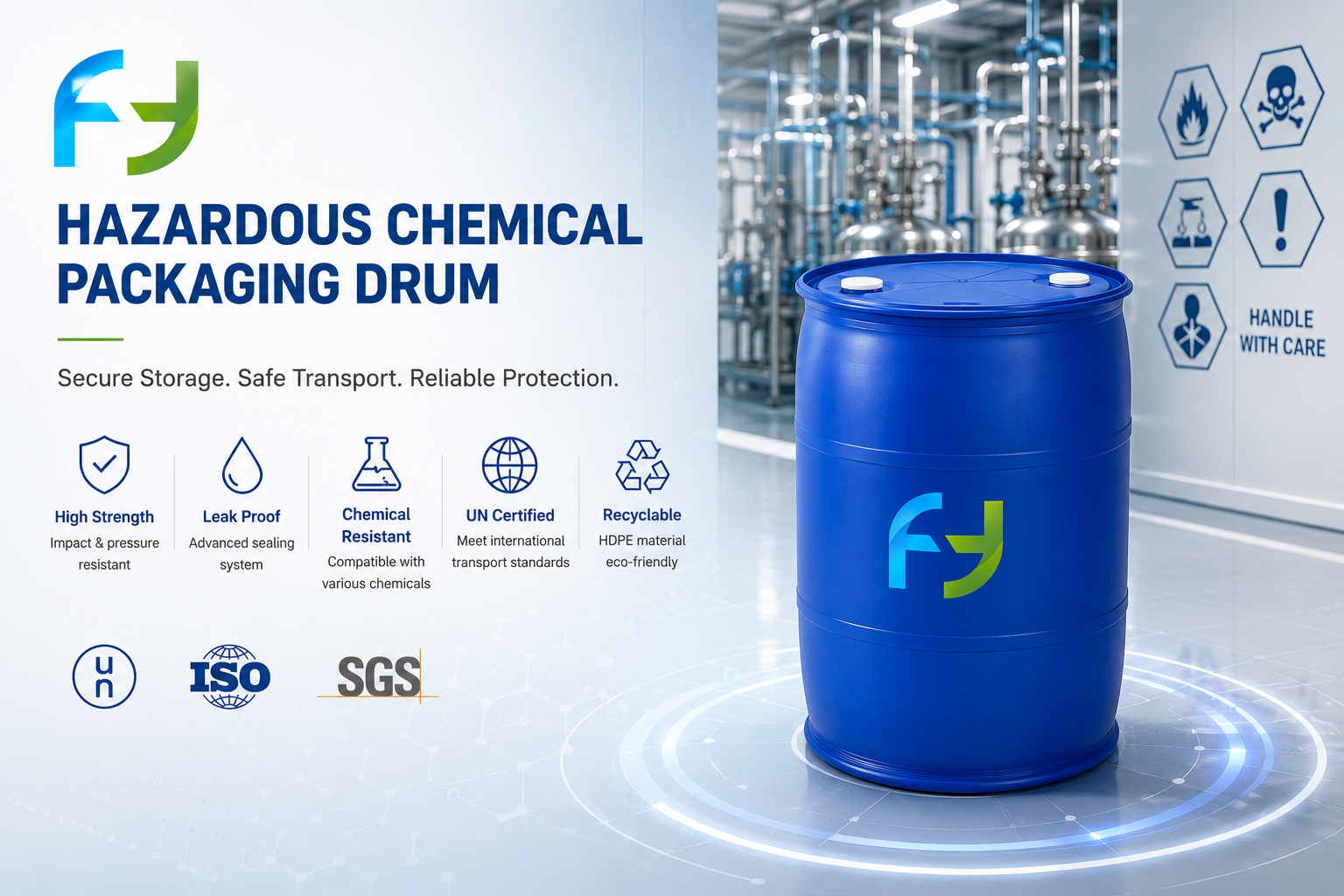

A chemical barrel looks simple until something goes wrong. A loose lid, uneven wall thickness, weak sealing, or poor stacking strength may not seem serious during filling, but these small defects can become costly once the barrel enters storage, forklift handling, or export transport.
For chemical manufacturers, coolant producers, liquid additive suppliers, and industrial distributors, packaging failure is not just a container problem. It can lead to leakage, product contamination, delayed delivery, warehouse safety risks, and customer complaints. That is why choosing a chemical barrel supplier is part of risk control, not only procurement.
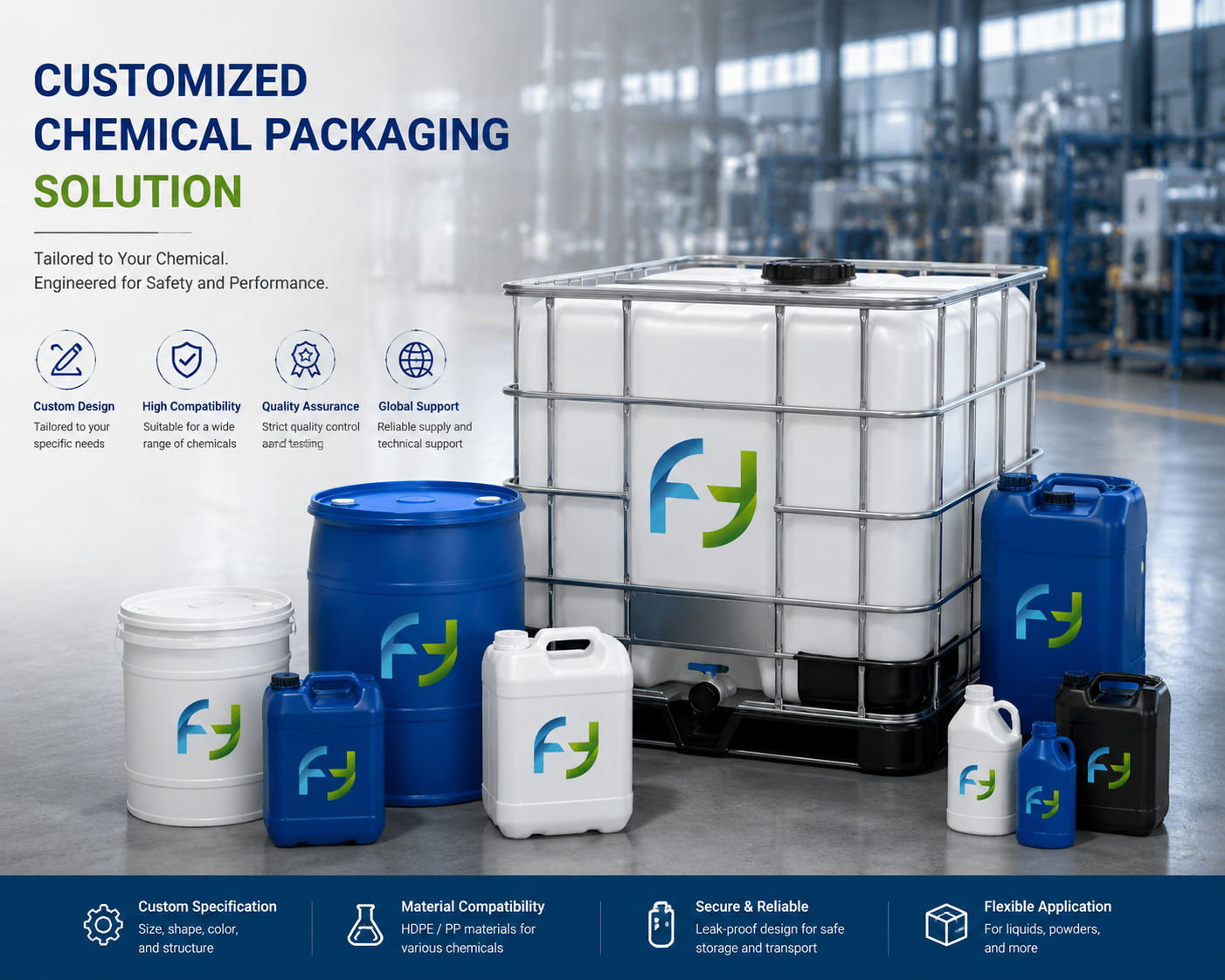
FYeco focuses on industrial packaging solutions for liquid chemicals, coolant, additives, water-based products, and export packaging needs. Through HDPE material control, stable molding, reinforced structure, and sealing performance management, FYeco helps customers reduce packaging uncertainty across storage and transport.
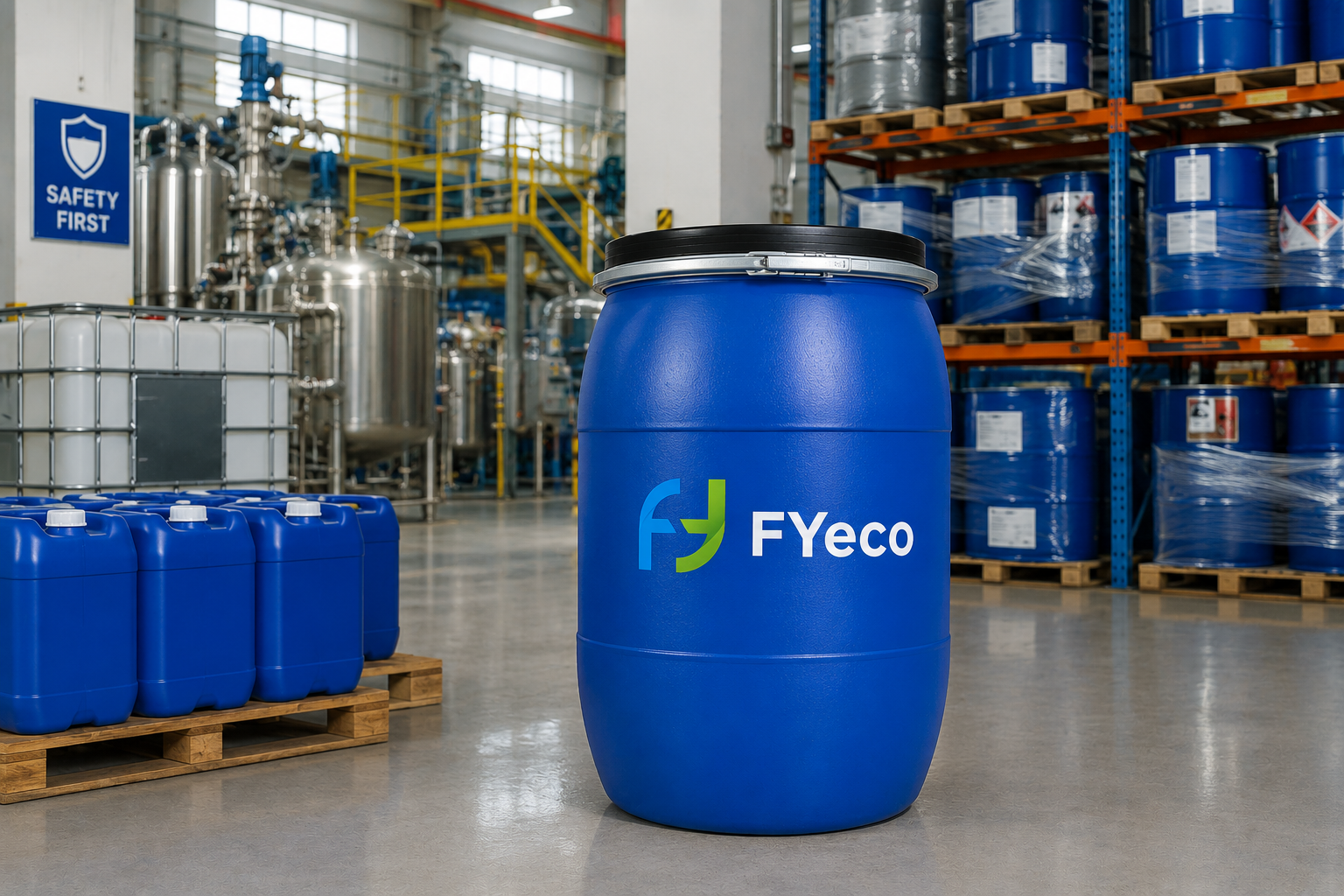
Why Chemical Barrels Need More Than Basic Plastic Strength
Chemical liquids create different packaging pressures compared with ordinary water or general storage products. Some liquids are mildly corrosive. Some are sensitive to contamination. Others expand slightly during temperature changes or create pressure during long-distance shipment.
A qualified chemical barrel supplier must understand that packaging performance depends on both material compatibility and structural stability.
HDPE is commonly used because it offers a strong balance of:
- Chemical resistance for many industrial liquids
- Impact strength during handling and transport
- Lightweight structure compared with metal drums
- Stable performance under normal temperature changes
- Recyclable material for long-term packaging use
Still, HDPE quality alone is not enough. Production consistency decides whether the barrel performs reliably batch after batch.
How Barrel Structure Affects Leakage and Storage Safety
A barrel’s real performance is tested after filling, not when it is empty. Once liquid weight, pallet pressure, and transport vibration are added, weak designs begin to show problems.
A professional chemical barrel supplier usually pays attention to these structural details:
| Design Factor | Why It Matters |
|---|---|
| Uniform wall thickness | Reduces weak stress points and deformation |
| Reinforced barrel body | Improves stacking and pallet stability |
| Strong lid and closure | Helps reduce leakage during transport |
| Stable bottom design | Supports warehouse storage and forklift movement |
| Smooth inner surface | Helps reduce contamination risk |
If the structure is weak, the barrel may bulge, crack, leak, or lose stacking stability during storage.
Standard Barrel vs Industrial Chemical Barrel
| Performance Parameter | Standard Plastic Barrel | Industrial Chemical Barrel |
|---|---|---|
| Chemical compatibility | General use | Suitable for industrial liquids |
| Leakage risk during transport | 3–5% | <1–2% with proper sealing |
| Stack load capacity | 2–3 layers | 4–6 layers depending on design |
| Impact resistance | Basic | +40–60% improved |
| Export transport stability | Moderate | Higher stability for long-distance logistics |
| Typical service life | 1–2 years | 3–5 years depending on use |
The difference is not always visible in product photos. It appears in real logistics: container loading, warehouse stacking, forklift movement, and long-term liquid storage.
What Solutions Should a Chemical Barrel Supplier Provide?
A reliable chemical barrel supplier should not only sell standard barrels. For B2B buyers, packaging support is often more valuable than a single product model.
Important support areas include:
- Drum size selection based on liquid type
- HDPE compatibility guidance
- Lid, cap, clamp, or sealing recommendations
- Stackable design advice
- Export packaging support
- Custom color, logo, or structure options
For example, coolant and antifreeze products may require clean sealing and stable HDPE compatibility. Water-based products may focus more on leak prevention and storage efficiency. Export chemicals require stronger transport stability and pallet loading performance.
You can learn more about FYeco’s company background and packaging capabilities through the About Us page:
https://fyecosolution.com/about-us
Application Scenarios for Chemical Barrels
Chemical barrels are used across many industrial liquid sectors. The right barrel depends on the liquid, storage time, transport distance, and handling method.
Common applications include:
- Coolant and antifreeze packaging
- Chemical liquid storage
- Water-based product packaging
- Additive concentrate storage
- Cleaning liquid transport
- Export chemical logistics
A dependable chemical barrel supplier helps customers match packaging structure with real use conditions instead of relying only on capacity.
For available HDPE barrels, chemical drums, IBC containers, and related packaging products, you can visit FYeco’s product page:
https://fyecosolution.com/products
How to Choose the Right Chemical Barrel Supplier
Before placing a bulk order, buyers should evaluate more than unit price. A lower-cost barrel may increase total cost if it causes leakage, rejection, or transport damage.
Key selection points include:
Material Quality
Check whether the supplier uses stable HDPE material and whether the barrel is suitable for the liquid being filled.
Sealing Performance
The lid, cap, gasket, and closure system should match storage and transport requirements.
Production Consistency
Batch-to-batch stability matters for exporters and distributors handling large-volume shipments.
Export Experience
If products are shipped internationally, the supplier should understand pallet loading, container transport, and long-distance handling risks.
Technical Support
A good supplier can answer compatibility, storage, and packaging questions instead of only quoting prices.
For common questions about packaging, storage, and product selection, you can refer to FYeco’s FAQ page:
https://fyecosolution.com/faqs
Frequently Asked Questions
Q: Can chemical barrels be used for corrosive liquids?
Some HDPE chemical barrels can be used for certain corrosive liquids, but compatibility must be checked based on chemical type and concentration.
Q: What size chemical barrels are commonly used?
Common options include small jerry cans, medium plastic pails, 200L barrels, and 1000L IBC containers.
Q: Are chemical barrels suitable for export transport?
Yes, if the barrel structure, sealing system, pallet loading method, and material quality are designed for long-distance logistics.
Choosing the Right Chemical Barrel Supplier Reduces Packaging Risk
Industrial liquid packaging must protect the product through filling, storage, handling, transport, and delivery. A reliable chemical barrel supplier helps reduce leakage risk, improve warehouse efficiency, and support stable export packaging performance.
Explore Industrial Packaging Products
If you are sourcing HDPE barrels, chemical drums, plastic containers, or IBC packaging for industrial liquids, you can review FYeco’s product range here:
https://fyecosolution.com/products
Discuss Your Chemical Packaging Requirements
For chemical compatibility, custom barrel specifications, export packaging support, or bulk purchasing needs, you can contact FYeco’s team here:
https://fyecosolution.com/contact-us