High ambient temperatures accelerate coolant degradation and increase thermal stress in automotive engines. This article explains how antifreeze additive for hot climate is designed to maintain heat transfer efficiency, corrosion control, and system stability in high-temperature operating conditions.
As modern vehicles integrate more electronics and aluminum components, electrical conductivity inside cooling systems becomes a hidden reliability risk. This article explains how low conductivity coolant additive works in automotive engines, how it limits electrochemical corrosion, and what engineers and buyers should evaluate when selecting low-conductivity cooling solutions.
1.Understanding Antifreeze and Its Role in Vehicle Maintenance 2.What is Engine Coolant and Why It's Essential 3.How Antifreeze Works to Protect Your Engine 4.Choosing the Right Coolant for Your Vehicle 5.Benefits of FY Antifreeze Coolant for Optimal Performance
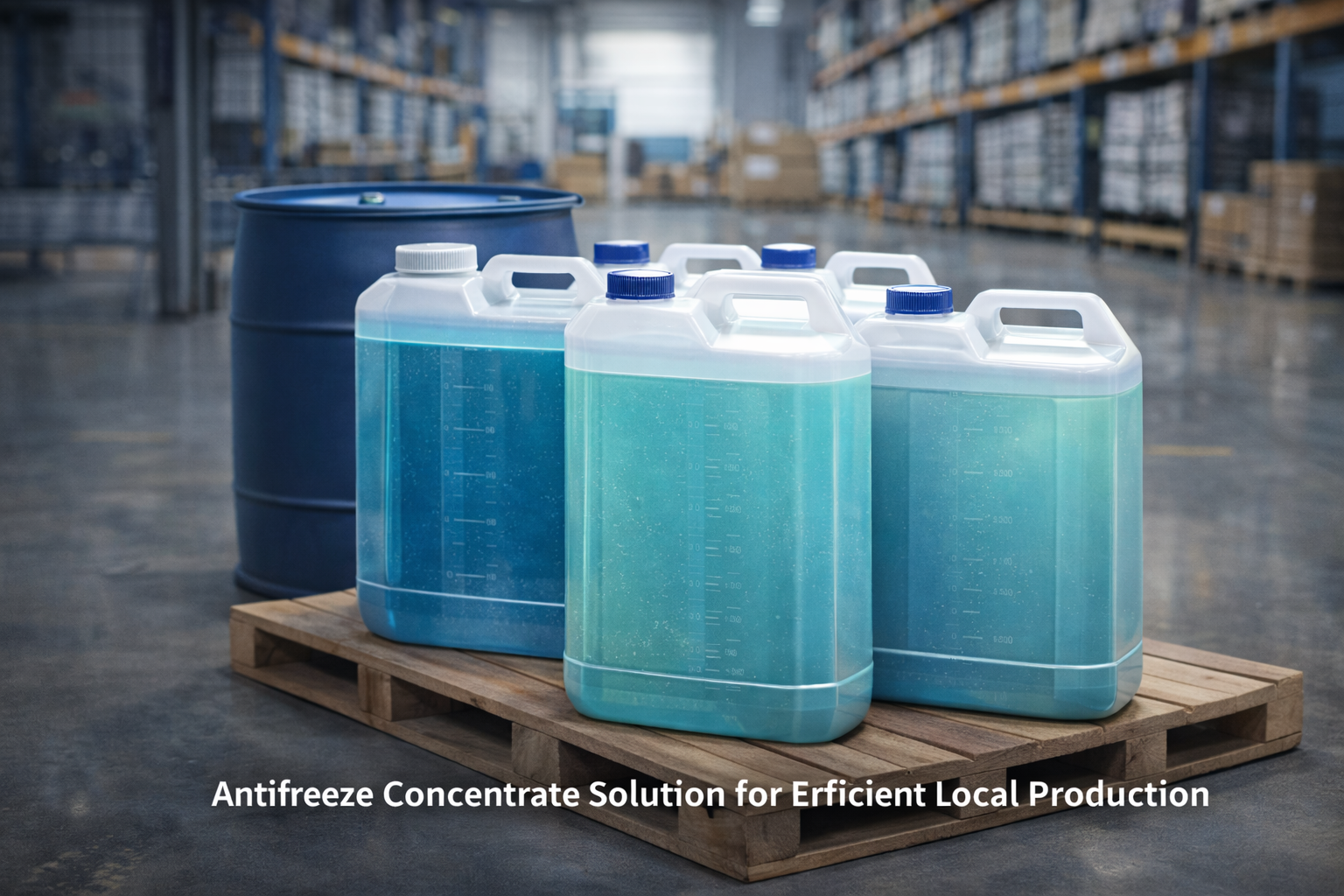
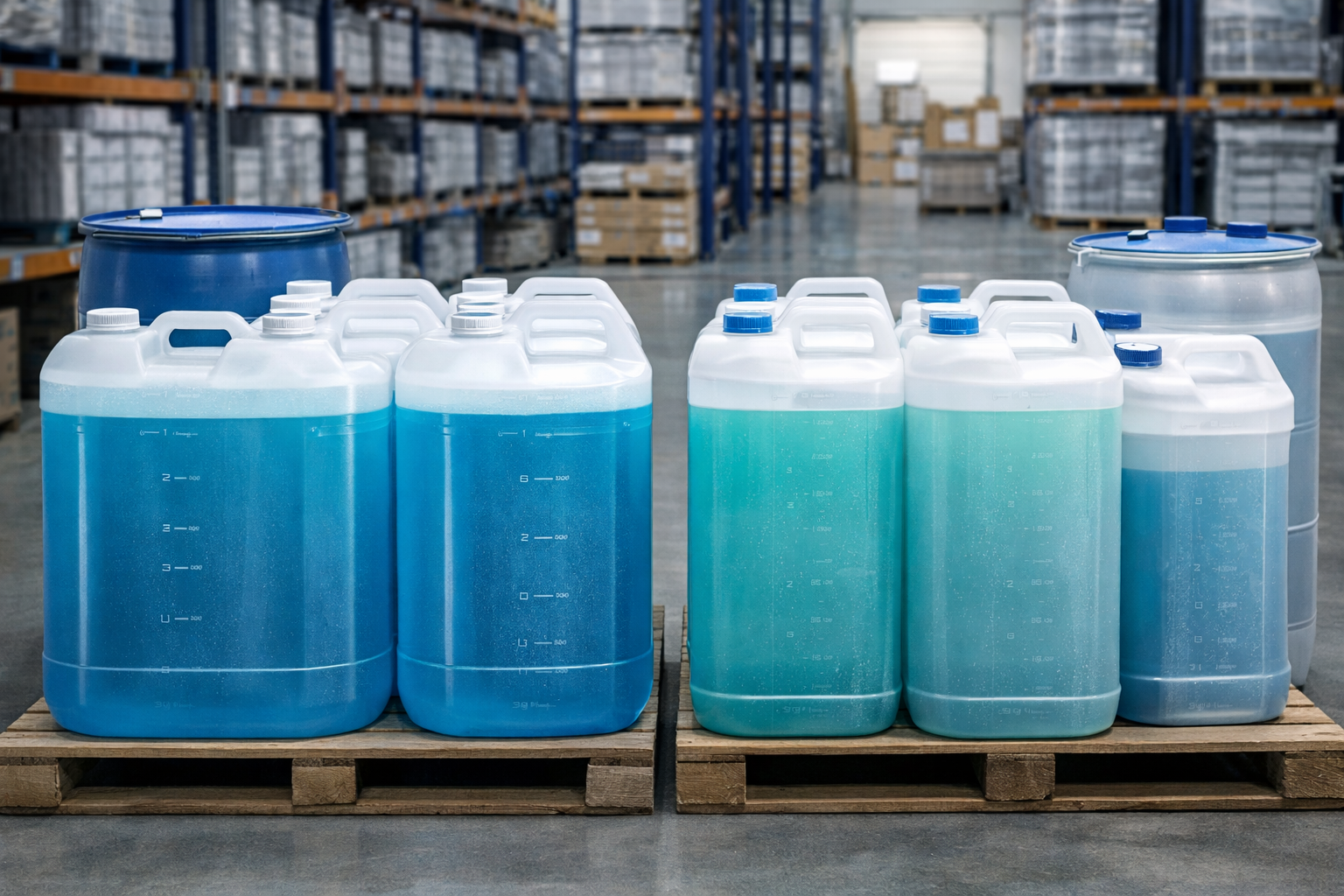
This antifreeze concentrate solution supports efficient local coolant manufacturing through flexible dilution, stable chemistry, and reliable cooling performance.
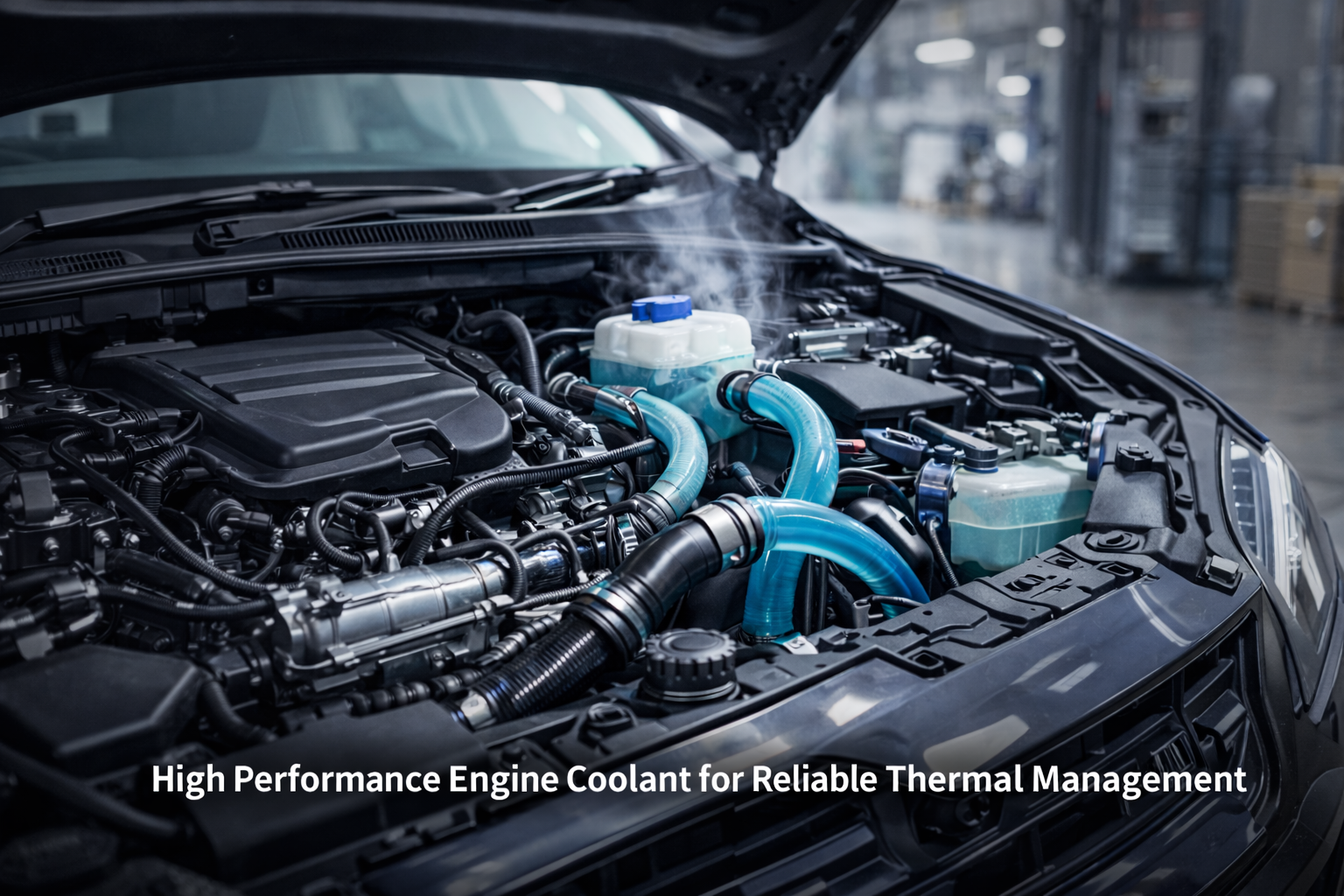
This high performance engine coolant is engineered to deliver stable thermal management, corrosion protection, and long service life for automotive and industrial cooling systems.
Sourcing antifreeze coolant from China offers cost and supply advantages, but export success depends on formulation consistency, regulatory compliance, and shipment control. This article explains how overseas buyers should evaluate Chinese antifreeze exporters based on real export practices rather than price alone.
This article outlines how antifreeze concentrate solutions provide flexible dilution, reduced logistics costs, and reliable cooling protection for industrial and automotive applications.
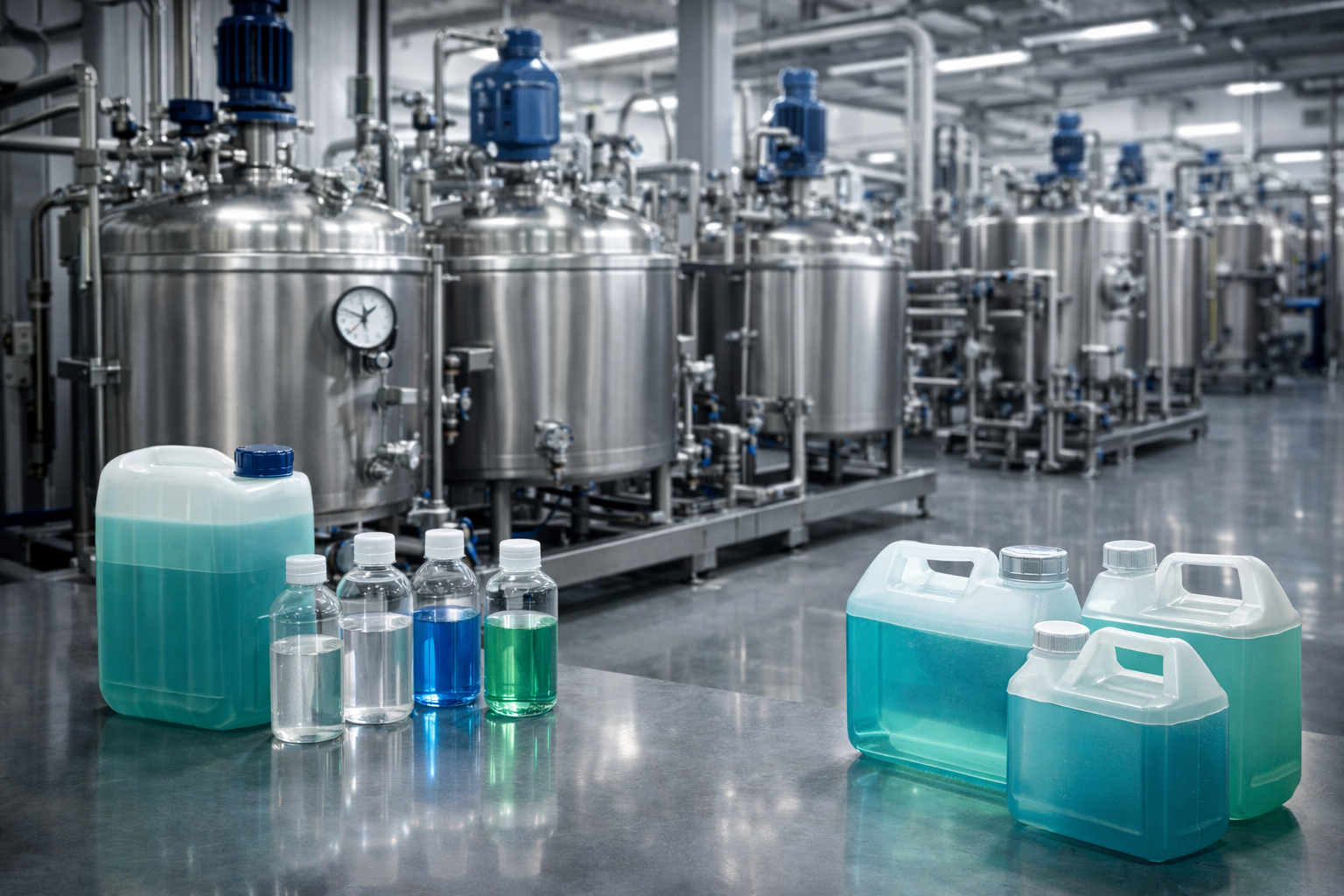
This article explains how antifreeze additive package solutions enable local coolant manufacturing with stable formulations, cost control, and consistent corrosion protection.