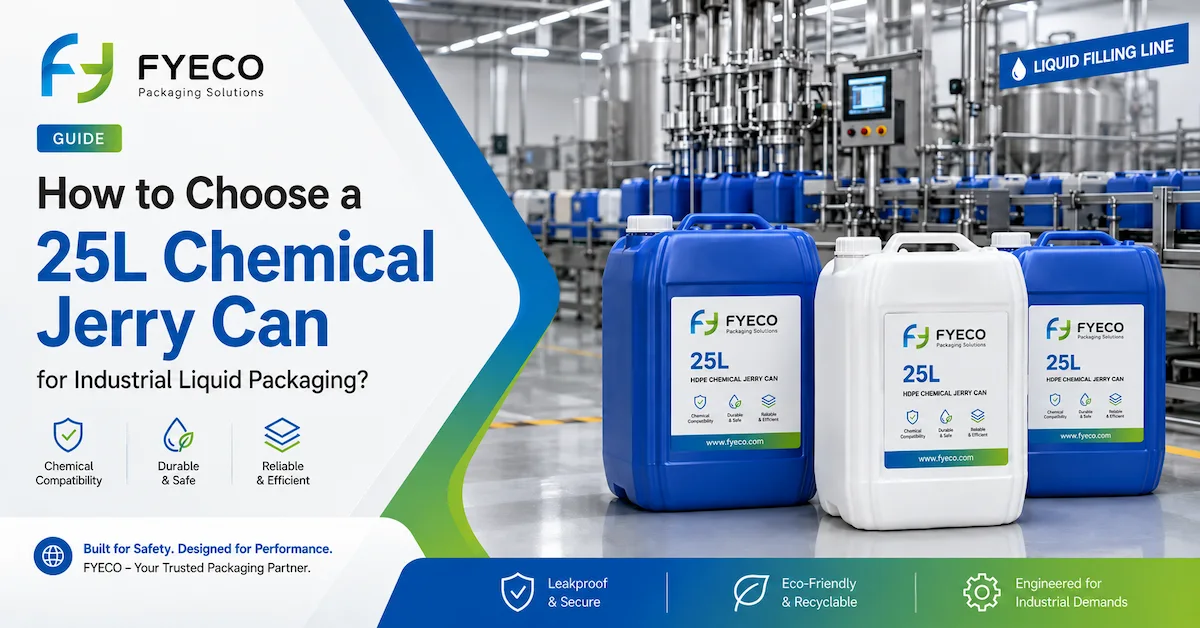
A 25L chemical jerry can is widely used for detergents, automotive fluids, additives, water-based products, cleaning liquids, and industrial chemicals. This article explains how buyers can evaluate HDPE material, sealing performance, wall thickness, handle strength, chemical compatibility, OEM customization, and supplier reliability before bulk purchasing.
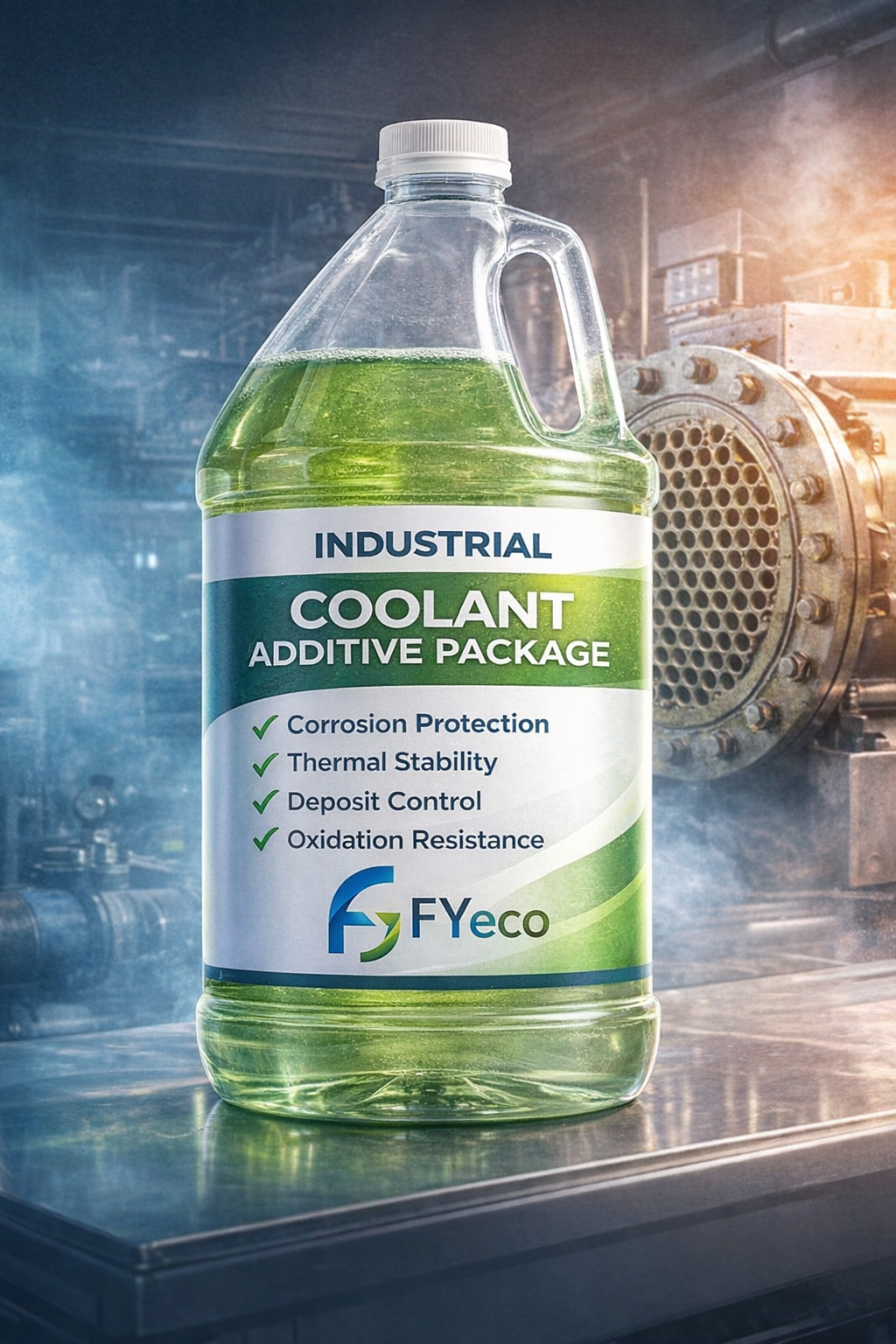
Industrial cooling systems operate under continuous heat loads and polluted environments. This article explains how industrial coolant additives can help control corrosion, stabilize coolant chemistry, and maintain system performance over long operating periods.
Coolant lifespan is largely determined by additive system design rather than base fluid. This article explains how long life coolant additive technology improves inhibitor durability, reduces chemical degradation, and maintains stable cooling performance over extended service intervals.
Exporting antifreeze requires more than standard formulations. This article explains how antifreeze additive for export market must adapt to regulatory compliance, climate conditions, and application requirements to ensure stable performance across different regions.
OEM engine platforms require coolant systems that remain stable across validation, production, and real-world operation. This article explains how an OEM antifreeze additive solution supports corrosion control, thermal stability, and batch consistency in automotive applications.
Cooling system performance is determined by how additive systems behave over time, not just initial specifications. This article explains how an additive package for engine coolant influences corrosion protection, thermal stability, and long-term reliability.
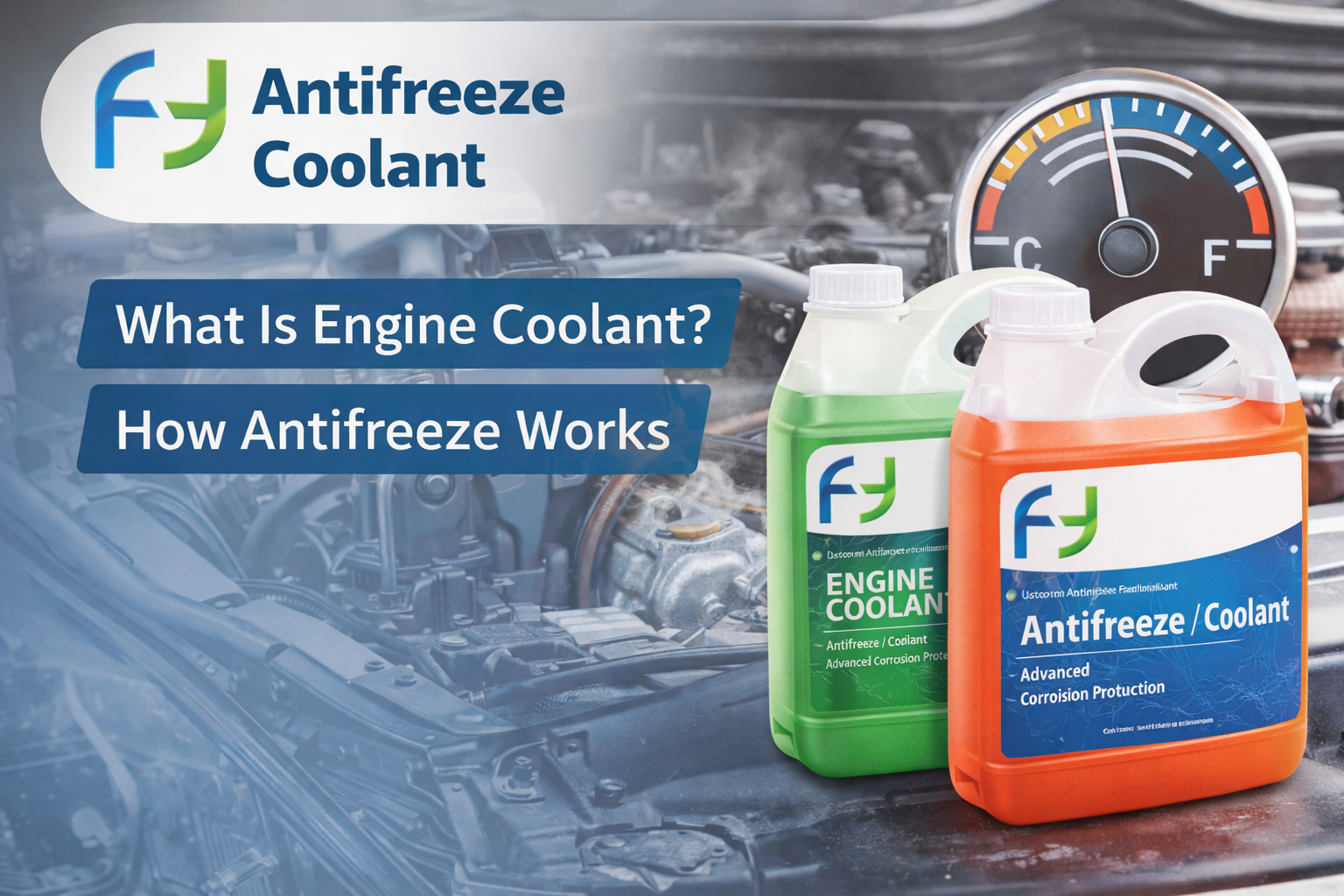
Engine coolant performance depends not only on individual additives but on how they interact over time. This article explains how coolant formulation additives influence corrosion control, heat transfer, and long-term stability in automotive cooling systems.
Corrosion inside automotive cooling systems is driven by electrochemical reactions between metals and coolant chemistry. This article explains how corrosion inhibitor for antifreeze works to stabilize these reactions, reduce material degradation, and maintain long-term cooling efficiency.