
Long Life Coolant Additive Technology: Why Some Coolants Last Twice as Long
Two vehicles. Same engine type. Similar operating conditions. Yet one requires coolant replacement after two years, while the other continues operating reliably beyond five.
At first glance, the difference seems puzzling. The base fluid is often identical—ethylene glycol or propylene glycol. Freezing protection is comparable. Initial performance metrics look nearly the same.
So where does the difference come from?
The answer sits beneath the surface, in the additive system.
Long life coolant additive technology is not about making coolant stronger at the beginning. It is about slowing down how fast performance declines. At FYeco, formulation work focuses on controlling inhibitor depletion, stabilizing chemical interactions, and maintaining protection over extended operating cycles.
The real objective is not peak performance—it is sustained stability.
Why Coolant Lifespan Is Limited by Additive Depletion
Coolant does not “wear out” in the traditional sense. The base fluid remains largely intact. What changes is the additive chemistry.
Corrosion inhibitors gradually react with metal surfaces and dissolved oxygen. Buffering agents neutralize acids formed during oxidation. Over time, these protective components are consumed.
Once depletion reaches a critical point, protection becomes uneven. Corrosion accelerates in localized areas. Deposits begin to form. Heat transfer efficiency declines.
Traditional additive systems often reach this stage sooner than expected. In contrast, long life coolant additive technology is designed to slow depletion and extend functional lifespan.
Technology Pathways: IAT vs OAT vs HOAT
Different additive technologies approach this challenge in different ways.
| Additive Technology | Characteristics | Typical Service Life | Limitations |
|---|---|---|---|
| IAT (Inorganic Additive Technology) | Fast-acting inhibitors (silicates, phosphates) | 1–2 years | Rapid depletion, frequent maintenance |
| OAT (Organic Acid Technology) | Slow-reacting organic inhibitors | 3–5 years | Slower initial protection |
| HOAT (Hybrid Organic Acid Technology) | Combination of organic and inorganic inhibitors | 4–6 years | Requires precise balance |
IAT systems provide immediate protection but degrade quickly. OAT systems last longer but rely on more controlled reaction mechanisms. HOAT attempts to combine both, though achieving balance is not straightforward.
Modern long life coolant additive technology often builds on OAT or hybrid systems, focusing on controlled inhibitor activation rather than rapid consumption.
Performance Comparison: Standard vs Long-Life Additive Systems
| Performance Parameter | Standard Additive System | Long Life Coolant Additive Technology |
|---|---|---|
| Inhibitor depletion rate | Fast | Reduced by ~40–60% |
| Corrosion rate (ASTM equivalent) | 0.10–0.20 mm/year | ≤0.05–0.08 mm/year |
| Heat transfer efficiency retention | 85–90% | 92–96% |
| Service interval | 2–3 years | 5+ years |
| Deposit formation | 15–25% | <8–10% |
| Maintenance frequency | Higher | Reduced by ~30–50% |
These improvements are not achieved through stronger additives alone, but through more controlled chemical behavior.
What Makes Long-Life Additive Systems More Stable
The difference lies in reaction dynamics.
Traditional inhibitors tend to react quickly, forming protective layers early but depleting rapidly. Long-life systems behave differently. They activate more gradually, responding to corrosion conditions rather than reacting immediately.
This slower, more selective interaction reduces unnecessary consumption. It also helps maintain a more stable chemical environment within the coolant.
A well-designed long life coolant additive technology therefore focuses on:
- Controlled inhibitor activation
- Reduced interaction between additive components
- Improved resistance to oxidation and thermal stress
- Stable pH buffering over extended cycles
The result is not just longer life, but more predictable performance.
Application Impact Across Different Vehicle Types
The benefits of long-life additive systems become more apparent under demanding conditions.
Passenger vehicles benefit from reduced maintenance frequency, particularly in urban driving with frequent temperature cycling.
Commercial vehicles and diesel engines operate under sustained load, where additive stability directly affects long-term cooling efficiency.
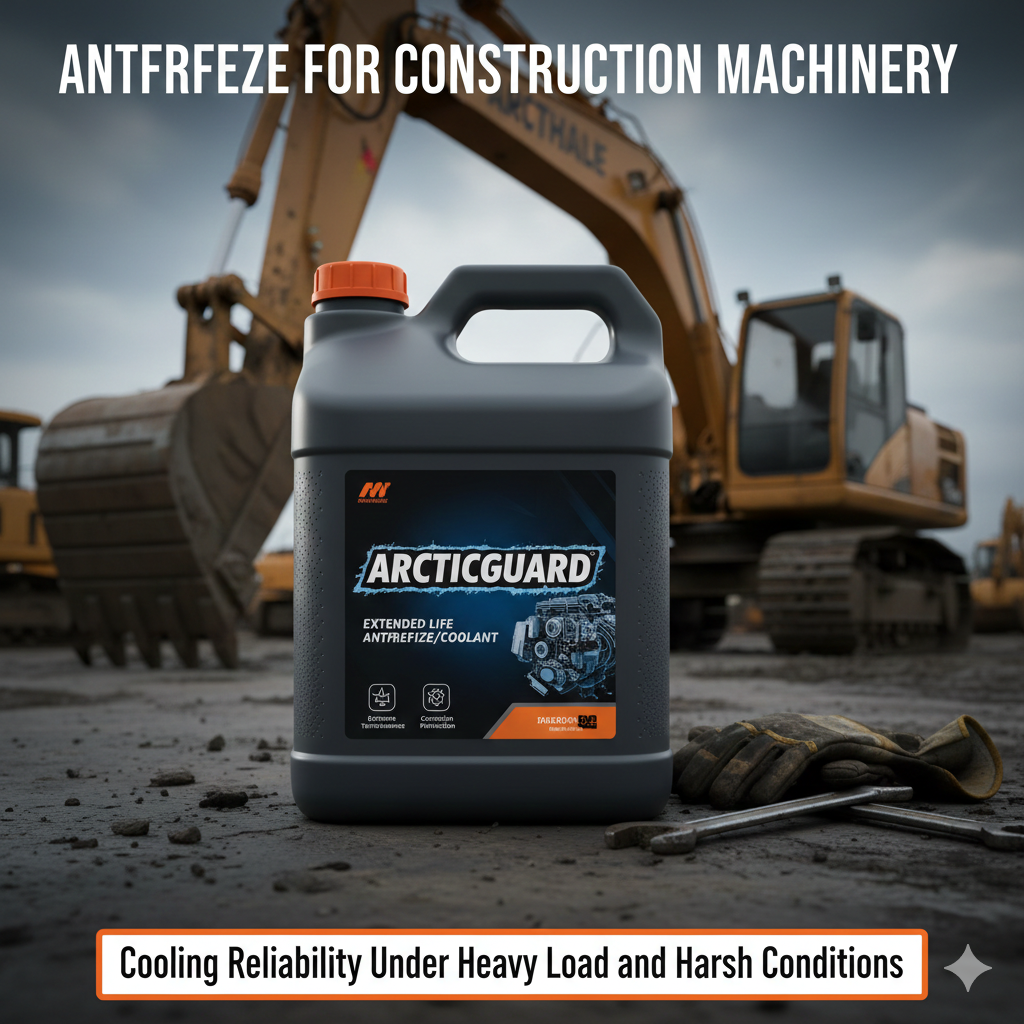
Heavy-duty equipment experiences continuous operation and exposure to contaminants. In such cases, extended additive lifespan reduces downtime and maintenance costs.
Across these applications, long life coolant additive technology helps maintain consistent system behavior even as operating conditions vary.
B2B Considerations: Evaluating Long-Life Coolant Solutions
For coolant manufacturers and fleet operators, extended service life is not just a performance feature—it is a cost and reliability factor.
Fewer coolant replacements reduce labor and downtime. Stable additive systems minimize unexpected failures. Predictable maintenance schedules improve operational planning.
However, achieving these benefits requires more than selecting a “long-life” label. Buyers typically evaluate:
- Additive stability under real operating conditions
- Compatibility with engine materials
- Production consistency across batches
- Technical support for formulation and application
A reliable long life coolant additive technology solution combines chemical design with practical application understanding.
Frequently Asked Questions
Q: Does long-life coolant eliminate the need for maintenance?
No. While service intervals are extended, periodic inspection is still necessary.
Q: Can long-life additives be used in older engines?
In many cases yes, but compatibility should be verified based on engine materials.
Q: Is longer life always better?
Only if stability is maintained. Poorly designed long-life systems may degrade unpredictably.
Extending Coolant Life Means Controlling Chemical Behavior
Coolant longevity is not defined by how strong it is on day one, but by how slowly it changes over time. Additive systems that maintain balance and resist depletion provide a clear advantage in real-world applications.
Explore Long-Life Coolant Solutions
If you're evaluating coolant technologies for extended service intervals, reviewing available formulations can help identify solutions designed for long-term stability. You can explore FYeco’s automotive coolant products here:
https://www.fyecosolution.com/products
Discuss Your Cooling System Requirements
For applications requiring extended coolant life, reduced maintenance cycles, or stable performance under demanding conditions, discussing your requirements with a technical team can help define the right additive strategy. You can contact FYeco here:
https://www.fyecosolution.com/contact-us