
Welcome to Fengying Technology!

Application Areas of FY Pure OAT Long Life Coolant Additive

  • Antifreeze Additive Package Application case
Posted by Fengying On Dec 26 2025

Application Areas of FY Pure OAT Long Life Coolant Additive

FY Pure OAT Long Life Coolant Additive is developed for modern liquid cooling systems that require long service intervals, stable thermal performance, and environmentally responsible formulations. Its organic acid technology (OAT) allows it to perform reliably across a wide range of vehicles and machinery.

Passenger Vehicles

In passenger cars, FY Pure OAT Long Life Coolant Additive helps maintain efficient heat transfer while protecting mixed-metal systems such as aluminum radiators, copper components, and cast iron engine blocks. Its long service life supports extended maintenance intervals.

Commercial Vehicles and Fleets

For commercial vehicles operating under continuous or heavy-duty conditions, this additive provides consistent corrosion protection and cooling system cleanliness, making it suitable for long-distance transport and fleet operations.

Construction and Industrial Machinery

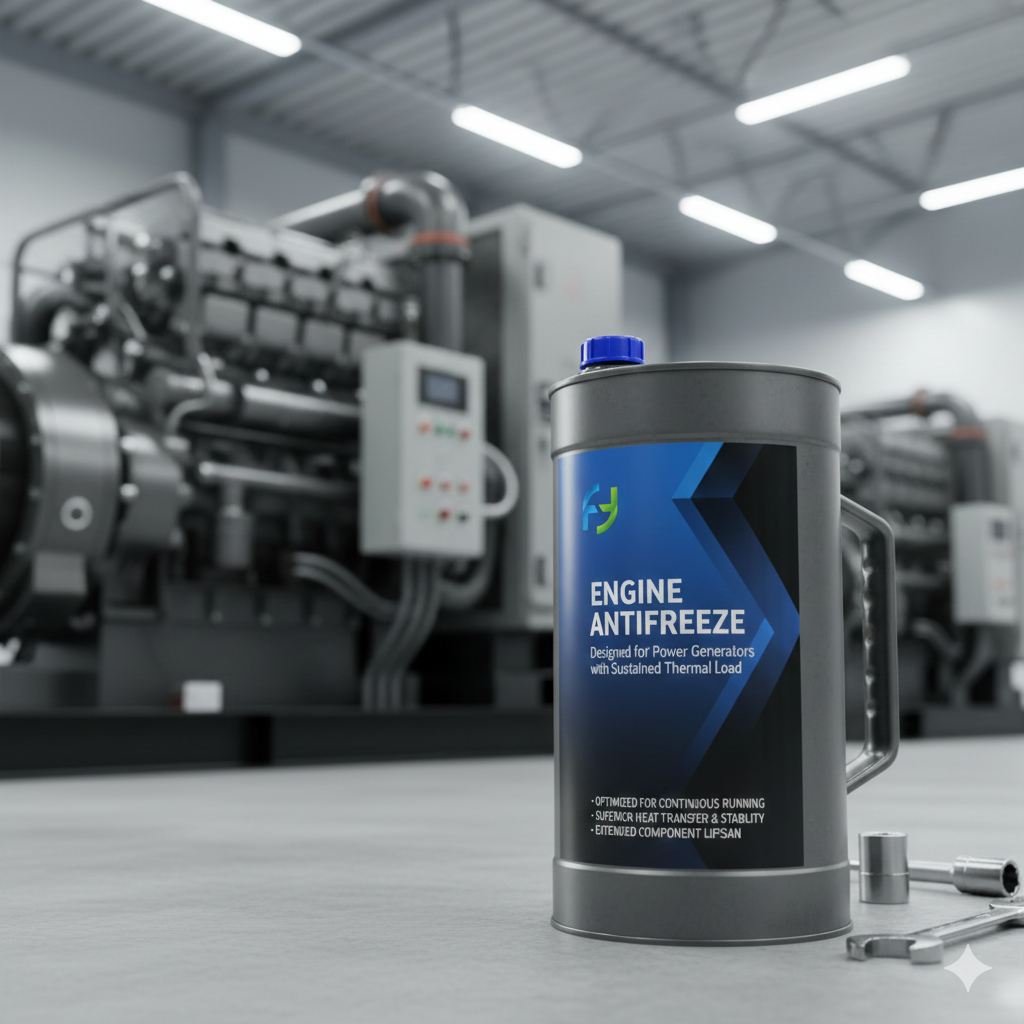
Construction equipment and industrial engines often operate under high thermal loads. FY Pure OAT Long Life Coolant Additive supports stable cooling performance and protects key metal components in demanding environments.

Agricultural Equipment

Modern agricultural machinery requires reliable cooling solutions that perform across variable climates and operating cycles. The organic acid formulation helps reduce corrosion risks while maintaining long-term system stability.

Global Market Applications

FY Pure OAT Long Life Coolant Additive is suitable for coolant formulations supplied to Latin America, Southeast Asia, the Middle East, and other international markets, where durability, compliance, and adaptability are essential.
Featured Blogs
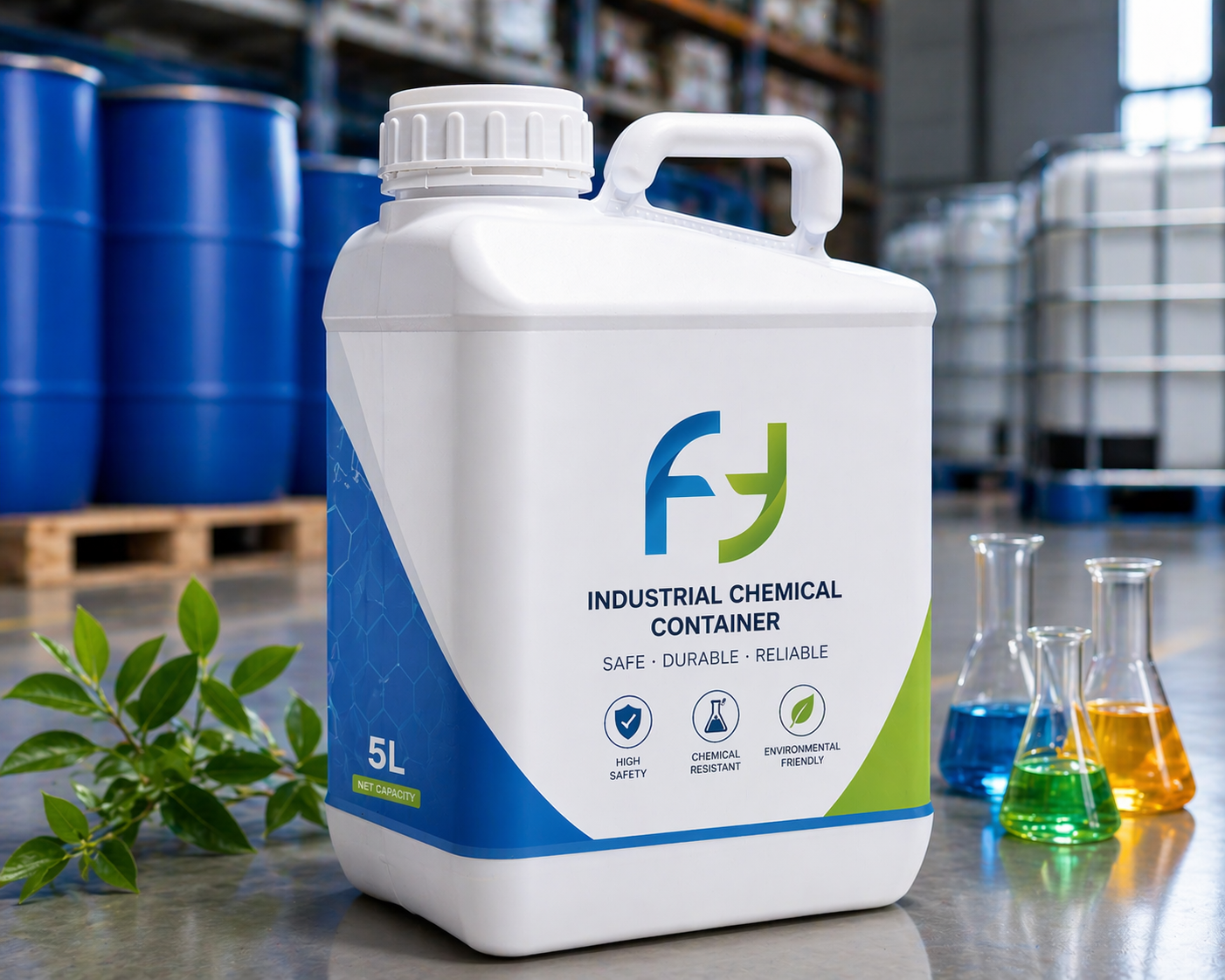
Industrial Chemical Containers: How to Prevent Leakage, Damage, and Compliance Risks in Bulk Liquid Storage

Industrial Chemical Containers: How to Prevent Leakage, Damage, and Compliance Risks in Bulk Liquid Storage

Many businesses face recurring issues with leakage, container deformation, and regulatory failures when handling chemicals. This article explains how industrial chemical containers are designed, compares options, and shows how to choose the right solution for safer, more cost-effective operations.

Antifreeze Additive for Export Market: Adapting Coolant Chemistry to Global Requirements

Antifreeze Additive for Export Market: Adapting Coolant Chemistry to Global Requirements

Exporting antifreeze requires more than standard formulations. This article explains how antifreeze additive for export market must adapt to regulatory compliance, climate conditions, and application requirements to ensure stable performance across different regions.

OEM Antifreeze Additive Solution: Ensuring Consistency from Engine Design to Mass Production

OEM Antifreeze Additive Solution: Ensuring Consistency from Engine Design to Mass Production

OEM engine platforms require coolant systems that remain stable across validation, production, and real-world operation. This article explains how an OEM antifreeze additive solution supports corrosion control, thermal stability, and batch consistency in automotive applications.

Additive Package for Engine Coolant: Controlling Stability Across the Entire Cooling Cycle

Additive Package for Engine Coolant: Controlling Stability Across the Entire Cooling Cycle

Cooling system performance is determined by how additive systems behave over time, not just initial specifications. This article explains how an additive package for engine coolant influences corrosion protection, thermal stability, and long-term reliability.

Corrosion Inhibitor for Antifreeze: Controlling Electrochemical Damage in Engine Cooling Systems

Corrosion Inhibitor for Antifreeze: Controlling Electrochemical Damage in Engine Cooling Systems

Corrosion inside automotive cooling systems is driven by electrochemical reactions between metals and coolant chemistry. This article explains how corrosion inhibitor for antifreeze works to stabilize these reactions, reduce material degradation, and maintain long-term cooling efficiency.

Antifreeze Inhibitor Package: Stabilizing Corrosion Protection in Automotive Cooling Systems

Antifreeze Inhibitor Package: Stabilizing Corrosion Protection in Automotive Cooling Systems

Corrosion inside engine cooling systems is often caused by unstable coolant chemistry rather than mechanical failure. This article explains how an antifreeze inhibitor package helps control corrosion reactions, maintain coolant stability, and extend cooling system lifespan in modern automotive engines.