
Understanding PP Bottles and Their Manufacturing Basics
As a leading PP bottles manufacturer, we specialize in creating high-quality polypropylene containers that meet diverse industrial and consumer needs. Polypropylene (PP) is a versatile thermoplastic known for its durability, chemical resistance, and lightweight properties, making it ideal for everything from food storage to chemical handling. In this guide, we'll walk you through how to select, understand, and even customize PP bottles for your specific applications, ensuring you get the most out of these essential plastic products.
PP bottles are widely used due to their ability to withstand high temperatures and resist corrosion, which sets them apart from other plastic options. Whether you're a business owner looking to source reliable packaging or an individual seeking sturdy storage solutions, grasping the fundamentals of manufacturing of PP bottles is key to making informed decisions.
Step 1: Evaluating Your Needs for PP Plastic Containers
Before diving into production or procurement, assess your requirements for PP plastic containers. Start by determining the intended use—will they hold liquids, powders, or solids? For instance, if you're storing food items, opt for food-grade PP bottles that comply with safety standards like FDA regulations. As a trusted polypropylene bottle supplier, we recommend considering factors such as capacity, shape, and sealing mechanisms to ensure functionality.
Next, think about volume and customization. Custom PP bottles allow for branding, unique sizes, or specialized features like tamper-evident caps. In plastic bottle production, the material's clarity and flexibility make it perfect for squeeze bottles or rigid containers. Measure your storage space and usage frequency to avoid over- or under-sizing, which can lead to inefficiencies.
Finally, evaluate environmental impact. PP is recyclable, so choosing a manufacturer focused on sustainable practices aligns with green initiatives. This step ensures your PP bottles not only serve their purpose but also fit into broader sustainability goals.
Step 2: Selecting a Reliable Polypropylene Bottle Supplier
Choosing the right polypropylene bottle supplier is crucial for quality and consistency. Look for suppliers with certifications like ISO 9001 to guarantee adherence to manufacturing standards. A good supplier will offer a range of options, from standard PP bottles to bespoke designs, and provide transparent lead times and pricing.
In the world of industrial PP bottle manufacturing, experience matters. Suppliers who use advanced injection molding or blow molding techniques produce bottles with uniform thickness and strength, reducing the risk of leaks or breakage. Request samples to test durability—fill them with your products and subject them to stress tests like dropping or exposure to heat.
Don't overlook logistics. A supplier with efficient shipping and inventory management can minimize downtime for your operations. As experts in this field, we emphasize building long-term partnerships that evolve with your needs, offering insights on trends like eco-friendly additives in PP formulations.
Step 3: The Process of Manufacturing of PP Bottles
Understanding the manufacturing of PP bottles empowers you to appreciate the craftsmanship involved. The process begins with raw material selection: high-purity polypropylene resin is melted and injected into precision molds for the bottle body. For threaded necks or handles, secondary operations like extrusion or welding are employed.
Blow molding is a common method for hollow PP bottles, where air is blown into the heated plastic to form the shape, ensuring seamless walls. Quality control checkpoints throughout plastic bottle production include thickness gauging, leak testing, and visual inspections to catch defects early.
Post-production, bottles may undergo treatments like UV stabilization for outdoor use or labeling integration. As a PP bottles manufacturer, we streamline this to reduce waste and energy use, delivering products that last. Familiarizing yourself with these steps helps in negotiating better with suppliers and troubleshooting issues.
Step 4: Customizing Your PP Bottles for Optimal Performance
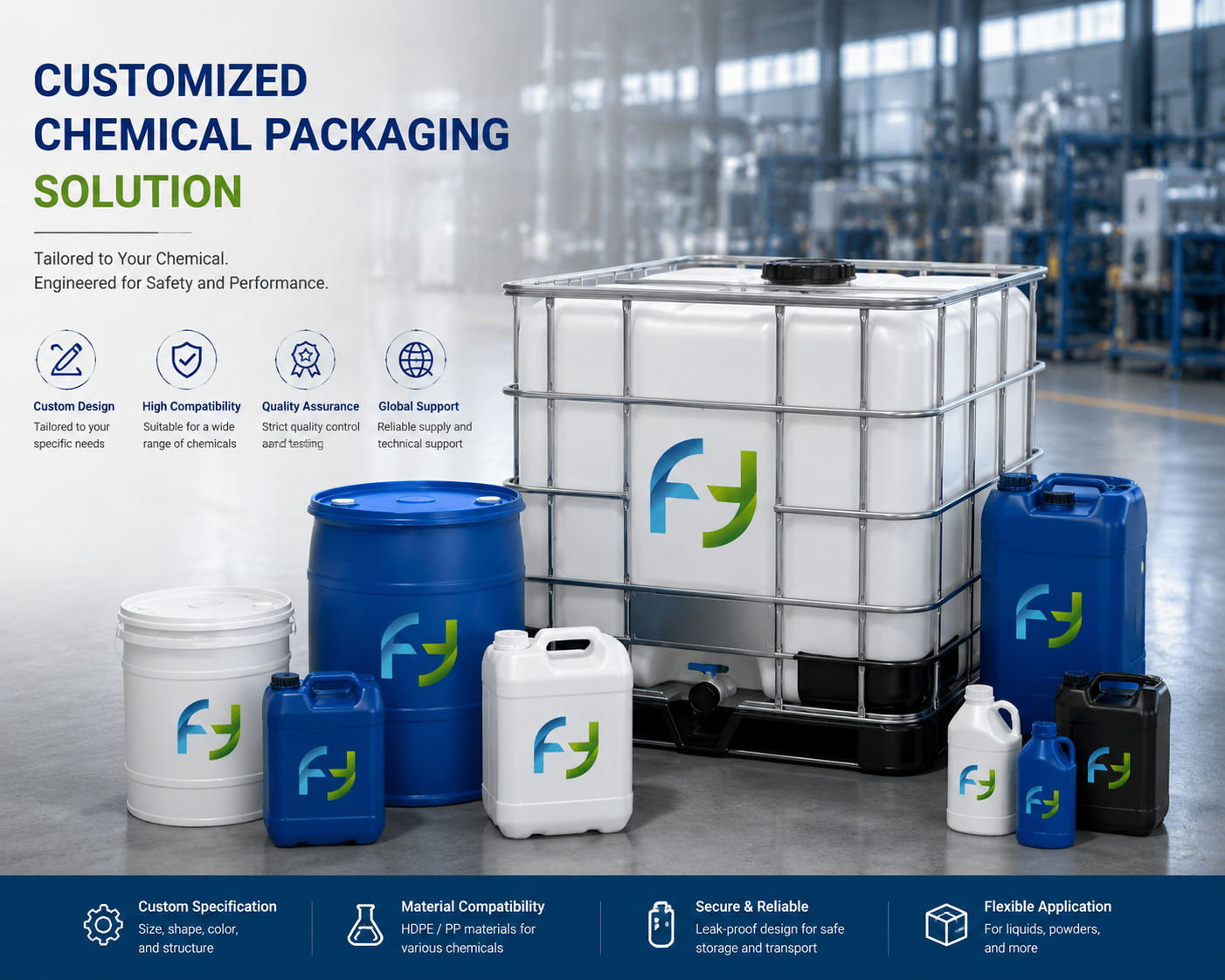
Customization elevates standard PP bottles into tailored solutions. Start by collaborating with your manufacturer on design specs—specify colors, additives for clarity, or ergonomic features like easy-grip textures. Custom PP bottles can include integrated seals or measurement markings, ideal for pharmaceuticals or cosmetics.
In industrial PP bottle manufacturing, scalability is key. For small runs, rapid prototyping tools allow quick iterations without high costs. Test prototypes in real-world scenarios to refine details, such as lid torque for secure closure.
Consider multi-functional designs, like stackable PP plastic containers for efficient shipping. This not only enhances usability but also reduces your carbon footprint. By guiding the customization process, you ensure the final product aligns perfectly with your operational workflow.
Step 5: Integrating PP Bottles into Your Operations
Once acquired, integrate PP bottles seamlessly into your setup. For storage, organize them on shelves with labels for quick access, maximizing space in warehouses or kitchens. In production lines, PP bottles' compatibility with automated filling machines boosts efficiency.
Maintenance is straightforward—clean with mild detergents to preserve integrity, avoiding abrasives that could scratch surfaces. Monitor for wear over time, replacing as needed to prevent contamination.
As a polypropylene bottle supplier, we advise tracking performance metrics like usage lifespan to optimize future orders. This ongoing evaluation turns PP bottles from mere containers into strategic assets, supporting cost savings and productivity gains.
Advanced Tips for Industrial PP Bottle Manufacturing
For larger-scale needs, delve into advanced aspects of industrial PP bottle manufacturing. Explore automation in plastic bottle production, such as robotic assembly lines, which enhance precision and output. Partnering with a manufacturer offering R&D support can lead to innovations like antimicrobial coatings for hygiene-sensitive industries.
Sustainability in manufacturing is evolving—seek suppliers using recycled PP content without compromising quality. This reduces environmental impact while appealing to eco-conscious customers.
Budgeting wisely involves balancing upfront costs with long-term benefits. High-quality PP bottles may cost more initially but save on replacements and waste. Regularly review supplier performance to refine your sourcing strategy.
In summary, becoming proficient in working with a PP bottles manufacturer involves careful planning from needs assessment to integration. By following these how-to steps, you'll leverage the versatility of PP plastic containers effectively, ensuring reliability and efficiency in all your applications. With the right partner, your packaging solutions will stand the test of time, driving success in your endeavors.